


Why Brands Benefit From Hiring a Social Media Video Production Company
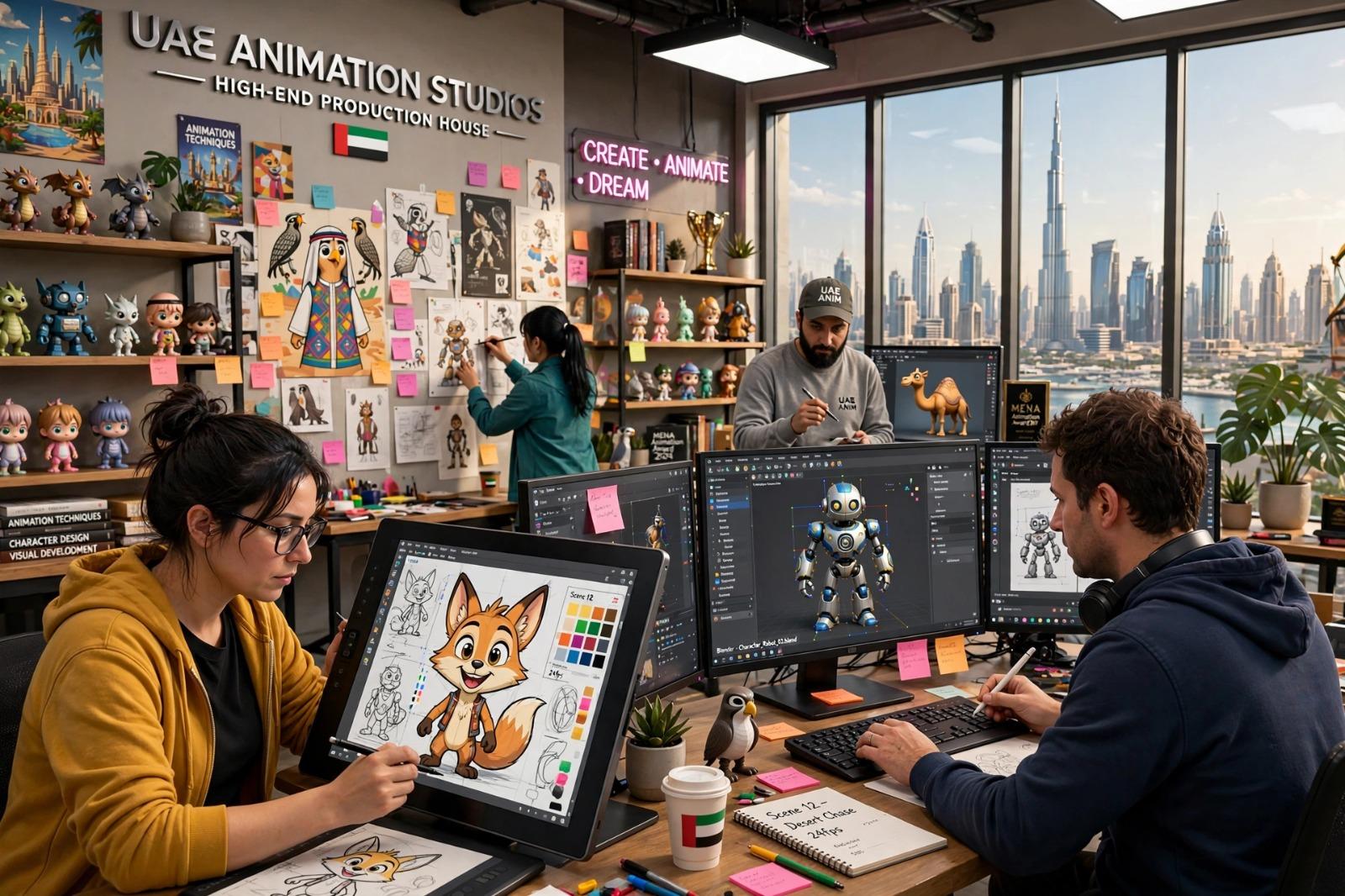
Organic reach on most platforms has flattened, which means the videos that still perform are the ones built specifically for how people scroll, not repurposed TV ads squeezed into a square frame. That's the exact gap a social media video production company is built to close: content designed from the first storyboard frame for feed behaviour, sound-off viewing, and the first three seconds doing the work of a headline.
What a Social Media Video Production Company Actually Optimises For
Traditional video production plans for a single, polished final cut. Social content planning works differently, because the same core story often needs to exist in five formats: a 9:16 Reel, a 1:1 feed post, a 16:9 YouTube pre-roll, and a few trimmed variants for testing. A social media video production builds this multi-format thinking into pre-production, not as an afterthought during editing.
That shows up in practical decisions: framing shots with enough headroom to crop for vertical formats, writing captions that work with sound off since a large share of feed views happen muted, and structuring the first three seconds around a visual hook rather than a slow logo reveal. Studios that still shoot everything horizontally and crop later tend to produce content that looks noticeably weaker on mobile, where most of this content actually gets watched.
Where an Animation Studio Dubai Fits Into Social Strategy
Not every social clip needs a camera. Motion graphics, kinetic typography, and short animated explainers consistently perform well for brands explaining a product feature, a statistic, or a process that's hard to film clearly. This is where working with an animation studio Dubai brands already trust for other projects makes sense, since the same visual language can extend from a website explainer to a 15-second social cut without feeling like two different projects.
Character-driven or illustrated animation also tends to have a longer shelf life than live-action trend content, which ages quickly once a specific format or audio trend falls out of favour. Brands that pair a small amount of evergreen animated content with faster-turnaround live-action clips usually get more consistent long-term value from their content budget than those relying purely on trend-chasing.
Building a Realistic Content Cadence
Posting daily sounds ambitious but usually collapses within a few months if the production pipeline can't sustain it. A more realistic model most agencies recommend:
-
One flagship shoot day per month producing raw footage for eight to twelve short clips
-
A rolling edit schedule releasing two to three finished pieces per week
-
Occasional animated or motion graphics pieces filling gaps between shoot days
-
A monthly review of which formats and hooks actually performed, adjusting the next batch accordingly
This cadence keeps production costs predictable while still giving the algorithm enough consistent activity to reward the account with reach. Sporadic posting, even of high-quality individual pieces, tends to underperform a steady, lower-effort cadence.
Measuring Whether It's Actually Working
Views and likes are the least useful metrics for judging whether social video spend is paying off. Watch-through rate, particularly how many viewers make it past the first three seconds, tells you whether the hook is working. Saves and shares indicate the content is genuinely useful or entertaining enough to pass along, which correlates far more closely with business impact than raw view count.
A capable studio should be reviewing these numbers with you monthly, not just delivering files and moving to the next project. If a partner can't speak to which of their past clips actually drove engagement versus which ones just looked good, that's a sign their process stops at delivery rather than extending into performance.
It also helps to agree on a small set of benchmark numbers before the first batch of content goes live, rather than judging performance against vague expectations after the fact. Even a rough target, for example, aiming for a specific average watch-through percentage or a minimum number of saves per post, gives both sides a concrete way to evaluate whether a format is working or needs to be dropped.
Conclusion
A social media video productions company earns its keep by building multi-format thinking, a realistic posting cadence, and actual performance review into the process, not just by shooting nice-looking clips. Pairing that with an animation studio Dubai team for evergreen explainer content tends to give brands a more durable content library than relying purely on fast-turnaround trend pieces. Before committing a budget, ask any prospective partner how they measure success beyond views, and whether they'll review performance with you on a regular basis. If your current content feels inconsistent or your team is stretched too thin to keep up a steady cadence, it might be worth a short conversation about what a more sustainable pipeline could look like.
FAQs
1. How is social video production different from traditional corporate video?
Social content is planned for multiple formats and platforms from the start, with attention to vertical framing, sound-off viewing, and fast hooks, whereas traditional video usually targets a single polished final cut.
2. How often should a brand realistically post video content?
Two to three finished pieces per week, supported by one larger monthly shoot day, is a more sustainable pace than daily posting for most teams without a dedicated in-house content function.
3. Is animated content worth the investment compared to live-action clips?
Animated and motion graphics content tends to have a longer shelf life since it doesn't rely on trending audio or formats, making it a useful complement to faster, trend-driven live-action clips.
4. What metrics actually indicate social video is working?
Watch-through rate, saves, and shares are more reliable indicators of performance than raw view counts, since they reflect genuine engagement rather than passive scrolling past a clip.
5. Should the same team handle both animation and live-action social content?
Using one team for both keeps visual branding consistent across formats and simplifies coordination, though it's worth confirming the studio has real depth in both areas rather than treating one as an afterthought.

 English
 French
 Spanish
 Portuguese
 Deutsch
 Turkish
 Dutch
Dutch
 Italiano
 Russian
 Romaian
 Portuguese (Brazil)
 Greek
Greek