


Professional Care for a Better Life at Rehab Centre
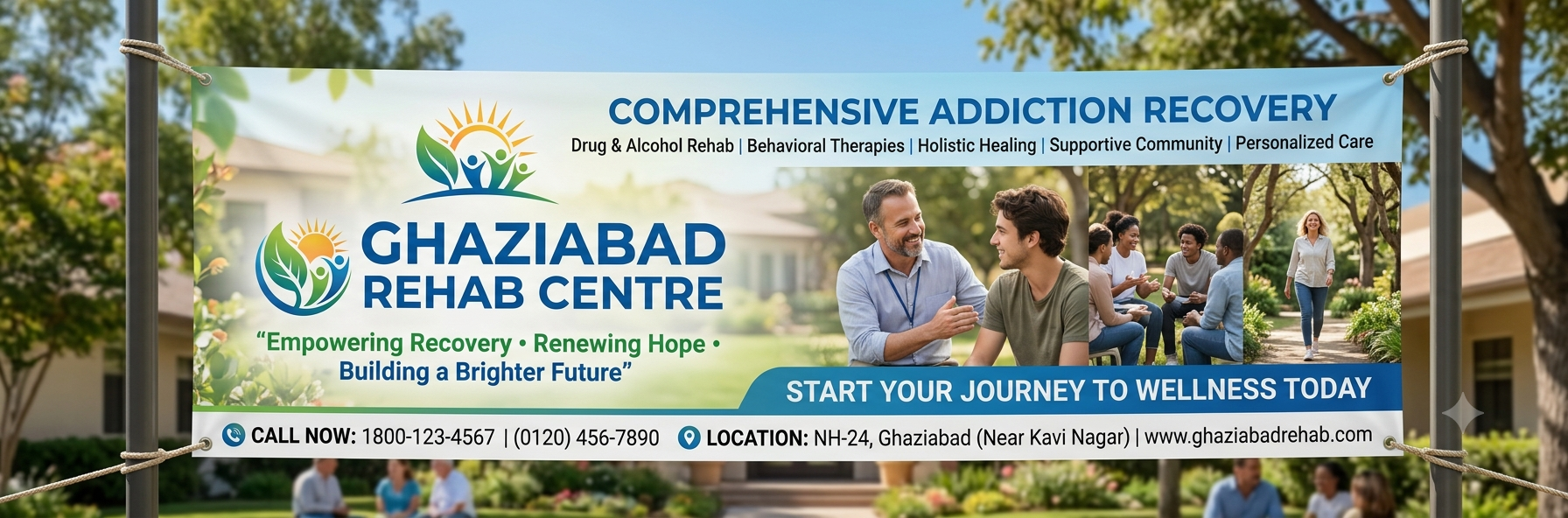
Somewhere between the first warning signs and the point where a family finally decides to seek help, a lot of damage tends to happen — trust erodes, health declines, and the person struggling with addiction often feels further from "normal" than they've ever been. Professional care exists to reverse exactly that. At Jeewan Disha Foundation, one of the established names offering a Nasha Mukti Kendra in Ghaziabad, that reversal is the entire point of the programme.
We've seen what happens when treatment is rushed or generic — patients get through detox, feel better for a while, and relapse within months because nothing underneath the addiction was actually resolved. Professional care means slowing down enough to treat the whole picture, not just the visible symptom.
Understanding the Patient Before Treating Them
Every patient who comes to us goes through a proper clinical evaluation first — not a formality, but a real assessment of their substance history, physical condition, mental health, and home environment. This groundwork decides how the rest of the de-addiction treatment programme is shaped, right down to how fast or slow detox should move and what kind of therapy will genuinely help.
It would be faster to put every patient through the same fixed schedule. It also wouldn't work nearly as well, which is why we don't do it that way.
Detox Handled the Way It Should Be
Physical withdrawal is the part of recovery where medical risk is highest, particularly for alcohol and opioid dependency. Complications like seizures or severe dehydration are genuine possibilities without proper supervision. Our substance abuse treatment process keeps patients under round-the-clock medical care during this phase, with physicians monitoring and adjusting treatment as needed.
A few things we don't compromise on during detox:
-
Continuous medical supervision, day and night
-
Symptom-based withdrawal management rather than a fixed protocol
-
Quick medical response if complications develop
-
Enough time for the body to actually stabilise before moving forward
Where the Real Work Begins — After Detox
Detox handles physical dependency, but it rarely addresses why the addiction started in the first place. That usually lies somewhere else — unresolved trauma, chronic anxiety, family conflict, or depression that was never properly treated. This is where individual therapy and, where required, psychiatric counselling, take over.
For patients whose addiction runs alongside a diagnosed mental health condition, we provide combined dual-diagnosis treatment instead of addressing one issue while ignoring the other. Treating them separately rarely produces results that last.
Rebuilding the Structure Addiction Took Away
Addiction has a way of quietly dismantling everyday structure — sleep patterns break down, responsibilities get abandoned, and accountability disappears almost without anyone noticing. Part of professional care is simply putting that structure back — a predictable daily routine built around therapy, physical activity, and rest, which gives patients something stable to hold onto while everything else is being rebuilt.
Keeping Families Part of the Process
Recovery affects the whole household, not just the patient, so families stay involved throughout treatment rather than being kept at a distance. Regular updates and structured family counselling sessions help repair the trust that addiction usually damages on both sides. The process also stays transparent from start to finish — clear costs, honest timelines, and no unexpected charges partway through treatment.
Life Doesn't Stop at Discharge — Neither Should the Support
A completed programme isn't the finish line; it's the point where the harder, longer part of recovery actually begins. Many relapses happen in the weeks after leaving a centre, once familiar triggers and old environments come back into the picture. That's why aftercare support continues well past discharge, including:
-
Scheduled follow-up sessions to track progress
-
Relapse-prevention strategies specific to the patient's triggers
-
Ongoing access to counselling whenever it's needed
-
Continued communication with family throughout the recovery journey
A Centre Ghaziabad Families Rely On
Professional care isn't measured by how quickly a patient completes a programme — it's measured by whether they're still doing well months later. Medically supervised detox, therapy that gets to the actual cause of addiction, integrated mental health support, and long-term aftercare are what make the difference, and it's why our Nasha Mukti Kendra in Ghaziabad continues to be the centre families trust when someone they love needs real, lasting change.
If addiction has taken hold of someone in your family, the path forward starts with treating the person, not just the habit — and that's where professional care makes all the difference.

 English
 Arabic
 French
 Spanish
 Portuguese
 Deutsch
 Turkish
 Dutch
Dutch
 Italiano
 Russian
 Portuguese (Brazil)
 Greek
Greek