


Which toilet is best for off-grid tiny homes?
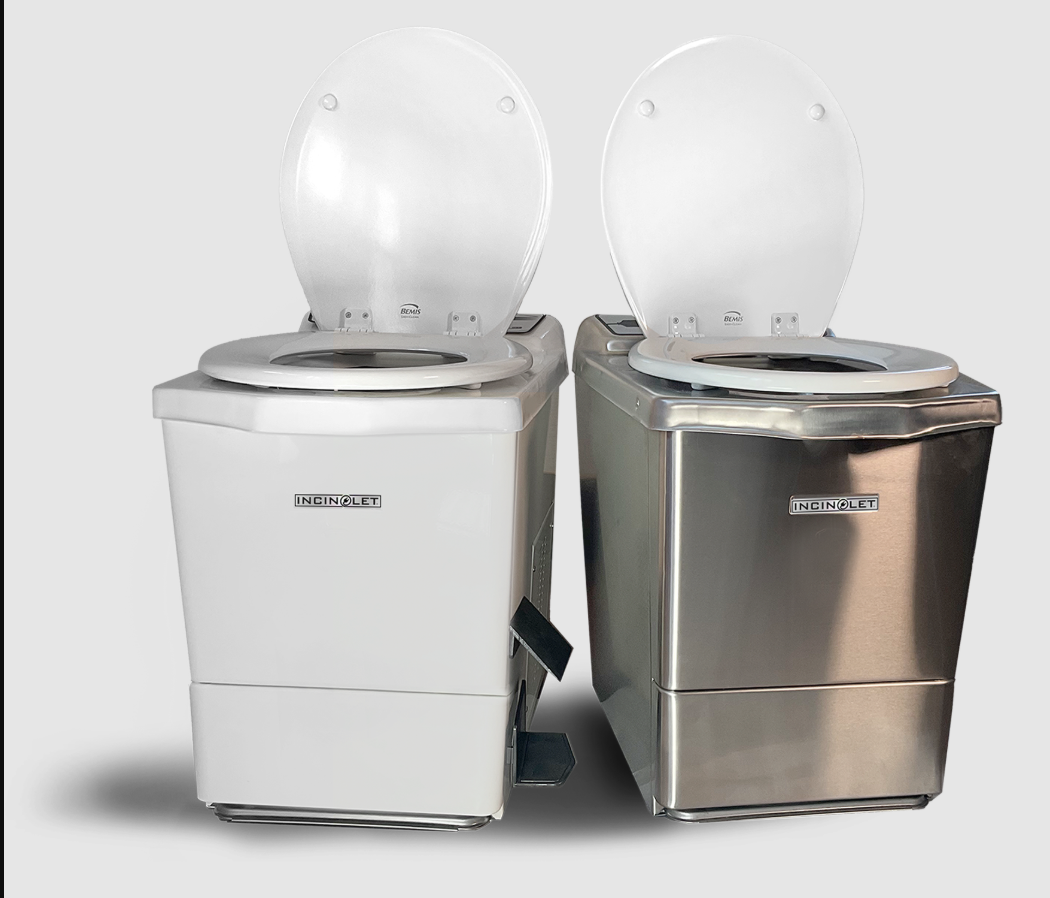
Choosing a toilet for an off-grid tiny home requires more consideration than simply selecting a conventional bathroom fixture. Limited space, water availability, electricity, plumbing access, and local sanitation rules can all influence the right option. For many tiny-home owners, reducing dependence on complex plumbing is an important part of creating a practical and comfortable living space.
So, which toilet is best for off-grid tiny homes? An electric incinerating toilet can be a suitable option for a tiny home that has an adequate electrical supply. Incinolet is one example of this type of sanitation system, using electric heat to process toilet waste rather than relying on water-based flushing.
Why Consider an Incinerating Toilet?
Traditional flush toilets require water and a suitable wastewater-management system. In an off-grid tiny home, installing a septic system or connecting to a sewer line may require considerable planning and space.
An Incinolet works differently. Waste is collected inside the toilet and processed through a controlled heating cycle. Once the cycle is complete and the unit has cooled according to the manufacturer's instructions, a small amount of dry ash remains.
This water-free approach can be particularly useful for tiny homes that rely on wells, tanks, or limited water supplies.
What Does the Installation Require?
Although an incinerating toilet reduces the need for conventional toilet plumbing, it still requires an appropriate electrical connection and ventilation system. An off-grid property may need a properly designed solar-and-battery system or generator.
Homeowners should check the specific model's electrical requirements before planning their power system. Ventilation must also be installed according to the manufacturer's specifications.
Local building, electrical, and sanitation regulations should be reviewed before installation.
Is It Environmentally Friendly?
One potential benefit of Incinolet is reduced water consumption because no water is needed for flushing. This can be valuable in areas where freshwater is limited.
However, electric incineration requires energy, so the environmental impact depends partly on the source of electricity. Using renewable energy may complement an environmentally conscious off-grid setup.
Responsible ash disposal, regular maintenance, and proper ventilation are also important for safe operation.
Future of Tiny-Home Sanitation
As interest in tiny homes, remote cabins, and sustainable housing grows, alternative sanitation systems may become more common. Advances in solar panels, battery storage, and energy efficiency could make electric toilets increasingly practical for properties without grid access.
Final Thoughts
For an off-grid tiny home with suitable electricity, Incinolet can be a practical water-free toilet option. Its reduced dependence on conventional plumbing may simplify sanitation in remote locations while helping conserve water. Before choosing one, homeowners should evaluate power availability, ventilation, maintenance requirements, local regulations, and their property's overall wastewater-management needs.

 English
 Arabic
 French
 Spanish
 Portuguese
 Deutsch
 Turkish
 Dutch
Dutch
 Italiano
 Russian
 Portuguese (Brazil)
 Greek
Greek