


DIY vs Pro Car Polishing: Honest Breakdown
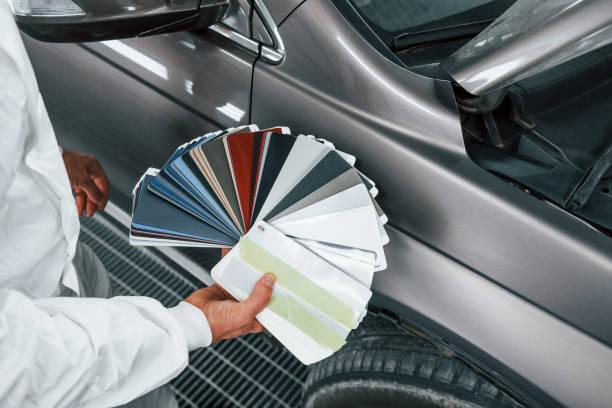
Your car's paint looks dull. Maybe you're seeing swirl marks under direct sunlight, or the hood has that chalky oxidized look that won't wipe off. So you start wondering, can I just fix this myself with a kit from the auto parts store? Maybe. But the honest answer is that it depends on a lot more than most YouTube tutorials let on. Before you spend a Saturday and a chunk of money finding out the hard way, here's a real comparison of what the DIY route actually costs you, what a professional brings to the table, and how to figure out which one fits your situation. If you're in Southern California and the damage is already moderate to severe, looking into Car Paint Restoration in Oceanside CA before picking up a random buffer might save you a lot of regret.
What the DIY Route Actually Requires
People underestimate this part. A basic hand-applied polish and a microfiber cloth can handle very light surface haze, but anything beyond that needs a dual-action polisher or a rotary machine, the right set of foam or wool pads, a cutting compound matched to your paint hardness, and some working knowledge of how much pressure and speed to use. That's not nothing. Get the speed wrong and you can burn right through the clear coat, especially on edges and body lines where paint sits thinner.
The learning curve is real. Most first-timers either go too light and see zero correction, or they get aggressive and leave buffer trails that are worse than the original swirl marks. You also need to work in a shaded area with clean paint, ideally after a clay bar treatment. So before you even touch the machine, you've already got a process going. Worth knowing upfront.
Good entry-level gear, a dual-action polisher, a handful of pads, a compound, a finishing polish, and some prep supplies, runs somewhere between $150 and $300 if you're buying decent quality stuff. Cheap kits exist, but they tend to produce cheap results.
Where DIY Polishing Works and Where It Doesn't
Honestly, DIY polishing can work well in a pretty specific window. Light swirl marks from automatic car washes, mild water spot etching, and surface-level haze on relatively new paint respond well to a hobbyist setup when the person using it takes their time. That's the sweet spot. Step outside it and things get complicated fast.
Deep scratches that catch your fingernail won't buff out, full stop. Oxidation that's gone past the surface layer needs more than a consumer-grade compound. Uneven correction is another common problem, where one panel ends up looking noticeably different from the one next to it because the paint hardness varies by manufacturer and even by color. Darker colors show every imperfection, so a slightly uneven correction on a black or dark blue car looks patchy in sunlight.
Color-matching challenges are also beyond what a hobbyist setup can fix. If the paint has faded unevenly across panels, no amount of polishing corrects the actual color difference. That's a respray situation, not a polish situation. Knowing where that line is matters before you start.
What a Professional Actually Brings
It's not just better machines, though that's part of it. A trained detailer reads the paint first. They'll check paint thickness with a gauge, identify what stage of correction is actually needed, and choose the right pad and compound combination for that specific surface. That assessment step alone prevents a lot of mistakes that DIYers skip entirely.
Professional rotary machines and high-end dual-action units operate at a level of consistency that consumer equipment doesn't match. More importantly, the person running them has done it hundreds of times. They know how to work edges without burning through. They know when to step down to a lighter compound and when the paint won't tolerate another pass. That kind of machine control comes from repetition, not from reading the instructions on the bottle.
Multi-stage correction systems, a paint decontamination step, then a heavy cut, then a medium polish, then a finishing stage, produce a depth of gloss that a one-step consumer kit simply can't replicate. Shak's Shine Auto Spa is one example of a shop in the area that runs this kind of full-stage process rather than a single-pass approach. The difference shows, especially on dark paint under direct light.
The Real Cost Comparison
Let's be straight about the numbers. A solid DIY setup costs $150 to $300 upfront. Your time runs four to eight hours for a full car, depending on condition and your experience level. And if something goes wrong, you might be looking at a professional correction job anyway to fix the damage you caused, which adds to the total. That's a real risk, not a hypothetical one.
Professional Auto Paint Restoration in Oceanside CA typically runs anywhere from $200 on the low end for a light one-step polish to $600 or more for a full multi-stage paint correction on a larger vehicle in rough shape. The price includes the assessment, the prep work, the correction itself, and usually a finishing protection layer like a sealant or wax. You're paying for the outcome, not just the labor time.
For someone who plans to polish their own car regularly, the DIY investment makes sense over time. For someone doing it once on a car they care about, the math often tips toward a professional, especially when you factor in the risk of re-work costs. Auto Paint Restoration in Oceanside CA done right the first time usually ends up cheaper than DIY gone wrong plus a correction visit.
Paint correction is a more technical process than most people realize. If you want to understand what professional-grade paint correction actually involves at a technical level, the Wikipedia article on polishing covers the material science behind abrasive compounds and surface finishing in useful detail.
How to Decide Which Route Is Right for You
Start with the severity of your paint's condition. Light swirls and haze on a car with decent clear coat left, that's a reasonable DIY project if you're willing to learn and go slow. Moderate oxidation, deeper scratches, or paint that's already thin from previous work, that's where you want a professional eye before you risk more damage.
Think about the vehicle's value. A daily driver with 120,000 miles that you're running into the ground is a different calculation than a weekend car or a vehicle you plan to sell. The higher the value, the less sense it makes to risk an amateur correction on the finish.
Also be honest about your time. A proper DIY job isn't a two-hour Saturday project. It's a full day, maybe more. If you don't have that kind of free time, or if you'd rather spend it differently, hiring out is the practical choice. Nothing wrong with that.
Frequently Asked Questions
Can I remove swirl marks myself without a machine polisher?
Hand polishing can reduce the look of very fine swirls on soft paint, but you won't get true correction without a machine. The friction and consistency a dual-action polisher provides just can't be replicated by hand. For anything more than the lightest surface marks, a machine is pretty much necessary.
How do I know if my clear coat is too thin to polish safely?
A paint thickness gauge tells you exactly where you stand. Most cars come from the factory with clear coat between 50 and 100 microns thick. Each polishing session removes a small amount. If you don't have a gauge, a professional can check before starting, which is one reason it's worth at least getting an assessment before you DIY on older paint.
What's the difference between polishing and waxing?
Polishing is a correction process. It uses mild abrasives to remove a thin layer of damaged clear coat and expose fresh paint underneath. Waxing is protection. It adds a layer on top of the existing surface but doesn't fix anything underneath. You polish first, then wax. Doing it the other way around is a pretty common mistake.
How long does a professional paint correction typically last?
The correction itself is permanent in the sense that the scratches and swirls that were removed are gone. But new swirls can form again from improper washing or environmental exposure. How long the finish stays clean depends almost entirely on how you maintain it afterward. A ceramic coating applied after correction can protect the surface for several years.
Is Car Paint Restoration in Oceanside CA worth it for an older vehicle?
It depends on what you want out of it. If the car still runs well and you plan to keep it, restoring the paint can make a real difference in how you feel about driving it, and it does slow down further oxidation. If you're selling soon, a good correction often returns more than it costs in perceived value. Older doesn't automatically mean not worth it.

 English
 Arabic
 French
 Spanish
 Portuguese
 Deutsch
 Turkish
 Dutch
Dutch
 Italiano
 Russian
 Romaian
 Greek
Greek