


Next-Gen CNC Machining: How Advanced Automation is Driving Manufacturing Efficiency
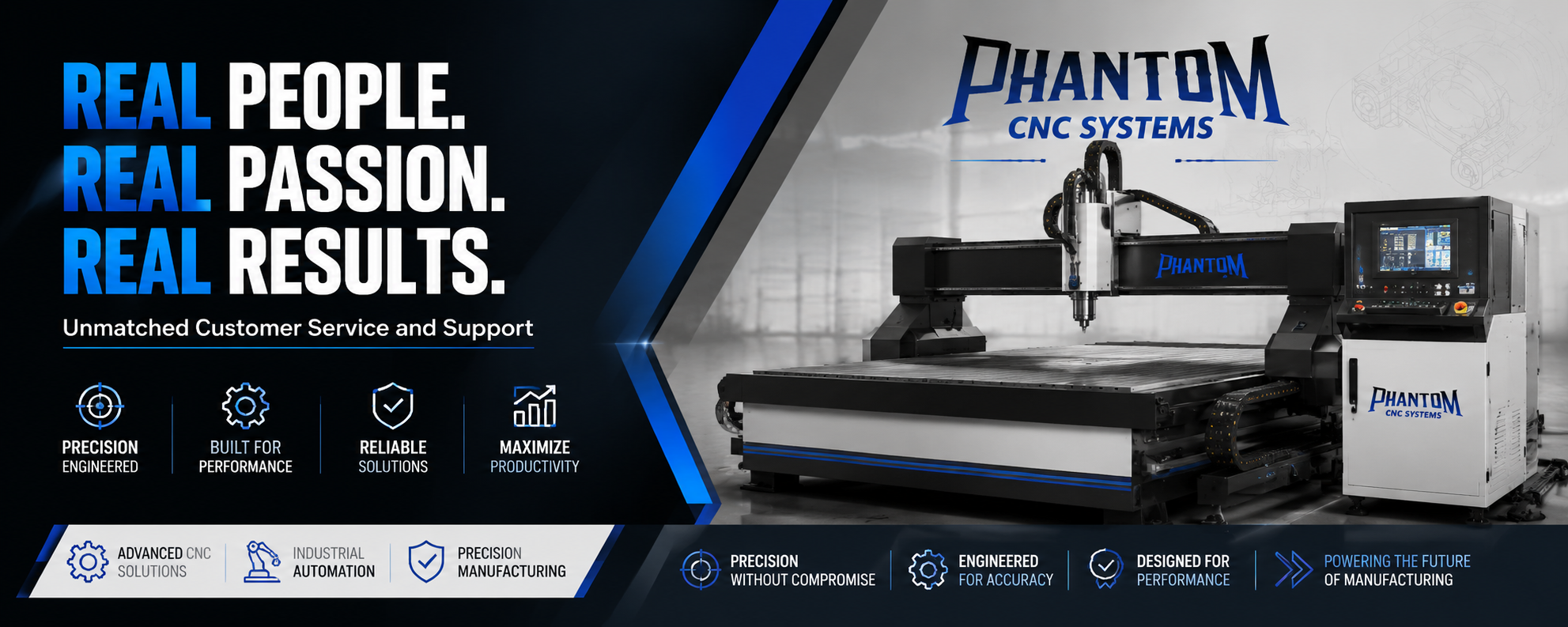
Modern shop floors face a constant set of challenges. Tight deadlines, skilled labor shortages, and rising raw material costs press on profit margins every day. Machine shop owners and production managers quickly realize that standard machining approaches reach a ceiling. Pushing operators faster or running machinery around the clock without structural updates often leads to burnout, tool breakage, or costly downtime.
Solving these bottlenecks requires a fundamental shift in how shop floors handle raw materials, tooling, and cycle times. Advanced CNC automation bridges this gap by turning standalone equipment into fully integrated production hubs. Upgrading to a modern platform such as a Phantom CNC Systems machine enables shops to streamline material handling, cut setup friction, and unlock reliable lights-out operation.
The Shift Toward Next-Gen CNC Automation
Traditional machining relies heavily on manual intervention at nearly every step. Operators load stock, set work offsets, swap tools, inspect finished parts, and sweep chips. While skilled machinists excel at these tasks, manual steps introduce natural variance and idle machine time.
Automation transforms this dynamic by shifting repetitive physical work away from human operators. Modern CNC setups combine precise mechanical engineering with intelligent control systems. This combination handles routine tasks automatically, allowing your skilled team to focus on programming, quality assurance, and complex job setups.
Real-World Benefits for Modern Machine Shops
Transitioning to automated CNC operations delivers tangible gains across every shift:
-
Higher Spindle Utilization: Automated loading systems keep spindles spinning instead of idling during manual part swaps.
-
Consistent Part Precision: Automated material positioning eliminates human mounting errors and reduces rework.
-
Lower Production Costs: Running unattended cycles lowers labor overhead per finished part.
-
Improved Shop Safety: Automated loading and chip evacuation reduce physical strain and limit direct contact with hazardous cutting zones.
Core Technologies Driving Machining Efficiency
Next-gen CNC machining relies on several key technologies working in sync. Understanding these components helps shop managers choose the right upgrades for their operational goals.
1. Smart Tooling and Automatic Tool Changers (ATC)
Manual tool changes cause significant production delays, especially on complex multi-operation parts. High-capacity Automatic Tool Changers paired with modern tool presetters allow machines to switch cutters in seconds. Tool life management software tracks wear automatically, replacing dull bits before they break or ruin a workpiece.
2. Integrated Workholding and Vacuum Tables
Workholding speed directly impacts total throughput. Advanced CNC equipment uses zoned vacuum tables, pneumatic clamps, and zero-point clamping setups. These systems secure sheet goods, non-ferrous metals, or composite parts almost instantly without complex manual clamping fixtures.
3. Automated Material Loading and Unloading
Loading heavy plywood, aluminum, or composite sheets by hand slows down output and risks operator injury. Modern automated CNC systems use vacuum lifts and integrated push-off tables to feed raw material automatically while sweeping finished parts onto unloader tables.
Unlocking Lights-Out Manufacturing
Lights-out manufacturing refers to running machinery unattended during off-hours, night shifts, or weekends. While the concept sounds futuristic, modern machine shops implement it daily with the right setup.
       [ CAD / CAM Design ]
                │
                ▼
  [ Nesting & G-Code Generation ]
                │
                ▼
 [ Automated Loading & Alignment ]
                │
                ▼
[ High-Speed Cutting & Tool Check ]
                │
                ▼
[ Automated Sweep & Part Discharge ]
Implementing successful unattended machining requires three primary controls:
-
Reliable Chip Evacuation: High-volume dust collection or chip conveyors prevent re-cutting chips and thermal buildup.
-
In-Process Monitoring: Broken tool sensors and acoustic emission monitors trigger auto-pauses if an anomaly occurs.
-
Smart CAD/CAM Software: Optimized toolpaths prevent tool overloading and ensure smooth step-overs during unsupervised runs.
By pairing rugged machinery from Phantom CNC Systems with intelligent nesting software, shops turn quiet overnight hours into active revenue generation.
Evaluating the ROI of CNC Upgrades
Upgrading shop equipment involves clear financial evaluation. While high-end CNC equipment represents a capital investment, the return on investment often materializes faster than shop owners expect.
| Factor | Standard Manual CNC Setup | Next-Gen Automated CNC System |
| Spindle Uptime | 45% to 65% average | 80% to 95% average |
| Part Changeover Time | 5 to 15 minutes per sheet/part | Under 45 seconds automated |
| Labor Requirement | 1 dedicated operator per machine | 1 operator managing 2 to 3 machines |
| Scrap Rate | Moderate due to manual setup drift | Minimal due to digital positioning |
| Off-Hours Production | Non-existent or high overtime cost | Standard lights-out operation |
Focusing on spindle uptime reveals the real value proposition. A machine earning revenue for 14 hours a day instead of 6 hours drastically lowers the cost-per-part, quickly absorbing the initial equipment cost.
Internal Linking Opportunities for Industrial Websites
When structuring content for manufacturing websites, strategic internal linking strengthens both user navigation and search performance. Consider connecting articles like this to core commercial pages:
-
Product Category Pages: Link terms like "industrial CNC routers" or "automated CNC cutting tables" directly to relevant product catalog pages.
-
Application Guides: Link mentions of "woodworking," "sign making," or "aluminum fabrication" to dedicated industry solution pages.
-
Technical Support Resources: Connect mentions of "spindle maintenance" or "vacuum pump sizing" to technical knowledge bases or service booking forms.
Actionable Steps to Modernize Your Shop Floor
Upgrading to modern automated CNC operations does not require replacing every machine at once. A phased implementation strategy keeps production moving while introducing automation smoothly:
-
Audit Current Bottlenecks: Measure machine idle time to identify whether loading, tool changing, or programming creates the longest delays.
-
Upgrade High-Impact Workholding: Transition to zoned vacuum tables or zero-point workholding to instantly drop setup times.
-
Integrate Automatic Tool Changing: Ensure new or retrofitted machines feature high-capacity ATCs with automatic tool setters.
-
Implement Automated Material Handling: Add vacuum sheet loaders or unloader tables to high-volume production lines.
-
Train Your Team: Shift operator focus from manual labor toward digital setup, quality inspection, and toolpath optimization.
Frequently Asked Questions
What is the difference between standard CNC machining and automated CNC systems?
Standard CNC machining requires an operator to manually load stock, set offsets, initiate cycles, change tools, and unload parts. Automated CNC systems incorporate automated tool changers, vacuum workholding, sensor-based tool monitoring, and material loading arms to execute cycles with minimal human intervention.
How does CNC automation help with labor shortages?
Automation allows one operator to manage multiple machines simultaneously. Instead of spending time on manual part swapping and chip cleanup, operators focus on higher-value tasks such as programming, quality control, and job scheduling.
Can automated CNC systems handle small-batch or custom production?
Yes. Modern CAD/CAM software paired with versatile nesting algorithms makes short runs and custom orders efficient. Zoned vacuum tables and automatic tool changers let you switch between different part geometries without rebuilding manual fixtures.
What maintenance is required for automated CNC machines?
Routine maintenance includes checking vacuum pump seals, lubricating linear guides and ball screws, inspecting dust collection ductwork, and calibrating tool measurement sensors. Regular preventive care ensures consistent accuracy and prevents unplanned downtime.
Building a Scalable Manufacturing Future
Adopting next-gen CNC machining goes beyond keeping up with technological trends. It creates a flexible, resilient shop floor ready for shifting market demands. By eliminating manual delays, protecting precision, and boosting spindle utilization, automated machinery gives manufacturers a clear competitive edge.
Exploring equipment solutions at Phantom CNC Systems provides the machinery, automated features, and industrial reliability needed to scale production efficiently.

 English
 Arabic
 French
 Spanish
 Portuguese
 Deutsch
 Turkish
 Dutch
Dutch
 Italiano
 Romaian
 Portuguese (Brazil)
 Greek
Greek