


Vitamin B12 Ki Kami Se Skin Par Kya Hota Hai?
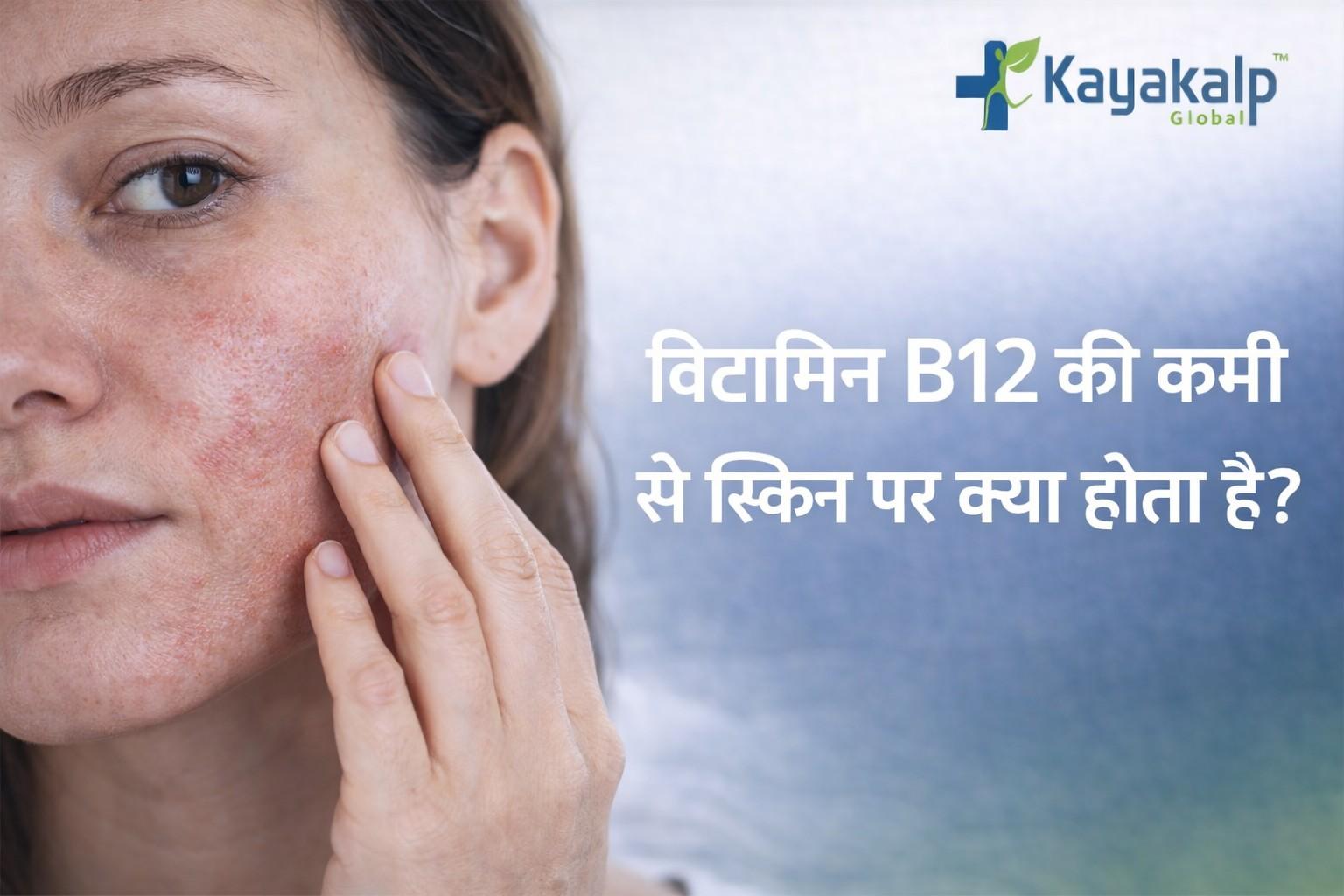
Vitamin B12 is an important nutrient that supports red blood cell formation, nerve function, and DNA production. A deficiency can affect different parts of the body, including the skin, hair, nails, and mouth.
People often search for “vitamin B12 ki kami se skin par kya hota hai” and “safed daag kis vitamin ki kami se hota hai” when they notice changes in their skin. However, it is important to understand that vitamin deficiency and vitiligo are not the same thing.
Vitamin B12 Ki Kami Se Skin Par Kya Hota Hai?
Vitamin B12 deficiency can sometimes be associated with noticeable changes in the skin. Depending on the severity and duration of the deficiency, a person may experience:
- Pale or unusually light-looking skin
- Yellowish skin in some cases
- Hyperpigmentation or darker areas
- Changes in skin tone
- Dryness or other nonspecific skin changes
- Changes around the mouth in some people
B12 deficiency can also cause symptoms outside the skin, including tiredness, weakness, numbness or tingling, and other neurological symptoms.
However, these symptoms are not specific to B12 deficiency. Several other nutritional deficiencies and medical conditions can produce similar changes.
Safed Daag Kis Vitamin Ki Kami Se Hota Hai?
The question “safed daag kis vitamin ki kami se hota hai” does not have a simple answer.
White patches on the skin are not generally caused by one specific vitamin deficiency. Vitiligo, for example, is a pigmentation disorder associated with the loss or dysfunction of melanocytes, the cells that produce melanin.
Some nutritional deficiencies may coexist with pigmentation disorders, but this does not mean that taking a vitamin supplement will automatically remove white patches.
Other conditions, such as certain fungal infections and post-inflammatory changes, can also produce lighter patches on the skin.
Therefore, identifying the actual cause is more important than assuming that a vitamin deficiency is responsible.
Is Vitamin B12 Deficiency Linked to Vitiligo?
Some studies have reported an association between vitamin B12 deficiency and vitiligo, but this does not establish that B12 deficiency is the direct cause of vitiligo.
Vitiligo can occur for several reasons and is commonly considered an autoimmune-related pigmentation disorder. Genetics, immune-system factors, and other biological mechanisms may play a role.
If someone with vitiligo is also found to have vitamin B12 deficiency, correcting the deficiency is important for overall health. However, B12 supplementation should not be considered a guaranteed treatment for vitiligo.
Other Nutrients and Skin Pigmentation
Skin pigmentation can be influenced by overall nutritional status. Deficiencies involving nutrients such as vitamin B12, folate, iron, copper, vitamin D, or other nutrients may sometimes be investigated depending on a person's symptoms and medical history.
However, taking multiple supplements without confirming a deficiency is not advisable.
If you have persistent white patches, a healthcare professional can determine whether nutritional testing is appropriate.
How to Know Whether You Have Vitamin B12 Deficiency?
Symptoms alone cannot reliably confirm vitamin B12 deficiency.
A healthcare professional may consider your:
- Diet
- Medical history
- Medications
- Symptoms
- Physical examination
- Blood test results
Depending on the situation, laboratory tests may be recommended to evaluate vitamin B12 levels and related blood parameters.
If a deficiency is confirmed, the appropriate treatment may involve dietary changes, oral supplements, or other forms of vitamin B12 replacement depending on the underlying cause and severity.
Should You Take Vitamin B12 for White Patches?
Do not start high-dose vitamin B12 supplements simply because you have white patches.
If you have a confirmed deficiency, treating it is important. But if the white patches are caused by vitiligo or another skin condition, vitamin supplementation alone may not resolve them.
A balanced diet containing appropriate sources of vitamin B12 can support overall health. People following vegetarian or vegan diets may need particular attention to adequate B12 intake because naturally occurring B12 is found mainly in animal-derived foods, although fortified foods and supplements can provide alternatives.
When Should You See a Dermatologist?
You should consider consulting a dermatologist if you notice:
- New white patches
- Patches that are gradually spreading
- Multiple areas of depigmentation
- White patches on the face, hands, feet, or around the eyes
- Loss of pigment in hair within affected areas
- Persistent pigmentation changes
- Skin changes accompanied by other unexplained symptoms
A dermatologist can examine the patches and determine whether they are consistent with vitiligo or another skin condition.
Kaya Kalp Global and White Patches
If you are searching for “vitamin B12 ki kami se skin par kya hota hai” or “safed daag kis vitamin ki kami se hota hai,” it is important to look at the complete picture rather than focusing only on vitamins.
Kaya Kalp Global provides information and treatment approaches for vitiligo and other skin pigmentation concerns. A personalised assessment can help determine the possible cause of white patches and whether nutritional factors should be investigated.
If vitamin deficiency is suspected, appropriate testing can help establish whether supplementation is actually required.
Frequently Asked Questions
Vitamin B12 ki kami se skin par kya hota hai?
Vitamin B12 deficiency can be associated with changes such as unusual paleness, hyperpigmentation, or changes in skin tone. However, these symptoms can have many other causes.
Safed daag kis vitamin ki kami se hota hai?
There is no single vitamin deficiency that can be identified as the universal cause of white patches. Vitiligo, fungal infections, and several other conditions can cause skin depigmentation or lighter patches.
Can B12 deficiency cause vitiligo?
A relationship between B12 deficiency and vitiligo has been reported, but B12 deficiency should not be considered the sole or proven cause of vitiligo.
Will B12 supplements remove white patches?
If you have a confirmed B12 deficiency, treating it can improve deficiency-related health problems. However, B12 supplements cannot be guaranteed to restore pigmentation in vitiligo.
Should I get a vitamin test for white patches?
Depending on your symptoms and medical history, a healthcare professional may recommend blood tests to check for nutritional deficiencies or other conditions.
Conclusion
If you are concerned about vitamin B12 ki kami se skin par kya hota hai, remember that B12 deficiency can cause several health and skin-related changes, but skin symptoms alone cannot confirm a deficiency.
Similarly, the answer to “safed daag kis vitamin ki kami se hota hai” is not simply one particular vitamin. White patches can have multiple causes, and vitiligo is a distinct pigmentation disorder rather than simply a vitamin deficiency.
If you have persistent or spreading white patches, get an appropriate evaluation instead of relying only on vitamins or home remedies. Kaya Kalp Global can provide guidance regarding vitiligo and pigmentation concerns, while nutritional deficiencies should be confirmed and treated appropriately by a qualified healthcare professional.
Medical Disclaimer: This content is for general educational purposes only and does not replace professional medical diagnosis, advice, or treatment. Do not begin high-dose vitamin supplements without appropriate medical guidance.
Wellness is not about perfection but about making better choices every day. Exercise regularly, eat mindfully, and manage stress effectively. Share uplifting Hindi dohe to encourage others, while beautiful Bihari Ke Dohe brings happiness and color to wellness celebrations and fitness gatherings.

 English
 French
 Spanish
 Portuguese
 Deutsch
 Turkish
 Dutch
Dutch
 Italiano
 Russian
 Romaian
 Portuguese (Brazil)
 Greek
Greek