


How Often Should a Catheter Be Checked at Home?
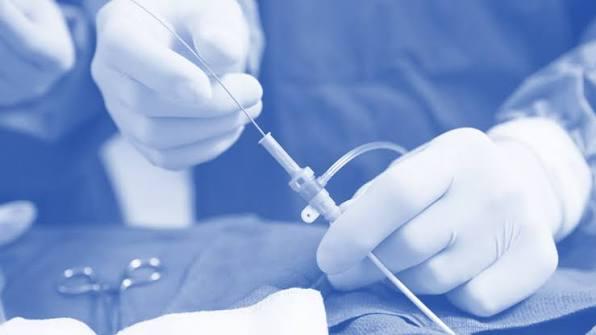
Regular catheter checks are an important part of maintaining hygiene, comfort, and safe urine drainage for patients receiving care at home. For families searching for reliable Catheter Care at Home Dubai, understanding how frequently a catheter should be observed can help prevent avoidable problems and encourage timely medical attention. A Doctor at Home can assess the patient's condition and provide appropriate medical guidance, while trained healthcare professionals can support routine catheter monitoring when additional assistance is needed. Although there is no single checking schedule that suits every patient, consistent observation throughout the day and following the individualized care plan are essential.
Why Regular Catheter Checks Matter:
A urinary catheter provides continuous drainage from the bladder, so caregivers need to ensure that the system remains positioned correctly and urine can flow freely. Regular checks can help identify visible problems such as kinked tubing, an overly full drainage bag, accidental pulling, leakage, or changes around the catheter site. Monitoring can also help caregivers notice changes in the patient's comfort or general condition that may require professional assessment. The frequency of checks depends on factors such as the catheter type, patient's mobility, medical condition, drainage pattern, and healthcare provider's instructions. Routine observation should be gentle and should not involve unnecessary handling or manipulation of the catheter.
How Often Should You Check a Catheter:
There is no universal number of checks required for every patient, because catheter-care needs vary considerably. As a general home-care principle, the catheter and drainage system should be observed regularly throughout the day, particularly during routine activities such as waking, repositioning, bathing, transfers, and before sleep. The drainage bag should also be checked before it becomes excessively full. Patients with limited mobility or those who cannot communicate discomfort may require closer observation according to their care plan. A healthcare professional can provide a personalized schedule based on the patient's condition. Caregivers should follow those instructions rather than relying on a fixed timetable.
What to Check During Each Observation:
A catheter check does not mean repeatedly touching or adjusting the catheter. Instead, caregivers can visually observe the system and ask the patient about comfort when appropriate. Important things to look for include:
- Whether urine is flowing into the drainage bag.
- Whether the tubing is kinked, compressed, or trapped.
- Whether the drainage bag is below bladder level.
- Whether the bag is becoming excessively full.
- Whether there is leakage around the catheter or tubing.
- Whether the surrounding skin appears irritated or swollen.
- Whether the patient reports pain or unusual discomfort.
- Whether there are noticeable changes in the patient's general condition.
If something appears abnormal, caregivers should follow their healthcare provider's instructions rather than attempting unfamiliar catheter procedures.
Check the Catheter During Position Changes:
Patients who move between a bed, chair, wheelchair, and bathroom may be more likely to experience catheter tubing problems. Caregivers should check the catheter and drainage system before and after significant position changes to ensure that the tubing has not become trapped or pulled. This is particularly important for elderly, bedridden, or mobility-limited patients. During repositioning, the drainage bag should remain appropriately positioned below bladder level, and the tubing should not be stretched. Caregivers should never pull directly on the catheter to move a patient. Establishing a quick catheter check as part of each transfer can help reduce accidental displacement and improve comfort.
Monitor the Drainage Bag Regularly:
The drainage bag should be observed regularly because its position and fullness can affect catheter function. The bag generally needs to remain below bladder level to support urine flow and reduce the possibility of backflow. It should be emptied according to professional instructions before becoming excessively full or heavy. Caregivers should also check that the drainage outlet has not come into contact with contaminated surfaces. A simple routine can help make bag monitoring easier:
- Check the bag during routine care activities.
- Observe whether urine is flowing normally.
- Ensure the bag remains below bladder level.
- Empty it according to the recommended instructions.
- Keep the drainage outlet away from contaminated surfaces.
- Check tubing for bends or compression.
The exact emptying frequency depends on urine production, bag capacity, and the patient's care plan.
Check the Catheter Area for Skin Changes:
The skin around the catheter should be observed regularly for signs of irritation or other changes. This is particularly important for patients who are bedridden, have limited mobility, or have difficulty communicating discomfort. Caregivers should look for persistent redness, swelling, tenderness, discharge, or skin breakdown. The area should be kept clean and dry according to the healthcare provider's instructions. Avoid applying creams, powders, fragrances, or antiseptic products unless specifically recommended. If a skin change persists or worsens, the patient should be assessed by a qualified healthcare professional rather than relying on home treatment.
Monitor Urine Flow and Appearance:
Changes in urine drainage can provide useful information about catheter function, but caregivers should avoid trying to diagnose problems based solely on urine appearance. A sudden reduction or complete stop in urine flow may be related to tubing compression, blockage, displacement, or other issues. Caregivers can check whether the tubing is visibly kinked or compressed if this is consistent with their instructions. They should not force fluids through the catheter or attempt invasive methods to clear a blockage unless specifically trained and instructed. Urine color and odor can change for several reasons, so concerning changes should be considered alongside symptoms such as pain, fever, or reduced drainage.
Know the Warning Signs of Infection:
Regular catheter checks should include attention to the patient's overall health, not just the equipment. Possible signs of a catheter-associated urinary tract infection include fever, chills, lower abdominal discomfort, new or worsening pain, unusual weakness, or changes in general wellbeing. Discharge around the catheter or significant blood in the urine may also require medical evaluation. Cloudy or unusually strong-smelling urine alone does not necessarily indicate infection, but it can be worth discussing with a healthcare professional when accompanied by other symptoms. Families should not use leftover antibiotics or attempt to treat a suspected infection without appropriate medical advice.
When Should You Check More Frequently:
Some patients may require closer observation than others. Increased monitoring may be appropriate when a patient has recently returned home after hospitalization, has limited mobility, cannot reliably communicate symptoms, or has experienced previous catheter-related complications. Additional attention may also be necessary after changes to the catheter system or when the patient is experiencing unusual discomfort. The healthcare team should determine the appropriate frequency based on the patient's clinical needs. Caregivers should avoid excessive handling simply because they are concerned; frequent observation should primarily involve visual checks and symptom monitoring unless a healthcare professional has instructed otherwise.
When to Seek Professional Catheter Care:
Professional catheter care may be useful when patients or family caregivers are unable to safely manage routine monitoring. A trained healthcare professional can assess the catheter system, provide hygiene assistance, educate caregivers, and identify concerns that may require further medical evaluation. Professional support can be particularly helpful for elderly patients, bedridden individuals, people with limited dexterity, or patients with complex healthcare needs. Regular home visits may be arranged according to the patient's individualized care plan. Professional assistance should complement scheduled medical appointments rather than replace necessary physician evaluation.
When a Catheter Problem Requires Prompt Medical Attention:
Some changes should not wait until the next routine catheter check or scheduled home visit. Patients should seek prompt medical assessment if the catheter stops draining, becomes displaced, causes significant pain, or is associated with substantial bleeding or possible infection symptoms. Severe pain, significant bleeding, or rapid deterioration may require urgent evaluation. Caregivers should never attempt to reinsert a removed catheter or forcefully clear a suspected blockage unless they have been appropriately trained and instructed to do so. Having the healthcare provider's contact information readily available can help families respond quickly when unexpected problems arise.
Create a Simple Catheter Monitoring Routine:
A consistent routine can help caregivers remember important checks without making catheter care unnecessarily complicated. Families can incorporate catheter observation into normal daily activities, including waking, meals, bathing, repositioning, transfers, and bedtime. A simple record can also be useful when recommended by the healthcare provider, particularly for noting unusual symptoms, changes in urine drainage, or catheter-related incidents. Caregivers should keep necessary supplies organized and ensure that everyone involved in the patient's care understands the basic routine. Most importantly, the patient's individualized healthcare instructions should take priority over general schedules found online.
Final Thoughts
How often a catheter should be checked at home depends on the patient's condition, catheter type, mobility, drainage pattern, and healthcare plan. Rather than following a rigid schedule, caregivers should perform regular visual checks throughout the day and pay particular attention during repositioning, transfers, personal care, and before sleep. Monitoring urine flow, tubing position, drainage bag fullness, skin condition, and patient comfort can help identify potential concerns early. When problems arise or caregivers are uncertain about appropriate care, professional medical guidance should be sought. Consistent observation and individualized support can help make catheter care at home safer, more comfortable, and easier to manage.

 English
 Arabic
 French
 Spanish
 Portuguese
 Deutsch
 Turkish
 Dutch
Dutch
 Italiano
 Russian
 Romaian
 Portuguese (Brazil)