


Vitiligo Diet Chart – Vitiligo Me Kya Khana Chahiye | Kaya Kalp Global
Vitiligo is a pigmentation condition in which the skin loses its natural colour because melanocytes, the cells responsible for producing melanin, are affected. Along with appropriate treatment, many people also want to know vitiligo me kya khana chahiye and whether a specific diet can support healthy skin and pigmentation.
There is currently no special diet proven to cure vitiligo on its own. However, maintaining a balanced and nutritious diet can support overall health and help provide important vitamins, minerals, antioxidants, protein, and other nutrients. Research has also investigated nutrients such as vitamin B12, vitamin E, zinc, and copper in people with vitiligo, although dietary changes should be considered supportive rather than a standalone treatment.
Vitiligo Diet Chart
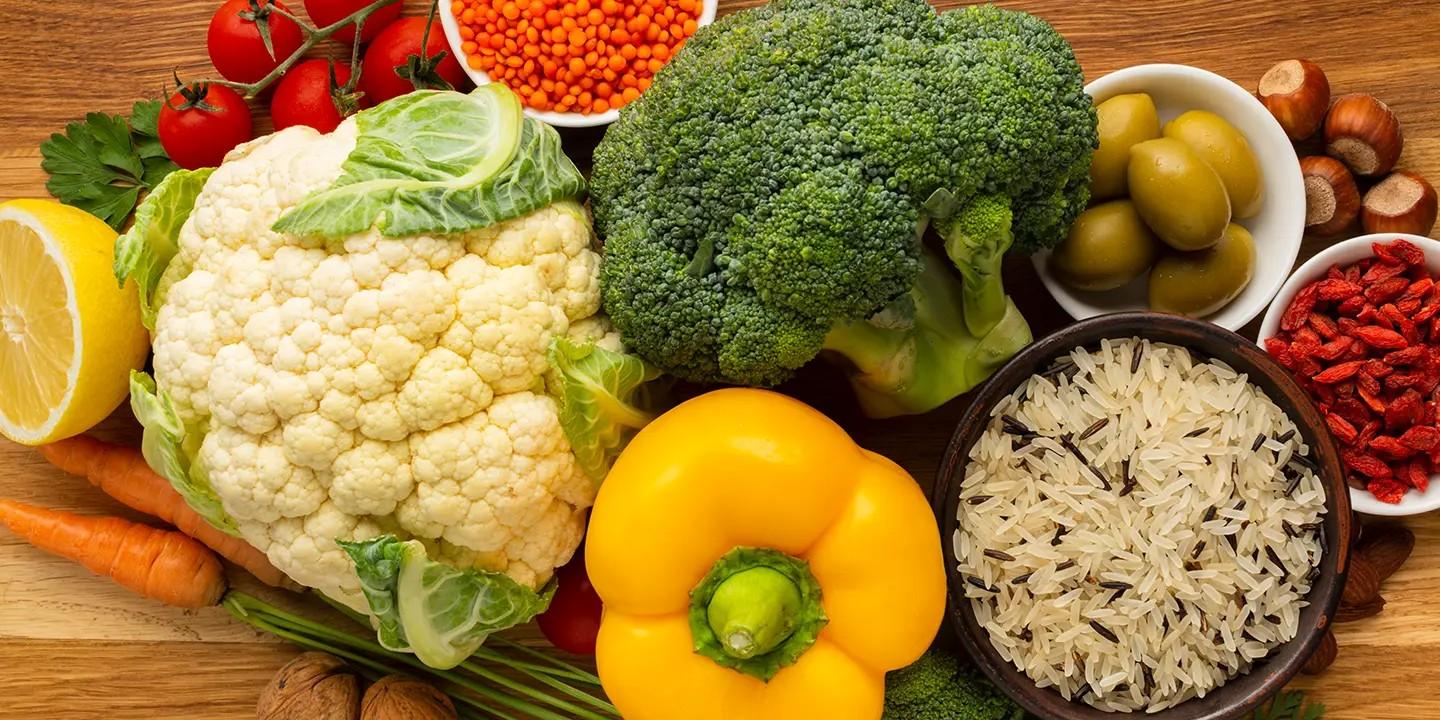
A simple Indian diet plan can include a variety of fruits, vegetables, whole grains, pulses, dairy or suitable alternatives, nuts, seeds, and adequate protein.
|
Time |
Recommended Foods |
|
Early Morning |
Warm water + a small portion of soaked almonds or walnuts |
|
Breakfast |
Vegetable poha, upma, oats, dalia, vegetable paratha, or eggs |
|
Mid-Morning |
Guava, pomegranate, papaya, apple, orange, or seasonal fruit |
|
Lunch |
Roti or brown rice, dal, vegetables, salad, curd, and a protein source |
|
Evening |
Roasted chana, nuts, seeds, fruit, or unsweetened beverage |
|
Dinner |
Roti, vegetables, dal, paneer/tofu, or another suitable protein source |
|
Before Bed |
Milk or a suitable alternative if tolerated |
This is a general example rather than a medically prescribed diet. Individual nutritional requirements can differ based on age, health, dietary preferences, allergies, and nutritional deficiencies.
Vitiligo Me Kya Khana Chahiye?
People searching for vitiligo me kya khana chahiye should focus on dietary variety rather than relying on one particular food.
1. Fresh Fruits
Fruits can provide vitamins, minerals, fibre, and antioxidants.
Good options include:
- Pomegranate
- Guava
- Papaya
- Apple
- Orange
- Kiwi
- Berries
- Banana
- Seasonal fruits
Including different fruits throughout the week can provide a broader range of nutrients.
2. Green Leafy Vegetables
Green vegetables can provide folate, fibre, carotenoids, and other micronutrients.
Consider including:
- Spinach
- Fenugreek leaves
- Amaranth
- Broccoli
- Green peas
- Beans
- Other seasonal green vegetables
Try to include vegetables in at least two main meals when possible.
3. Nuts and Seeds
Nuts and seeds can provide healthy fats, protein, vitamin E, zinc, copper, and other nutrients.
Useful options include:
- Almonds
- Walnuts
- Cashews
- Sesame seeds
- Sunflower seeds
- Pumpkin seeds
- Flaxseeds
- Chia seeds
Because nuts and seeds are calorie-dense, moderate portions are generally sufficient.
Foods Containing Vitamin B12
Vitamin B12 is an important nutrient for normal blood cells, nerves, and overall health. Some studies have reported lower B12 levels in people with vitiligo, but this does not mean that B12 deficiency is the cause of vitiligo in every person.
Dietary sources include:
- Milk
- Curd
- Paneer
- Eggs
- Fish
- Chicken
- Meat
- Fortified foods
People following a vegetarian or vegan diet may need particular attention to adequate B12 intake.
If a deficiency is suspected, a healthcare professional can recommend appropriate testing and supplementation.
Copper-Rich Foods
Copper is an essential trace mineral involved in several normal body functions. It is also involved in enzymes associated with melanin production.
Dietary sources include:
- Sesame seeds
- Cashews
- Almonds
- Sunflower seeds
- Chickpeas
- Lentils
- Beans
- Mushrooms
- Whole grains
Copper supplements should not be taken without professional advice because excessive copper intake can also be harmful.
Zinc-Rich Foods
Zinc supports normal immune function, wound healing, and many other biological processes.
Foods containing zinc include:
- Pumpkin seeds
- Sesame seeds
- Chickpeas
- Lentils
- Beans
- Cashews
- Almonds
- Dairy products
- Eggs
- Meat and seafood
A varied diet is generally a better way to obtain zinc than taking supplements without confirming a deficiency.
Foods Rich in Vitamin E
Vitamin E is an antioxidant nutrient that helps protect cells from oxidative damage.
Sources include:
- Almonds
- Sunflower seeds
- Peanuts
- Avocado
- Spinach
- Other nuts and seeds
Including these foods as part of a balanced diet can contribute to overall nutritional health.
Should You Eat Foods Containing Vitamin C?
Vitamin C is an essential nutrient and fruits and vegetables are important parts of a healthy diet. There is no need for people with vitiligo to automatically eliminate vitamin C-rich foods.
However, vitamin C supplements should not be taken specifically for vitiligo unless recommended by a healthcare professional.
The evidence regarding dietary supplements and vitiligo remains limited, and diet should not replace established treatment.
Foods to Limit
There is no universally accepted list of foods that every person with vitiligo must completely avoid.
However, a healthy diet generally involves limiting excessive consumption of:
- Highly processed foods
- Sugary drinks
- Excess added sugar
- Deep-fried foods
- Excessive fast food
- Excessive alcohol
- Foods with very low nutritional value
If you personally notice that a particular food causes an allergic or digestive reaction, discuss it with a healthcare professional rather than unnecessarily eliminating large food groups.
Does Milk Need to Be Avoided in Vitiligo?
There is no general requirement for every person with vitiligo to stop consuming milk or dairy products.
Milk, curd, and other dairy foods can provide protein, calcium, and vitamin B12. If you tolerate dairy products, they can be included in a balanced diet.
People with lactose intolerance, milk allergy, or other dietary restrictions should choose appropriate alternatives.
Can Food Increase Melanin?
Certain nutrients are involved in normal melanin production and melanocyte function, but eating a particular food does not automatically increase melanin in vitiligo patches.
Foods containing protein, copper, zinc, vitamins, and antioxidants can support normal nutrition, but no individual food has been proven to restore pigmentation by itself.
Vitiligo management may require specific medical treatment depending on the type, location, and activity of the condition.
Can Vitiligo Be Cured by Diet Alone?
No. A special diet should not be promoted as a guaranteed cure for vitiligo.
Nutrition can be a supportive part of overall care, particularly when a person has a confirmed nutritional deficiency. However, evidence for dietary interventions as a standalone vitiligo treatment remains limited.
A balanced diet should therefore complement, rather than replace, appropriate professional treatment.
Lifestyle Tips Along With a Vitiligo Diet
A healthy lifestyle can complement good nutrition.
Consider:
- Getting adequate sleep
- Staying physically active
- Managing stress
- Avoiding smoking
- Limiting alcohol
- Maintaining a healthy body weight
- Protecting depigmented skin from excessive sun exposure
- Following the treatment plan recommended by your healthcare professional
Kaya Kalp Global and Vitiligo Diet Guidance
Kaya Kalp Global focuses on personalised approaches to vitiligo and psoriasis care. Dietary and lifestyle guidance can be considered as part of a broader treatment plan based on an individual's requirements.
People looking for a vitiligo diet chart should avoid following extremely restrictive diets or taking multiple supplements without professional advice.
A balanced Indian diet containing fruits, vegetables, whole grains, pulses, nuts, seeds, dairy or suitable alternatives, and adequate protein can provide a strong nutritional foundation.
If you suspect a deficiency of vitamin B12, vitamin D, zinc, copper, iron, or another nutrient, appropriate testing can help determine whether supplementation is actually necessary.
Frequently Asked Questions
What should I eat in vitiligo?
Include a varied diet containing fresh fruits, vegetables, pulses, whole grains, nuts, seeds, adequate protein, and suitable dairy or alternatives. Foods providing vitamin B12, zinc, copper, and vitamin E can also be included as part of a balanced diet.
Which fruit is good for vitiligo?
There is no specific fruit proven to cure vitiligo. Pomegranate, guava, papaya, apples, oranges, berries, kiwi, and other seasonal fruits can be included as nutritious choices.
Can I eat milk if I have vitiligo?
Yes. There is no general requirement to avoid milk because of vitiligo. Milk and dairy products can provide protein, calcium, and vitamin B12 if tolerated.
Should I take vitamin supplements for vitiligo?
Supplements should ideally be taken when a deficiency has been identified or when recommended by a healthcare professional. Taking high doses without medical advice can be unnecessary or harmful.
Can a vitiligo diet restore white patches?
Diet alone cannot guarantee repigmentation. A nutritious diet can support overall health, but vitiligo-specific treatment may be necessary for managing pigmentation loss.
Does Kaya Kalp Global provide diet guidance for vitiligo?
Kaya Kalp Global provides personalised approaches for vitiligo care. Dietary and lifestyle guidance may form part of an individual's overall treatment and wellness plan.
Conclusion
Following a balanced vitiligo diet chart can help ensure that the body receives the nutrients required for normal health and skin function. If you are wondering vitiligo me kya khana chahiye, focus on dietary variety rather than searching for one food that can cure or reverse white patches.
Include fresh fruits, vegetables, whole grains, pulses, nuts, seeds, adequate protein, and suitable sources of vitamins and minerals. Vitamin B12, zinc, copper, and vitamin E are among the nutrients that have been studied in relation to vitiligo, but supplementation should be based on individual needs and professional guidance.
Kaya Kalp Global follows a personalised approach to vitiligo care, and nutrition can be considered as one supportive component of a broader treatment plan.
Medical Disclaimer: This content is for general educational purposes only and should not replace professional medical diagnosis, dietary assessment, treatment, or advice. Individual nutritional needs and responses to vitiligo treatment vary. No specific food or diet can guarantee a cure or repigmentation.

 English
 Arabic
 French
 Spanish
 Portuguese
 Deutsch
 Turkish
 Dutch
Dutch
 Italiano
 Russian
 Portuguese (Brazil)
 Greek
Greek