


Natural vs. Synthetic Cosmetic Ingredients: Safety, Benefits, and Regulatory Standards
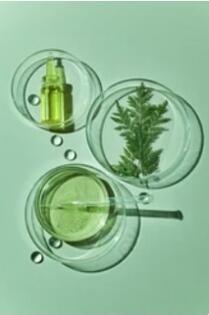
How to understand the natural ingredients and chemical synthetic ingredients in cosmetics?
"Natural" is often thought of as "safe and healthy," while "chemical" is sometimes thought of as "harmful and polluting." In fact, ingredients, whether natural or unnatural, are defined by one or more chemical names molecular composition. From a scientific point of view, the dosage of ingredients is the root cause of toxicity. Like all types of ingredients, natural ingredients (even water) can be dangerous if used in the wrong dosage.
- Understanding Natural Ingredients
Natural ingredients are derived from natural sources such as plants, minerals, or animals. They can provide various benefits for the skin, hair, or nails. Learning about different natural ingredients and their properties can help you understand their potential effects on your body. However, it's important to note that natural doesn't always mean safe, as some natural ingredients can cause allergic reactions or sensitivities in certain individuals.
- Understanding Synthetic Ingredients
Synthetic ingredients are made in laboratories and are not derived directly from natural sources. These ingredients can be designed to mimic natural substances or provide specific functionalities. Some synthetic ingredients have been extensively tested and proven safe for use in cosmetics. For example, vitamin C, which is currently mostly derived from chemical synthesis, is an essential vitamin for the human body. However, some synthetic ingredients can be potential irritants or allergens for certain individuals.
What are the common natural cosmetic ingredients?
There are many common natural cosmetic ingredients that are used in various skincare and beauty products. Here are a few examples:
- Aloe Vera Extract: Known for its soothing and moisturizing properties, aloe vera is often used in skincare products such as moisturizers and sunscreens.
- Coconut Oil: This versatile ingredient is used in everything from cleansers to hair conditioners due to its hydrating and conditioning properties.
- Tea Tree Oil: Known for its antibacterial and antifungal properties, tea tree oil is commonly used in acne treatments and skincare products for its purifying benefits.
- Jojoba Oil: Similar to the natural oils produced by our skin, jojoba oil is used in moisturizers, serums, and cleansers for its nourishing and balancing effects.
- Shea Butter: Derived from the nuts of the shea tree, shea butter is a popular ingredient in moisturizers, lip balms, and hair products due to its hydrating and protective qualities.
- Chamomile Extract: Known for its calming and soothing properties, chamomile is often used in skincare products for sensitive or irritated skin, such as creams and cleansers.
Which natural cosmetic ingredients have been banned?
There have been various natural cosmetic ingredients that have been banned or restricted for use due to safety concerns. It's important to note that regulations and banned ingredients may vary by country or region.
According to the EU Cosmetics Regulation 1223/2009 Appendix II (List of Prohibited Components) and Appendix III (List of Restricted Components), marigold flower extract, marigold flower oil, and French marigold flower extract and French marigold flower oil are forbidden ingredients.

 English
 Arabic
 French
 Spanish
 Portuguese
 Deutsch
 Turkish
 Dutch
 Italiano
 Russian
 Romaian
 Greek