


Is It Possible to Get an AI Job Without a Computer Science Degree?
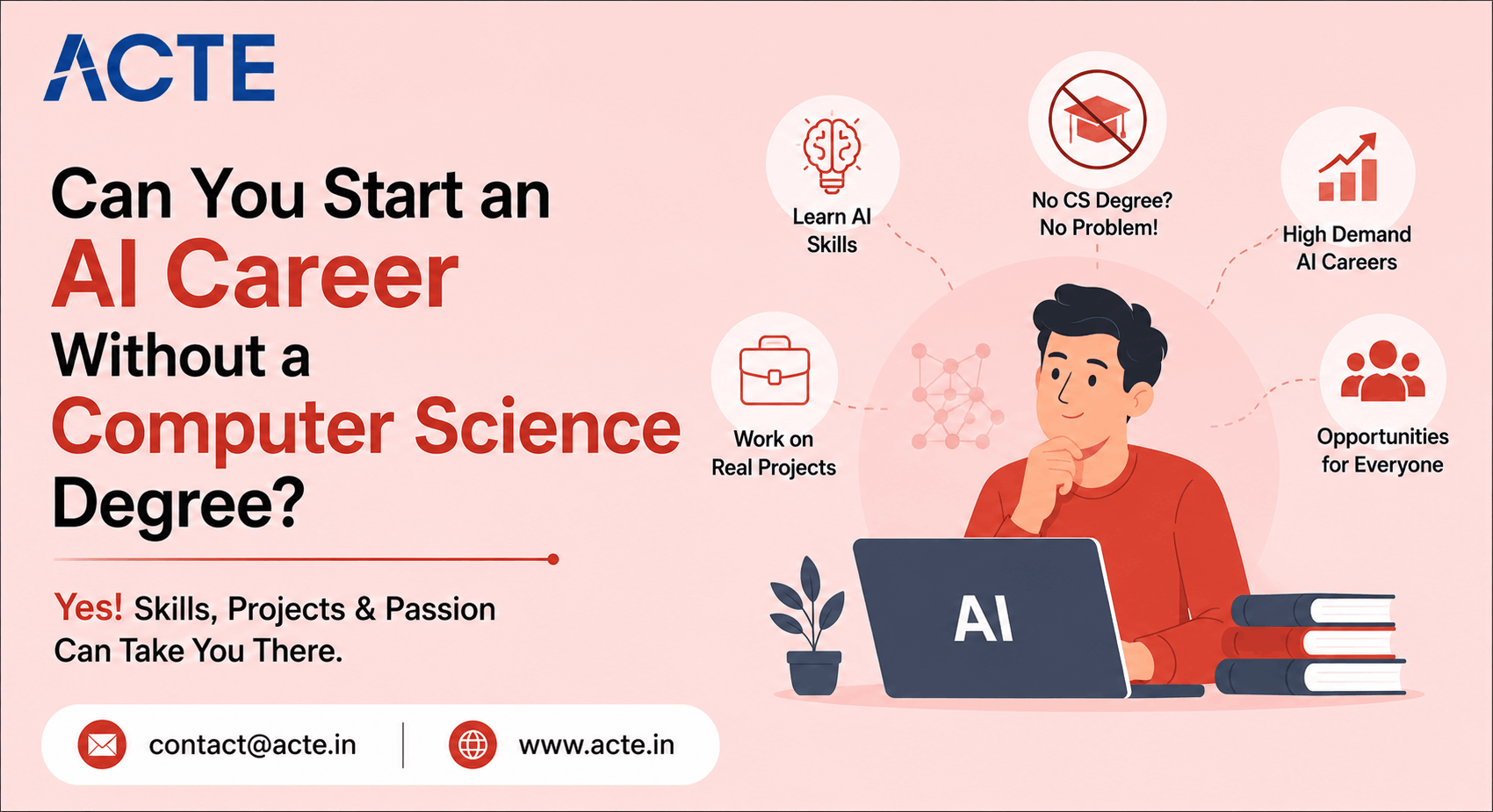
Artificial intelligence is creating new opportunities across technology, business, healthcare, finance, education, and many other industries. As companies increasingly use AI for automation, analytics, customer support, and decision-making, demand for AI-related skills continues to grow. This has encouraged many graduates from non-technical backgrounds to AI Course in Bangalore consider AI as a career option. Although a Computer Science degree can be useful, it is not always essential. A combination of technical learning, practical experience, and continuous improvement can help candidates enter the field.
Choose a Specific AI Career Direction
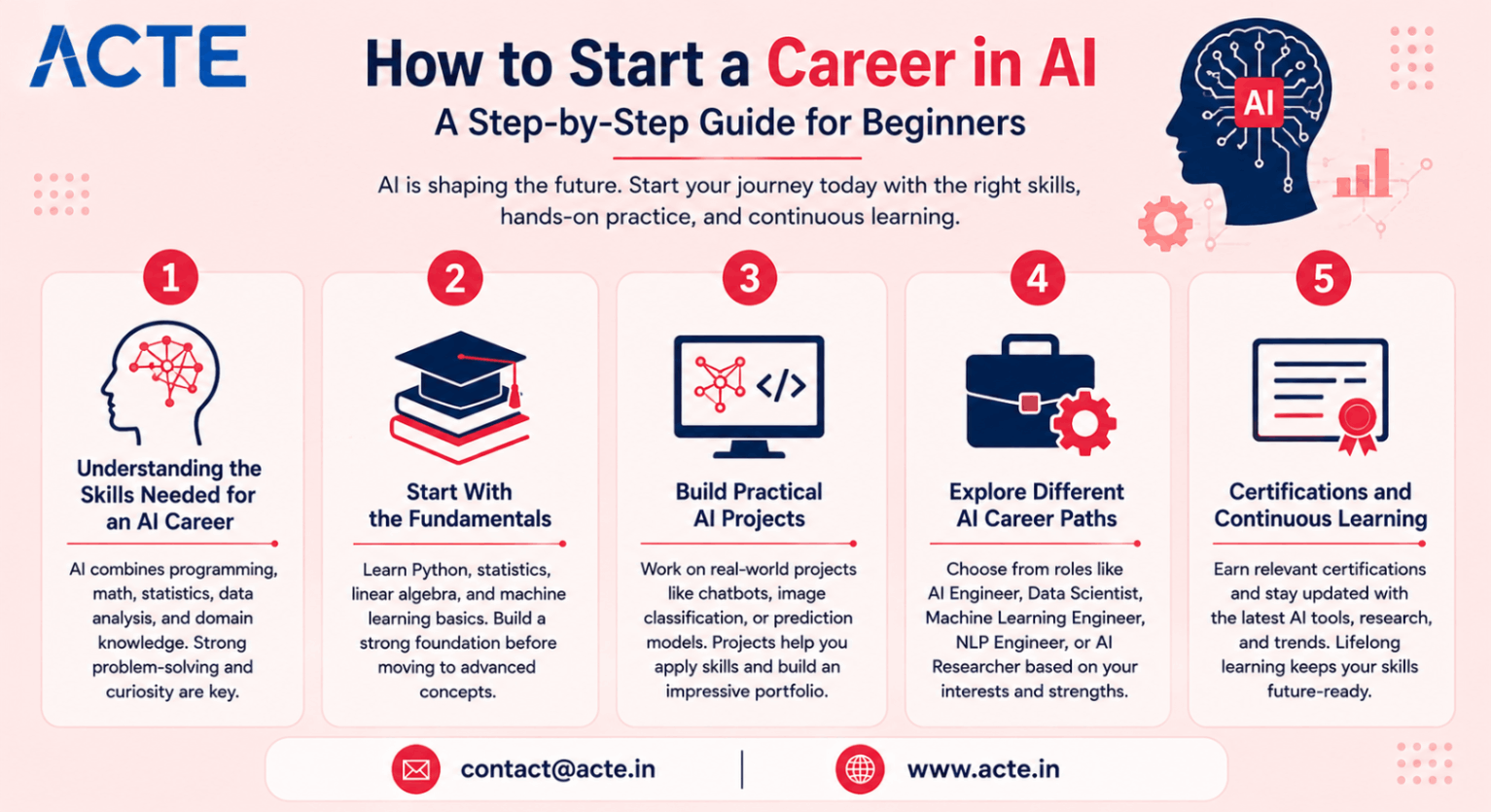
AI covers a wide range of roles, so beginners should first decide what type of career they want to pursue. Some positions, such as machine learning engineer or AI developer, require strong programming and mathematical knowledge. Other roles, including AI analyst, automation specialist, AI product professional, and data-focused positions, may require a different combination of skills. Choosing a specific direction helps learners create a realistic and focused career roadmap.
Build Programming and Data Knowledge
Programming is an important part of many AI careers, and Python is a popular starting point. Beginners can learn basic programming before moving into data structures, data manipulation, and machine learning concepts. Familiarity with Pandas, NumPy, Scikit-learn, and SQL can provide valuable practical knowledge. Basic statistics and probability are also useful for understanding datasets, evaluating models, and interpreting AI results.
Learn by Building AI Applications
Practical experience can make a major difference when entering AI without a Computer Science degree. Instead of only watching tutorials, learners should apply their knowledge through AI Course in Chennai projects. They could build a customer-support chatbot, sales prediction model, recommendation engine, sentiment analysis application, or AI-powered document assistant. Projects demonstrate the ability to apply concepts to real problems and can provide useful material for technical interviews.
Develop a Professional AI Portfolio
A strong portfolio can help candidates showcase their capabilities to potential employers. Each project should include a clear description of the problem, technologies used, development process, and final outcome. Candidates can also include source code, AI Course in Hyderabad project documentation, and demonstrations where appropriate. A portfolio does not need dozens of projects; a few well-developed applications that demonstrate different skills can be more valuable than many incomplete examples.
Combine AI With Existing Professional Skills
Non-CS professionals can use their existing knowledge to create a distinctive AI profile. For example, someone with experience in marketing can explore AI-based customer segmentation, content automation, or predictive analytics. A finance professional could focus on forecasting and intelligent reporting. Combining domain expertise with AI capabilities can help professionals move into specialized roles where both business knowledge and technology skills are valuable.
Keep Learning and Adapt to Change
AI technologies evolve rapidly, so professionals need to treat learning as an ongoing process. New models, frameworks, automation platforms, and applications can change the skills employers expect. Certifications can help provide structured learning, but they should be supported AI Online Course by hands-on projects and practical knowledge. Regular experimentation and staying informed about industry developments can help professionals maintain relevant skills.
Conclusion
Starting an AI career without a Computer Science degree is possible when you take a skills-focused approach. Learning Python, data analysis, AI fundamentals, and machine learning can provide a strong foundation. Building practical applications and combining AI expertise with existing industry knowledge can further strengthen a candidate's profile. While certain advanced AI positions may prefer formal technical education, consistent learning, practical experience, and a strong portfolio can help non-CS professionals access a wide range of opportunities in the AI industry.

 English
 Arabic
 French
 Spanish
 Portuguese
 Deutsch
 Turkish
 Dutch
 Italiano
 Russian
 Romaian
 Greek