


At-Home Skincare vs. Professional Treatments
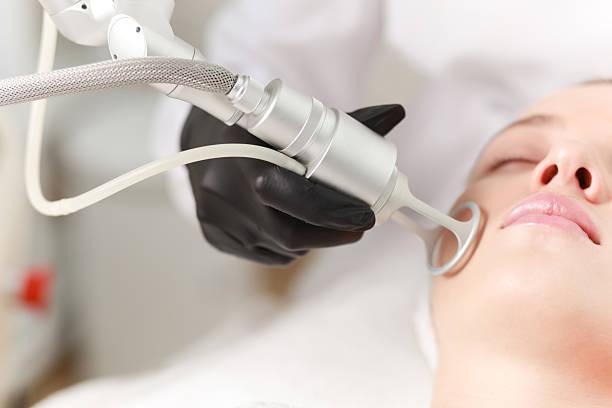
Most people have a bathroom shelf that tells a story. Serums, toners, a jade roller, maybe a microcurrent device still in the box. The spending adds up fast, and yet the skin doesn't always show it. So the question a lot of people are quietly asking is whether any of it actually works, or whether a few visits to a licensed pro would have done more for less. This article gives you an honest side-by-side look. No hype, no product endorsements. If you're weighing your options and considering a Skincare Esthetician in Greenwood Village CO, this is a good place to start before you book anything or buy anything else.
What At-Home Skincare Actually Does Well
Daily maintenance is where home routines genuinely shine. Cleansing, moisturizing, SPF, and a well-chosen serum or two can absolutely move the needle on hydration, texture, and early signs of sun damage. Consistency beats almost everything else at this level. A solid routine done every single day will outperform an occasional expensive treatment with nothing supporting it between visits.
Basic exfoliation is another area where at-home products hold their own. Low-percentage AHAs like glycolic or lactic acid, used a few times a week, keep dead skin from building up and help serums absorb better. Same with retinol. Over-the-counter retinol takes longer to show results than prescription-strength tretinoin, but it does work if you stick with it. The ceiling just isn't as high.
Here's the honest ceiling, though. At-home tools like LED masks, microcurrent wands, and at-home dermaplaning blades are consumer-grade versions of professional equipment. They're not the same thing. The energy output is lower, the settings are fixed, and there's nobody adjusting anything based on how your skin is actually responding. You can get real results. But you're unlikely to get the same depth of results.
Where DIY Consistently Falls Short
Extractions. Full stop. Trying to clear clogged pores at home without proper training is one of the fastest ways to push bacteria deeper into the skin or create a scar that wasn't there before. It feels satisfying in the moment. It's also genuinely risky.
Clinical-strength chemical peels are another gap. The peels you can buy online top out at concentrations that are safe for untrained application, which means they're considerably weaker than what a licensed professional can apply. A 20% glycolic peel from a professional, applied with proper prep and neutralization, does something meaningfully different than a 10% at-home pad. The difference in outcome is not subtle.
Accurate skin-type assessment is something most people underestimate. Plenty of people think they have oily skin when they actually have dehydrated skin that's overproducing oil to compensate. Using the wrong products based on a wrong self-diagnosis can make things worse over months without you realizing why. That's not a knock on anyone. Skin is genuinely tricky to read without training.
What a Licensed Esthetician Actually Brings
It's not just the products. A licensed esthetician brings skin analysis skills, professional-grade equipment, and the ability to build layered treatment protocols that home routines can't replicate. They're also adjusting in real time. If your skin reacts differently than expected mid-session, they change course. An at-home device doesn't do that.
Professional equipment operates at intensities that require training to use safely. Microdermabrasion machines, high-frequency tools, and clinical peels all fall into this category. The licensing and training requirements for estheticians exist specifically because these tools can cause harm in untrained hands. That's not marketing. It's just true.
A good esthetician also helps you stop wasting money on products you don't need. That's worth something. I've talked to people who cut their monthly skincare spend significantly after one professional consultation because they finally knew what their skin actually needed, and it wasn't half the stuff they were buying. All About Skin Inc. is one example of a practice that approaches consultations this way, focusing on what your skin specifically needs rather than a generic protocol.
The Honest Cost Comparison
Let's run some rough numbers. A decent at-home setup, including a cleanser, serum, SPF, retinol, and maybe a device or two, can easily run $300 to $600 upfront, with monthly restocking costs of $80 to $150. Over a year, that's potentially $1,200 to $2,400 spent, not counting the device replacements or the products that didn't work out.
A series of professional treatments, say six sessions over three months with an Esthetician in Greenwood Village CO, might cost $600 to $900 depending on the treatment type. After that, quarterly maintenance visits and a simplified home routine can keep results going for a fraction of the ongoing cost. The math doesn't always favor home routines as much as people assume.
What you get from each investment also differs. At-home spending gives you daily control and gradual improvement. Professional treatments give you faster visible change on specific concerns, especially things like hyperpigmentation, persistent acne, or texture issues that have stopped responding to topical products. Neither is universally better. But for certain concerns, professional intervention is genuinely faster and cheaper in the long run.
A Practical Decision Framework
Some concerns are fine to manage at home. Dry skin, mild texture issues, basic anti-aging maintenance, and general brightening are all areas where a consistent home routine can deliver good results over time. If your skin is generally happy and you're just maintaining, you probably don't need professional treatments every month.
But if you're dealing with persistent acne, noticeable hyperpigmentation, uneven skin tone that hasn't shifted in months, or you've been using products for a year without seeing real change, those are signs that professional input would help. The same goes for any time you want to try something stronger, like a peel or a clinical exfoliation, and you're not sure if your skin can handle it. An Esthetician in Greenwood Village CO can assess that for you before you risk a reaction.
The smartest approach most people land on is a combination. Use your home routine to maintain and support. Use professional visits to address specific concerns, reset your skin periodically, and get an expert set of eyes on what's actually happening. You don't have to choose one or the other. You just have to be honest about what each one can and can't do.
And if you're already spending $100 a month on products that aren't delivering, redirecting some of that toward a Skincare Esthetician in Greenwood Village CO once a quarter might actually be the more cost-effective call.
Frequently Asked Questions
Can at-home LED masks actually improve my skin?
They can, but results are slower and milder than clinical LED treatments. Consumer LED masks use lower energy output and fixed settings. You'll likely see some improvement in tone and mild acne over several weeks of consistent use, but don't expect the same outcome as a professional session.
How often should I see a professional esthetician?
Most estheticians recommend once a month for active concerns like acne or hyperpigmentation, and every six to eight weeks for general maintenance. That said, it depends on your skin's specific needs and budget. Even two or three visits a year can make a real difference if your home routine is solid.
Is it safe to do chemical peels at home?
Low-concentration at-home peels are generally safe when you follow the instructions. But they're considerably weaker than professional peels, so the results are more modest. Higher-strength peels bought online and applied without training carry a real risk of burns or scarring. It's one area where professional application is worth the cost.
How do I know if my skincare routine is actually working?
Give any new product or routine at least eight to twelve weeks before judging it. Skin turns over slowly. Take photos in the same lighting every few weeks so you can compare objectively. If you've been consistent for three months and nothing has shifted, that's a good time to get a professional opinion on what's missing.
What should I expect from a first esthetician appointment?
Most first visits include a skin analysis, a conversation about your current routine and concerns, and a treatment tailored to what your skin needs that day. You'll probably leave with product recommendations and a clearer picture of what's actually going on with your skin. It's less intimidating than people expect, and honestly pretty useful even if you only go once.

 English
 Arabic
 French
 Spanish
 Portuguese
 Deutsch
 Turkish
 Dutch
Dutch
 Italiano
 Russian
 Romaian
 Portuguese (Brazil)