


A Complete Guide to Chronic Rectal Pain Causes Symptoms and Treatment
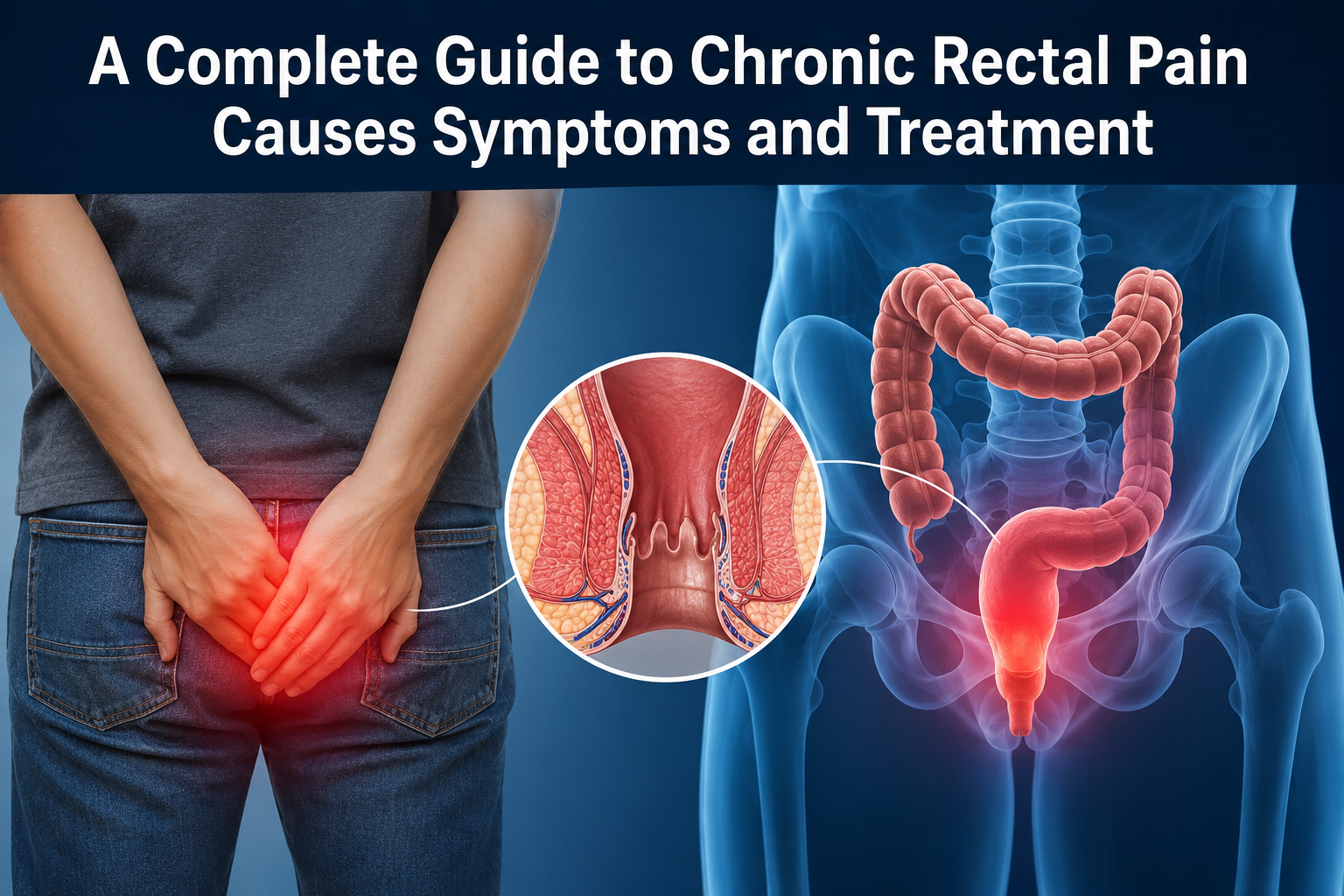
Chronic rectal pain can be uncomfortable, frustrating and sometimes difficult to discuss. While occasional discomfort may have a simple cause, pain that continues for weeks or keeps returning should not be ignored. Chronic Rectal Pain Treatment In London may involve identifying the underlying condition through a medical assessment and choosing treatment according to the cause. Understanding the possible reasons behind rectal pain can help people recognise when professional advice may be needed.
What Is Chronic Rectal Pain?
Chronic rectal pain refers to discomfort around the rectum or anal area that persists or repeatedly occurs over an extended period. The pain may feel like aching, pressure, burning, sharp discomfort or spasms. In some people, it may become worse during bowel movements, while others experience pain even when resting.
Because several conditions can produce similar symptoms, identifying the exact cause is an important part of effective management.
Common Causes of Chronic Rectal Pain
Several problems may contribute to persistent rectal discomfort, including:
- Haemorrhoids: Swollen veins around the anus can cause pain, itching, irritation or bleeding.
- Anal fissures: Small tears in the anal lining may result in sharp pain, particularly during and after bowel movements.
- Abscesses: An infection can create a painful collection of pus near the anus and may require prompt medical attention.
- Fistulas: An abnormal connection between the anal canal and surrounding skin can cause recurring discomfort or discharge.
- Pelvic floor problems: Muscle tension or dysfunction can contribute to long-lasting rectal or pelvic pain.
- Inflammatory bowel conditions: Conditions affecting the digestive tract may sometimes cause rectal discomfort along with changes in bowel habits.
- Nerve-related pain: Irritation or sensitivity of nerves in the pelvic region may cause persistent pain without an obvious external problem.
Symptoms That May Occur With Rectal Pain
Chronic rectal pain can occur alongside several other symptoms. These may include bleeding, itching, swelling, changes in bowel movements, constipation, diarrhoea, mucus or discomfort while sitting.
The pattern of symptoms can provide useful information to a healthcare professional. However, symptoms alone cannot confirm the underlying cause.
How Is Chronic Rectal Pain Diagnosed?
Diagnosis generally begins with a detailed discussion about the pain, including when it started, its severity and whether anything makes it better or worse. A physical examination may also be performed.
Depending on the symptoms and clinical findings, additional investigations may sometimes be recommended. These can include blood tests, stool tests, imaging studies or an examination of the rectum and bowel. The aim is to identify the underlying condition rather than simply manage the pain temporarily.
Treatment Options
Treatment depends on the specific cause of the pain. Mild problems may improve with dietary and lifestyle changes, adequate fluid intake and measures that help maintain regular, soft bowel movements.
Conditions such as haemorrhoids or anal fissures may be managed with medicines, topical treatments and changes in bowel habits. More persistent or complicated conditions, such as abscesses or fistulas, may require a procedure or surgery.
For pelvic floor-related pain, specialised physiotherapy and exercises may be recommended. When nerve-related pain is suspected, treatment may focus on managing nerve sensitivity and addressing contributing factors.
When Should You Seek Medical Advice?
Persistent rectal pain should be assessed, particularly when it is severe, worsening or associated with rectal bleeding, fever, unexplained weight loss, swelling or significant changes in bowel habits. Early assessment can help identify potentially treatable conditions and prevent complications.
Avoid self-diagnosing persistent symptoms because similar pain can occur with very different conditions. A healthcare professional can recommend appropriate investigations and treatment based on your individual symptoms.
Conclusion
Chronic rectal pain can have many possible causes, ranging from relatively common conditions such as haemorrhoids and anal fissures to pelvic floor or nerve-related problems. Finding the underlying cause is essential for choosing an appropriate treatment approach. If symptoms continue or interfere with everyday activities, seeking professional medical advice can be an important step toward effective management. For people looking for Chronic Rectal Pain Treatment, a proper assessment by an experienced healthcare professional can help determine the most suitable treatment based on the cause and severity of the condition.

 English
 Arabic
 Spanish
 Portuguese
 Deutsch
 Turkish
 Dutch
Dutch
 Italiano
 Russian
 Romaian
 Portuguese (Brazil)
 Greek
Greek