


A Complete Guide to Pilot Training in India: From Eligibility to a Commercial Pilot Career
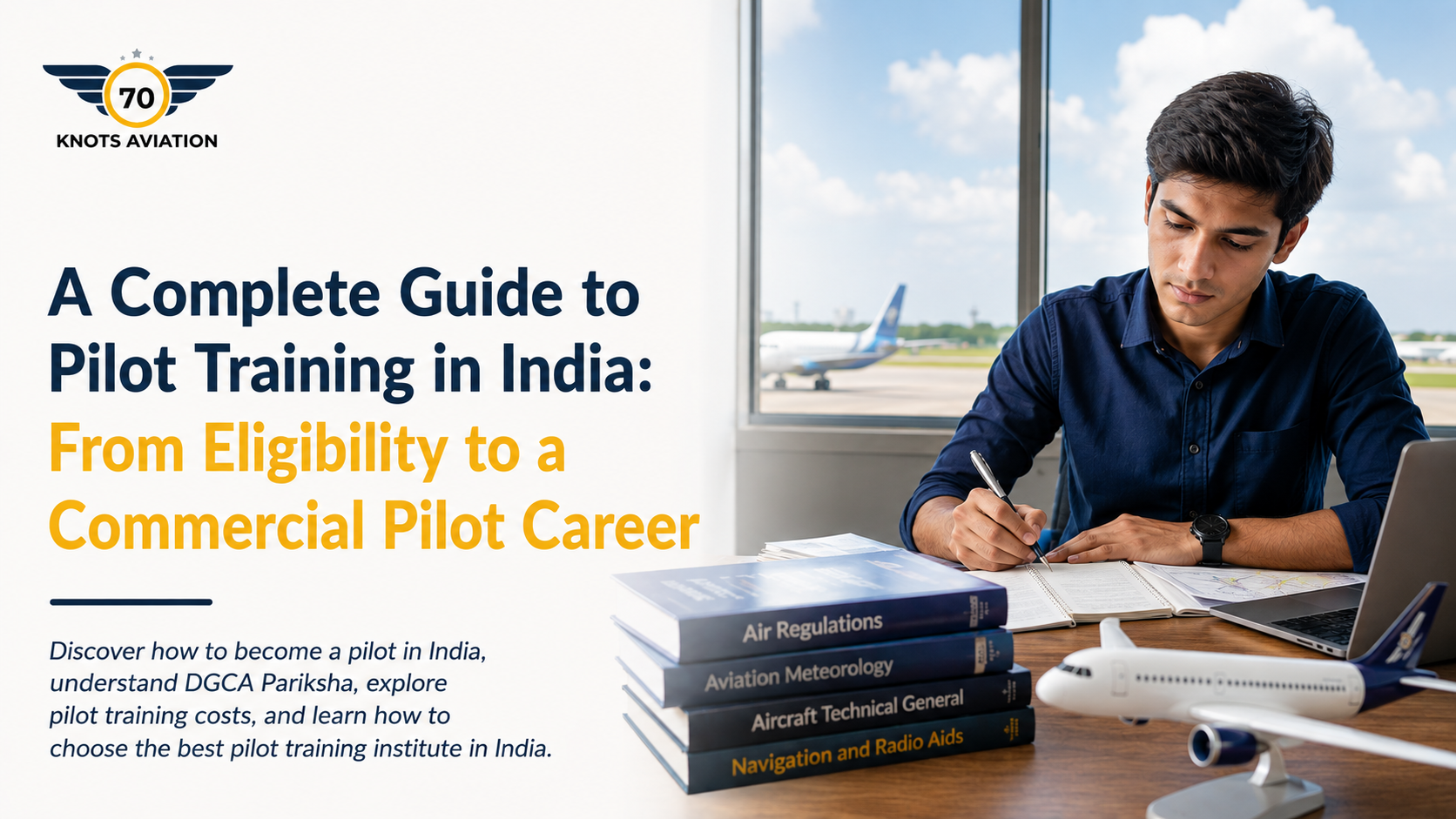
A career in aviation attracts students who enjoy technology, responsibility, travel, and the unique environment of professional flying. However, becoming a commercial pilot requires more than an interest in aircraft. It involves academic preparation, medical fitness, theoretical examinations, practical flight training, and a disciplined approach to learning.
For students researching How to become a pilot, understanding each stage of the journey can make the process easier to plan. From choosing the right training pathway to preparing for aviation examinations, every stage contributes to building the knowledge and skills required of a professional pilot.
Understanding the Pilot Training Journey
Pilot training can be broadly divided into theoretical education, regulatory examinations, and practical flight training. Students should familiarize themselves with the applicable Directorate General of Civil Aviation (DGCA) requirements before beginning their training.
The journey commonly involves:
- Meeting educational eligibility requirements
- Completing the required aviation medical assessment
- Studying relevant ground subjects
- Appearing for applicable DGCA examinations
- Enrolling with an appropriate flight training organization
- Completing the required flight training
- Meeting licensing requirements
- Preparing for future airline or aviation opportunities
Planning these stages in advance can help students manage both their time and finances more effectively.
Educational Preparation for Aspiring Pilots
A strong academic foundation is useful for aviation students. Physics and mathematics are particularly relevant because pilot training involves calculations, aircraft performance, navigation, and an understanding of atmospheric conditions.
Students should also develop good communication skills. Aviation uses standardized terminology and communication procedures, making clear and accurate communication an important professional skill.
Rather than focusing exclusively on marks, students can benefit from developing problem-solving abilities, concentration, situational awareness, and a consistent study routine.
Preparing for DGCA Examinations
Theoretical examinations are an important component of professional pilot training. Students need to develop an understanding of subjects associated with aviation operations and safety.
The DGCA Pariksha process is therefore an important consideration for aspiring pilots. Candidates should carefully review current examination procedures, eligibility requirements, subject information, registration instructions, and other regulatory updates through official sources.
Preparation should ideally begin well before the examination date. Students can divide their syllabus into manageable sections and combine conceptual learning with regular revision and practice.
Important Ground Subjects
Depending on the applicable training and licensing pathway, students may encounter subjects related to:
- Air navigation
- Aviation meteorology
- Air regulations
- Aircraft technical knowledge
- Radio communication
- Flight planning
- Aviation procedures
Understanding these subjects is important because they provide the theoretical foundation behind many decisions made during flight operations.
Practical Flight Training
Once students progress through the required theoretical preparation, practical flight training becomes a central part of their aviation education.
Flight training introduces students to the operational environment of an aircraft. Under instructor supervision, students gradually develop skills related to aircraft handling, navigation, communication, take-offs, landings, and emergency procedures.
The training environment also teaches students the importance of checklists, preparation, situational awareness, and adherence to procedures.
Flight training is progressive. Students are expected to develop their skills step by step rather than attempting to master everything at once.
Understanding Pilot Training Cost in India
Financing aviation education is a major consideration for many students and families. The Pilot training cost in India is not identical across all institutions and can depend on numerous factors.
Potential expenses may include:
- Ground training fees
- Flight training charges
- Aircraft and instructor costs
- Examination fees
- Medical assessment expenses
- Licensing-related costs
- Accommodation and living expenses
- Study materials
- Additional flying hours where required
Training duration can also influence the overall cost. Delays caused by weather, aircraft availability, operational scheduling, or the need for additional training may affect the final expenditure.
For this reason, students should request a transparent fee breakdown before selecting a training provider.
How to Evaluate a Pilot Training Institute
Students frequently search for the Best pilot training institute in India, but selecting a training provider should involve more than looking at promotional claims.
A prospective student should consider several practical factors.
Regulatory Compliance
Verify the current regulatory status and approvals applicable to the training organization. This is one of the most important checks before enrollment.
Training Infrastructure
Students can evaluate the available training infrastructure, aircraft fleet, classrooms, simulators where applicable, and other learning resources.
Instructor Support
Experienced instructors can make a significant difference in a student's learning process. Good instruction combines technical knowledge with practical guidance and constructive feedback.
Aircraft Availability
Consistent access to training aircraft can affect the pace of practical training. Students should understand how scheduling and maintenance are managed.
Fee Transparency
A clear explanation of fees helps students understand the actual financial commitment. Ask specifically about what the advertised package includes and whether additional charges may apply.
The Importance of Safety and Professional Discipline
Safety is fundamental to aviation. Students should develop a professional attitude toward procedures from the beginning of their training.
Aviation training encourages students to:
- Follow standard operating procedures
- Use checklists correctly
- Communicate clearly
- Assess risks carefully
- Learn from instructor feedback
- Maintain situational awareness
- Avoid unnecessary shortcuts
These habits are valuable throughout a pilot's career, not just during flight school.
Building Skills Beyond Flight Training
A successful aviation career requires more than flying ability. Pilots work in environments where teamwork, communication, decision-making, and attention to detail are essential.
Students can therefore work on skills such as:
Communication
Clear communication is important when interacting with instructors, air traffic control, fellow crew members, and aviation personnel.
Decision-Making
Pilots regularly evaluate information and make decisions based on weather, aircraft condition, operational requirements, and other factors.
Time Management
Balancing ground studies, examinations, flight schedules, and personal responsibilities requires effective time management.
Continuous Learning
Aviation regulations, technology, procedures, and operational practices continue to evolve. Professional pilots must remain willing to learn throughout their careers.
70Knots Aviation and Pilot Preparation
70Knots Aviation aims to provide structured aviation education and ground-training support for students preparing for their pilot-training journey. A strong theoretical foundation can help students approach aviation examinations and subsequent flight training with greater confidence.
For an aspiring pilot, selecting training support should involve considering the quality of instruction, learning resources, subject coverage, and alignment with applicable aviation requirements.
Frequently Asked Questions
What is the first step in becoming a pilot?
The first step is to understand the applicable eligibility requirements, including educational and medical criteria, before planning ground and flight training.
Is DGCA Pariksha difficult?
The difficulty can vary from student to student. Consistent preparation, conceptual understanding, revision, and practice can make the examination process more manageable.
What affects pilot training cost in India?
The training organization, aircraft type, location, fuel and operational expenses, training duration, additional flying requirements, examinations, accommodation, and other related costs can influence the overall expense.
How do I find the best pilot training institute in India?
Instead of relying only on rankings, compare regulatory status, instructors, aircraft availability, infrastructure, safety practices, training support, fee transparency, and student experience.
Is aviation meteorology important for pilots?
Yes. Understanding weather conditions helps pilots interpret atmospheric information and make informed operational decisions.
Can students prepare for pilot training before joining a flying school?
Yes. Students can familiarize themselves with aviation terminology, mathematics, physics, communication skills, and fundamental aviation subjects before beginning formal training.
Starting the Journey With the Right Preparation
Becoming a professional pilot is a structured process that requires patience, financial planning, academic preparation, and practical training. Students who understand the requirements early can make better decisions about their education and training pathway.
If you are exploring How to become a pilot, preparing for DGCA Pariksha, researching the Pilot training cost in India, or comparing options for the Best pilot training institute in India, focus on reliable information and evaluate every stage carefully.
Aviation rewards discipline and preparation. Building strong fundamentals from the beginning can help aspiring pilots progress through training with greater clarity and develop the professional habits needed for a long-term career in aviation.

 English
 French
 Spanish
 Portuguese
 Deutsch
 Turkish
 Dutch
Dutch
 Italiano
 Russian
 Romaian
 Portuguese (Brazil)
 Greek
Greek