


orSlow vs Other Japanese Workwear Brands: What Sets It Apart?
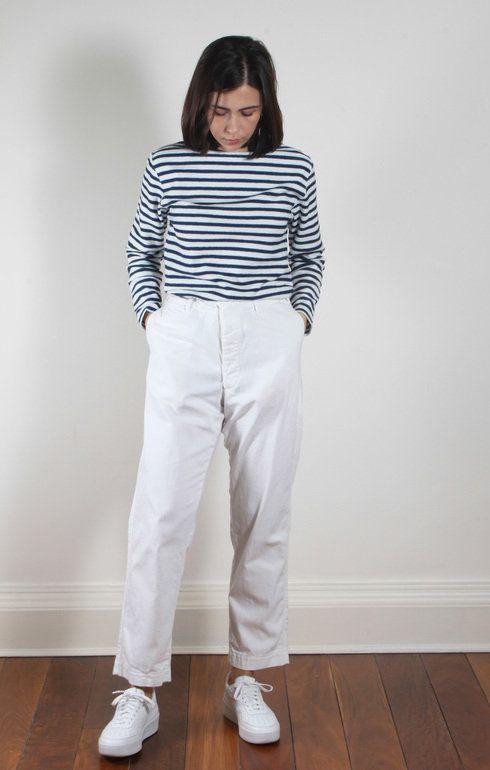
Japanese workwear has earned a loyal following in the USA because it brings together practical clothing, old-school references, and careful attention to fabric and fit. Many labels draw ideas from military uniforms, factory clothing, outdoor gear, and vintage American garments. Yet each label approaches these references in its own way. orSlow stands out because its clothing does not try to look like a costume from another era. Instead, the brand studies older garments and turns those ideas into pieces that feel natural in a modern wardrobe. This approach can be seen across denim, jackets, shirts, and trousers.
For shoppers comparing Japanese workwear brands, the differences often come down to fabric choices, silhouettes, finishing details, historical references, and how easy each piece is to wear. Looking closely at these areas helps explain why orSlow Clothing has become a familiar name among American workwear fans.
What Makes Japanese Workwear Different?
Japanese workwear labels often look beyond current fashion when developing their garments. Designers may study vintage military uniforms, railroad clothing, hunting garments, painter pants, and American work jackets. The goal is not always to copy an old garment exactly. Instead, the design may borrow a cut, pocket layout, fabric weight, or construction idea.
This connection with vintage clothing gives Japanese workwear a distinct visual character. Garments often have roomier cuts, textured fabrics, useful pockets, and colors that become more interesting with wear. Many brands also pay close attention to how fabric changes over time. Denim can develop contrast around areas of movement, while cotton twill can soften after repeated washing. These changes give the clothing a personal appearance.
In the USA, this makes Japanese workwear useful for people who want clothes that can be worn for years rather than pieces designed around one short fashion cycle. orSlow Clothing shoppers often look for this type of long-term appeal when comparing Japanese labels.
orSlow Takes a Study-Based Approach to Vintage Clothing
One of the clearest differences between orSlow and other Japanese workwear brands is the way historical clothing influences its designs. The brand is known for examining vintage garments and military pieces before developing its own versions.
The result is clothing that carries familiar workwear details without feeling like a direct replica. A jacket might have a vintage-inspired pocket shape, while the fit is adjusted for modern everyday use. Trousers may reference military uniforms but offer proportions that work with contemporary footwear.
This balance gives orSlow Clothing a broad appeal. Someone can wear a military-inspired jacket with jeans, sneakers, or a simple sweatshirt without creating an outfit that feels overly themed.
Vintage Ideas With a Modern Fit
Fit plays a major role in this balance. Older workwear can have generous proportions because the original garments were made for physical labor. Modern versions need to work in daily settings such as offices, restaurants, travel, and casual weekends.
orSlow often keeps the visual character of older garments while adjusting proportions for present-day wardrobes. That makes the clothing easier to combine with other pieces.
Small Details Matter
The appeal also comes from small details. Button choices, stitching, pocket placement, fabric texture, and hardware can change the way a garment feels. These details may not stand out from a distance, but they become noticeable when the clothing is worn regularly.
That level of attention helps explain why orSlow has a place among Japanese labels that focus heavily on vintage-inspired design.
orSlow vs Japanese Denim-Focused Brands
Japanese denim is a huge category, and several brands build much of their identity around denim production. These labels may focus on heavyweight denim, selvedge construction, distinctive fades, or traditional shuttle-loom fabrics.
orSlow Clothing also has a strong denim offering, but its identity reaches beyond jeans. The brand connects denim with military clothing, work shirts, fatigue trousers, jackets, and other everyday pieces.
This broader view gives shoppers more ways to build an outfit around one design language. A pair of jeans can sit next to a military-style jacket and a simple cotton shirt without looking out of place.
For someone who wants denim to be the main focus, another Japanese denim label may make more sense. For someone who wants denim to work as part of a wider workwear wardrobe, orSlow USA offers a different direction.
The Role of Fabric
Fabric is another point of comparison. Denim can range from lightweight everyday material to very heavy cloth designed for a more rugged feel. Workwear trousers can also use cotton twill, ripstop, or other sturdy fabrics.
The right choice depends on personal taste. A person living in a warm climate may prefer lighter fabric, while someone in a colder area may appreciate heavier garments.
orSlow Fatigue Pants are a good example of how fabric and military history can come together in an everyday trouser. Their fatigue-pant inspiration gives them a familiar shape, while the styling works with sneakers, boots, and casual shirts.
orSlow vs Military-Inspired Japanese Brands
Military clothing has influenced many Japanese workwear labels. Field jackets, cargo trousers, fatigue pants, flight jackets, and utility shirts appear across the category.
Some brands focus heavily on reproducing military garments. Their appeal often comes from close historical details and a strong connection to specific uniforms.
orSlow takes military references but places them within a larger wardrobe. A military-inspired piece does not have to dominate the outfit. It can sit beside denim, knitwear, canvas footwear, or a plain T-shirt.
This makes orSlow Clothing easier to approach for people who like military design but do not want a full military outfit.
Why Fatigue Pants Remain Popular
Fatigue trousers are one of the best examples of this idea. Their straight or relaxed shape, patch pockets, and sturdy cotton fabric make them practical for everyday use.
orSlow Fatigue Pants can be styled in several ways. Pair them with canvas sneakers and a T-shirt for a relaxed look. Add leather boots and an overshirt when the weather gets cooler. A simple sweatshirt can also work well.
The appeal is easy to understand: the design has history, yet it does not require specialist knowledge to wear.
How orSlow Clothing Compares on Everyday Wear
A major question for shoppers is whether a workwear garment can fit into a normal weekly wardrobe. This is where orSlow Clothing has an advantage in terms of styling flexibility.
A work jacket can be worn over a hoodie. A fatigue trouser can replace chinos. A denim shirt can work with jeans when the shades are different. A relaxed pair of trousers can also balance a cleaner sneaker.
The clothing does not need a head-to-toe workwear approach.
This is especially useful for American shoppers. The USA has a strong casual clothing culture, so garments that can move between different settings have natural appeal.
For orSlow USA customers, this flexibility can make the purchase easier to justify. One pair of trousers may work across several seasons and with many pieces already in the closet.
Fit and Silhouette: A Major Point of Difference
Fit is often the first thing a shopper notices after putting on a garment. Japanese workwear frequently favors relaxed proportions, though the exact shape varies by brand and model.
Some labels offer very wide trousers, while others focus on slimmer cuts. Jacket lengths can also differ greatly. Sleeve width, shoulder construction, rise, and leg opening all affect the final look.
orSlow tends to offer silhouettes that feel relaxed without becoming difficult to style. The proportions can work well with both vintage-inspired outfits and cleaner modern clothing.
Choosing the Right Proportion
If you prefer a classic appearance, a straighter trouser can be a good starting point. If you like a more relaxed outfit, a wider leg can add volume.
The same idea applies to jackets. A shorter jacket can create a clear waistline, while a longer outer layer gives the outfit a softer shape.
When shopping for orSlow Clothing, checking measurements is more useful than relying only on your usual size. Japanese sizing can differ from the sizing used by American brands.
Fabric Aging and the Appeal of Long-Term Wear
One reason people enjoy workwear is the way garments change with use. Cotton softens. Denim develops fading. Twill can show areas of wear. These changes can make a garment feel more personal.
This is not unique to orSlow, but the brand's vintage references make fabric aging feel especially relevant. Many pieces are designed with the character of older garments in mind, so natural wear can add to their appearance.
orSlow Fatigue Pants, for example, can develop a softer feel after repeated use. Their military-inspired design also works well with the casual styling common in American wardrobes.
The same principle applies to denim and outerwear. Instead of expecting a garment to look exactly the same after years of use, many workwear fans enjoy seeing how it changes.
Which Japanese Workwear Brand Is Right for You?
There is no single best Japanese workwear label for every shopper. The right choice depends on what you want from your wardrobe.
If you want heavy denim and care most about fabric and fading, a denim-focused label may be a better fit. If you want close military reproductions, a specialist reproduction brand may appeal more.
If you want vintage references across denim, military clothing, and everyday workwear, orSlow is worth a close look.
The brand also works well for shoppers who prefer simple outfits. A pair of orSlow Fatigue Pants, a plain T-shirt, and sneakers can create an easy everyday combination. A denim jacket and boots can take the same wardrobe in a more rugged direction.
For people shopping from America, orSlow USA searches can also help locate retailers that carry current collections and provide sizing information.
Building an Everyday Wardrobe With orSlow
The easiest way to approach orSlow Clothing is to start with versatile pieces instead of buying an entire outfit at once.
A pair of fatigue trousers can form the base. Add a denim shirt or work shirt, then choose a jacket for colder weather. Sneakers keep the look casual, while boots give it a more traditional workwear feel.
orSlow denim can also become a foundation piece. A straight or relaxed pair can work with sweatshirts, overshirts, field jackets, and simple knitwear.
The same clothing can move through different seasons with small changes. Lightweight shirts can handle warmer months, while jackets and layered tops become useful during fall and winter.
This mix-and-match quality is one reason orSlow USA shoppers may find the brand easy to fit into an existing closet.
What Sets orSlow Apart?
The strongest difference is not one single fabric, fit, or garment. It is the way the brand brings several references together.
orSlow Clothing connects vintage American workwear, military garments, and Japanese attention to detail without making every piece feel like a historical reproduction.
The clothing can look familiar without being predictable. A pair of orSlow Fatigue Pants has clear military roots, but the styling can be completely modern. Denim can carry vintage character while working with contemporary footwear.
That balance gives orSlow a distinct place among Japanese workwear labels.
For American shoppers, this also makes the brand approachable. You do not need to wear workwear from head to toe. One jacket, trouser, or pair of jeans can add a vintage influence to a simple outfit.
FAQs
Is orSlow a Japanese workwear brand?
Yes. orSlow is a Japanese clothing label known for workwear, military-inspired garments, denim, and casual everyday clothing influenced by vintage designs.
Why is orSlow popular in the USA?
The brand combines vintage-inspired designs with wearable modern proportions. Its clothing can fit easily into casual American wardrobes.
Are orSlow Fatigue Pants good for everyday wear?
Yes. Their military-inspired design, practical pockets, and casual shape make them suitable for everyday outfits with sneakers, boots, shirts, and sweatshirts.
Is orSlow only about denim?
No. Denim is an important part of the range, but the brand also produces jackets, shirts, trousers, military-inspired pieces, and other casual garments.
How should I choose an orSlow size?
Check the measurements for the exact garment rather than relying only on your normal size. Compare the garment measurements with a piece you already own for a closer fit.
Final Thoughts
Japanese workwear offers many choices, and each label has its own approach to vintage clothing. Some focus on denim, some concentrate on military reproduction, and others build around specific types of work garments.
orSlow sits in a useful middle ground. Its designs draw from older clothing but remain easy to wear today. orSlow Clothing gives shoppers access to denim, jackets, shirts, and trousers that can work together without requiring a full workwear outfit.

 English
 Arabic
 French
 Spanish
 Portuguese
 Deutsch
 Turkish
 Dutch
Dutch
 Italiano
 Russian
 Romaian
 Greek
Greek