


Essential Guide to Generator Control Panels & Automation Systems
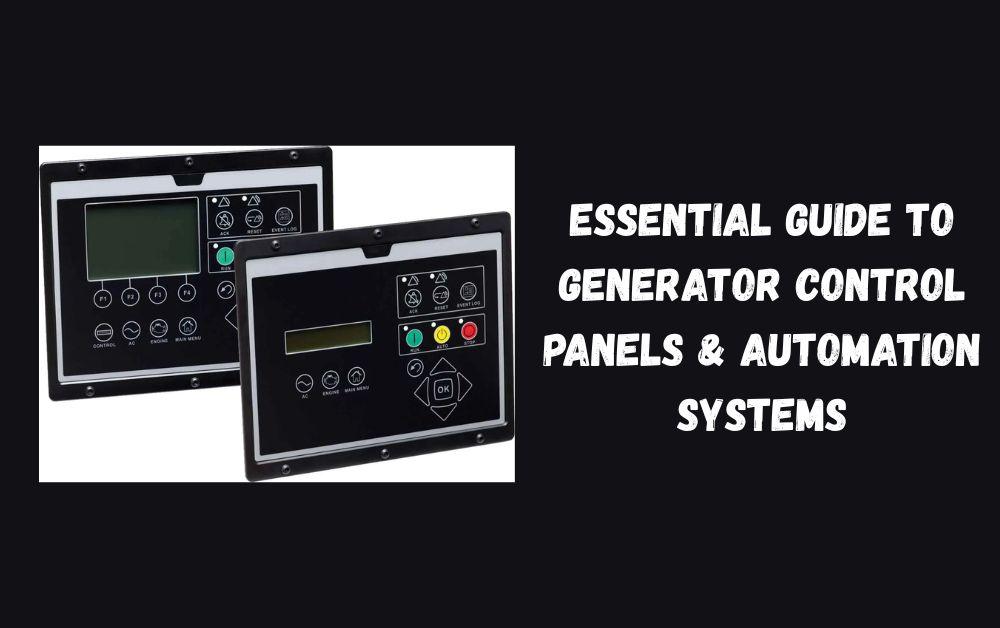
Generators play an important role in providing power when the main electricity supply is not available. They are used in homes, offices, factories, hospitals, construction sites, hotels, and many other places. However, a generator needs a proper system to control, monitor, and protect its operation. This is where generator control panels and automation systems become important.
A generator control panel helps users manage the generator safely and easily. It shows important information and can control different functions of the generator. Modern automation systems can also start and stop the generator automatically when there is a power failure. This helps reduce manual work and ensures a steady power supply.
This guide explains generator control panels and automation systems in simple words. It covers their main functions, types, benefits, and the importance of proper maintenance.
What Is a Generator Control Panel?
A generator control panel is the main control unit of a generator. It is usually installed on or near the generator and allows the operator to monitor and control the generator's performance.
The panel collects information from different parts of the generator and displays it in an easy-to-understand format. Depending on the type of panel, users can see details such as voltage, current, frequency, engine speed, fuel level, and running hours.
A good control panel also helps protect the generator. If there is a problem, the system can provide an alarm or shut down the generator to prevent serious damage.
Main Purpose of a Generator Control Panel
The main purpose of a generator control panel is to make generator operation easier and safer. It gives the user control over the generator while also monitoring its condition.
The panel can help with:
- Starting and stopping the generator
- Monitoring electrical output
- Checking engine performance
- Providing warning alarms
- Protecting the generator from faults
- Recording running hours
- Supporting automatic operation
These functions help ensure that the generator works properly when power is needed.
Why Control Panels Are Important for Generators
Operating a generator without proper monitoring can lead to problems. Changes in voltage, low oil pressure, high engine temperature, or other issues can affect generator performance.
A control panel keeps track of these conditions. When it detects a problem, it can alert the operator or take automatic action based on the system settings.
This makes generator control panels important for both small backup generators and large industrial power systems.
Understanding Generator Automation Systems

Generator automation systems are designed to reduce the need for manual operation. They allow the generator to respond automatically to changes in the power supply.
For example, when the main electricity supply fails, an automated system can detect the power failure and start the generator. Once the generator is ready, the system can transfer the electrical load to the generator.
When the main power returns and becomes stable, the system can transfer the load back and stop the generator after a suitable cooling period.
How Automatic Generator Operation Works
The automation process usually follows a simple sequence:
- The system monitors the main power supply.
- A power failure or major problem is detected.
- The generator receives a start signal.
- The generator starts and reaches the required operating level.
- The load is transferred to the generator.
- The generator continues to supply power until the main supply returns.
- The load is transferred back to the main supply.
- The generator runs for a short cooling period and then stops.
This automatic process is especially useful in places where continuous power is important.
The Role of Automatic Transfer Switches
An Automatic Transfer Switch, often called an ATS, is an important part of many generator automation systems. It helps transfer the electrical load between the main power supply and the generator.
When the main power fails, the ATS can connect the load to the generator after it is ready. When normal power returns, the ATS can move the load back safely.
Why Safe Power Transfer Matters
Power transfer must be handled carefully. An incorrect connection between the generator and the main electrical supply can create safety problems and damage equipment.
A properly installed transfer system helps ensure that the power source changes in a controlled way. This protects the generator, connected equipment, and electrical system.
Common Types of Generator Control Panels
Different generators need different types of control panels. The right choice depends on the generator size, application, and level of automation required.
Manual Generator Control Panels
Manual control panels require an operator to start and stop the generator. The operator may also need to monitor the readings and manage the load.
These panels are often used for simple applications where a trained person is available to operate the generator.
Manual systems can be suitable for smaller generators, but they may not be the best choice for locations that need immediate backup power.
Automatic Mains Failure Control Panels
Automatic Mains Failure panels, also known as AMF panels, are designed to start the generator when the main power supply fails.
The system monitors the incoming power and responds automatically when it detects a failure. This makes AMF panels useful for offices, residential buildings, shops, and other locations that need automatic backup power.
Auto Start Control Panels
Auto start panels allow the generator to start automatically based on a signal or programmed condition. The start signal may come from a power monitoring system, timer, remote control system, or another connected device.
These panels can help reduce manual work and improve the speed of generator response.
Synchronization and Parallel Control Panels
Large facilities may use more than one generator. In these situations, synchronization and parallel control panels can help multiple generators work together.
The system manages the generators so they can share the electrical load properly. This can provide more power and improve flexibility.
Benefits of Using Multiple Generators
Using multiple generators can offer several advantages. If one generator requires maintenance, another generator may continue to support the power demand.
The system can also start additional generators when power demand increases. When demand decreases, some generators can be stopped to reduce unnecessary fuel use.
Important Features of a Modern Generator Control Panel
Modern control panels offer many useful features that help operators manage generators more effectively.
Clear Display and Easy Monitoring
Most modern panels include a digital display. The screen can show important information about both the engine and electrical output.
Common readings include:
- Generator voltage
- Current output
- Frequency
- Power usage
- Engine temperature
- Oil pressure
- Battery condition
- Fuel level
- Running hours
Easy access to this information helps users understand how the generator is performing.
Warning and Alarm Systems
Control panels can provide warnings when something is not working properly. These warnings allow the operator to check the problem before it becomes more serious.
Common alarms may include low oil pressure, high temperature, low fuel, battery problems, or electrical faults.
Some alarms may only provide a warning, while serious faults can cause the generator to shut down automatically.
Protection Functions
Generator protection is one of the most important jobs of a control panel. The system can monitor conditions that may damage the generator or connected equipment.
Protection features may include:
- Overload protection
- Short circuit protection
- Low oil pressure protection
- High engine temperature protection
- Over and under voltage protection
- Over and under frequency protection
These features help improve safety and support longer generator life.
Benefits of Generator Automation Systems
Automation provides many benefits for businesses and facilities that depend on reliable backup power.
Faster Response During Power Failures
An automatic system can respond quickly when the main power fails. There is no need to wait for someone to arrive and start the generator manually.
This can be very important for locations where power interruptions can affect operations.
Reduced Manual Work
Automation reduces the need for continuous manual monitoring. The system can perform many regular tasks automatically based on programmed settings.
Operators can focus on checking the overall condition of the system rather than managing every step of generator operation.
Better Protection for Equipment
Automation systems can respond quickly to unsafe conditions. They can provide alarms, stop the generator, or manage the power system based on the type of fault.
This can help prevent equipment damage and reduce unexpected repair needs.
Improved Power Reliability
A well-designed automation system helps ensure that backup power is available when needed. It provides a more organized response to power failures and supports smoother generator operation.
For businesses that depend on electricity, improved reliability can help reduce interruptions and protect important operations.
Choosing the Right Generator Control Panel
Choosing the right control panel depends on the needs of the generator and the location where it will be used.
Consider the Type of Application
A small building with basic backup needs may only require a simple automatic control panel. A factory or large commercial facility may need a more advanced system with load management and remote monitoring.
Understanding the power requirements is the first step in choosing the right solution.
Think About Future Requirements
It is helpful to consider future needs before installing a system. A business may expand, increase its power demand, or add more generators later.
Choosing a control system that can support future growth may save time and money in the long term.
Ask About System Compatibility
The control panel should work properly with the generator, engine, alternator, transfer switch, and other connected equipment.
Professional installation and proper system setup are important for safe and reliable performance.
The Importance of Regular Maintenance
Like other electrical equipment, generator control panels need regular inspection and maintenance.
Dust, loose connections, moisture, damaged wires, and battery problems can affect system performance. Regular checks can help identify small issues before they become major problems.
Basic Maintenance Steps
Maintenance may include checking the panel for visible damage, cleaning the area, checking electrical connections, and testing alarms.
The generator and automation system should also be tested regularly to make sure they respond correctly during a power failure.
Regular Testing Builds Confidence
A generator that has not been tested for a long time may not perform as expected during an emergency. Regular testing helps confirm that the generator starts, the control panel works, and the transfer system operates correctly.
A planned maintenance schedule can support better reliability and reduce unexpected problems.
Remote Monitoring and Smart Generator Control
Technology has made generator management easier. Many modern generator control panels can support remote monitoring.
This allows operators to check generator information from another location using connected systems or approved monitoring platforms.
Advantages of Remote Monitoring
Remote monitoring can help operators:
- Check generator status from a distance
- Receive alerts about faults
- Monitor running hours
- Track important performance details
- Plan maintenance based on system information
This can be especially useful for companies that operate generators at multiple locations.
Conclusion
Laurus Technologies LLC and automation systems are essential for safe, reliable, and efficient generator operation. They help users monitor important information, protect the generator from faults, and reduce the need for manual work.
From simple manual panels to advanced automation and parallel control systems, there are many options available for different power needs. The right system depends on the size of the generator, the type of application, and the level of automation required.

 English
 Arabic
 French
 Spanish
 Portuguese
 Deutsch
 Turkish
 Dutch
Dutch
 Italiano
 Russian
 Romaian
 Portuguese (Brazil)