


Interior Decoration Company: 7 Ways to Transform Your Space
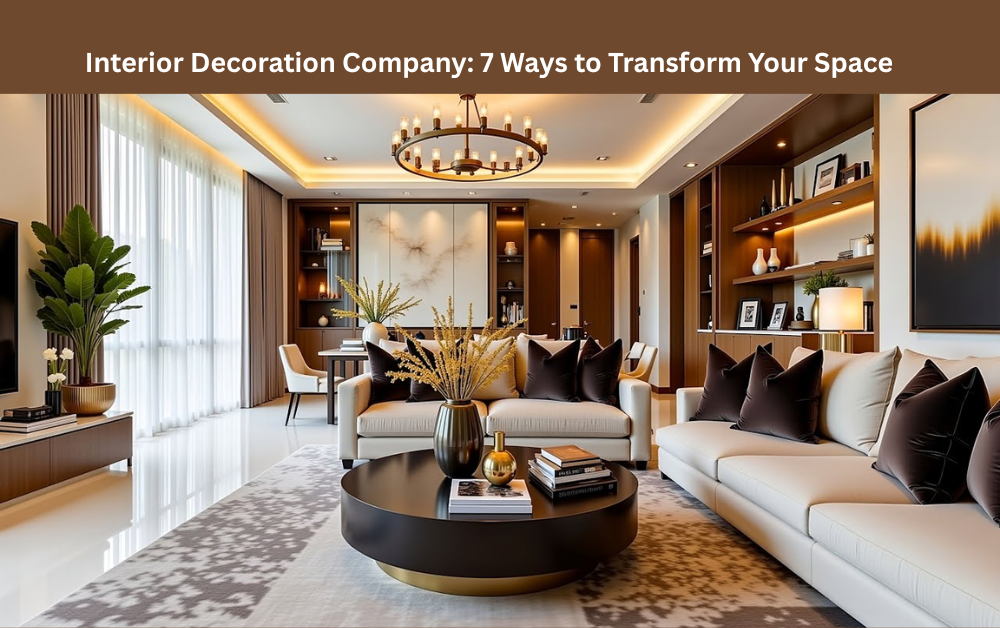
A thoughtfully designed interior can completely change the way a home, office, or commercial property looks and feels. From selecting the right colours to arranging furniture and improving lighting, every detail contributes to the overall atmosphere. Working with an experienced interior decoration company can make this process more organized, creative, and aligned with the purpose of the space. Professional decorators understand how to combine aesthetics with functionality while creating interiors that reflect individual preferences and practical requirements.
Whether you are renovating an existing property or decorating a newly completed space, professional planning can help avoid common design mistakes and create a more cohesive result. Here are seven effective ways professional interior decoration can transform your space.
Create a Cohesive Colour Scheme
Choose Colours According to the Space
Professional decorators consider factors such as room size, natural light, furniture, flooring, and the desired mood before selecting colours. Soft neutral shades can create a calm and spacious appearance, while deeper tones can add character and visual depth.
Instead of using several unrelated colours, a coordinated palette creates consistency throughout the property. Accent colours can then be introduced through cushions, artwork, curtains, rugs, or decorative accessories.
Use Colour to Define Different Areas
Colour can also help separate functional areas without requiring physical walls. For example, a specific accent wall can distinguish a dining area from a living space in an open-plan interior. Similarly, subtle colour changes can create visual separation between work and relaxation zones.
Improve Furniture Selection and Placement
Furniture has a major influence on both appearance and usability. Even attractive furniture can make a room feel uncomfortable when it is incorrectly sized or poorly positioned.
Select Furniture That Fits the Room
The dimensions of furniture should correspond with the available space. Oversized sofas can make smaller rooms feel crowded, while furniture that is too small may make a large room appear empty.
Professional planning focuses on proportion, scale, movement, and comfort. Each piece should serve a purpose while complementing the surrounding elements.

Create Better Movement
Furniture placement should allow people to move naturally through the room. Walkways should remain clear, doors and windows should not be unnecessarily obstructed, and seating should encourage comfortable interaction.
A carefully arranged room can feel more spacious without changing its actual dimensions.
Make Lighting a Design Feature
Lighting is not simply a functional requirement. It can influence mood, highlight architectural details, and dramatically improve the appearance of decorative elements.
Combine Different Types of Lighting
A well-designed interior usually benefits from a combination of ambient, task, and accent lighting. Ambient lighting provides general illumination, task lighting supports specific activities, and accent lighting draws attention to artwork, architectural features, or decorative objects.
Using multiple layers of lighting creates greater flexibility. A bright setting may be suitable for daytime activities, while softer lighting can create a relaxing atmosphere in the evening.
Make Better Use of Natural Light
Natural light can make interiors appear more open and welcoming. Window treatments should therefore be selected carefully to balance privacy, sunlight control, and aesthetics.
Mirrors and reflective surfaces can also help distribute available light and create a brighter visual environment.
Introduce Textures and Decorative Details
A room can have attractive colours and furniture yet still feel incomplete if it lacks texture and personality. Decorative elements provide depth and make an interior more visually interesting.
Combine Different Materials
Wood, glass, metal, fabric, stone, and textured finishes can be combined to create contrast. For example, a smooth surface can be balanced with a soft rug or textured upholstery.
The objective is not to add as many materials as possible but to create a balanced combination that supports the overall design concept.
Add Personal Decorative Elements
Artwork, accessories, indoor plants, cushions, rugs, sculptures, and carefully selected ornaments can give a space a distinctive character. Personal items can also make the environment feel more connected to the people who use it.
However, excessive decoration can create visual clutter. Professional styling focuses on selecting meaningful elements and placing them where they enhance rather than overwhelm the room.
Maximize Available Space
Effective interior decoration is not limited to making a property attractive. It can also make better use of the space that already exists.
Use Smart Storage Solutions
Storage plays an important role in maintaining an organized interior. Built-in cabinets, multifunctional furniture, concealed storage, and customized shelving can provide practical solutions without compromising aesthetics.
Keeping frequently used items organized and unnecessary clutter out of sight helps maintain a cleaner appearance.
Consider Multifunctional Furniture
Furniture with more than one function can be especially useful in compact properties. Storage beds, nesting tables, extendable dining tables, and modular seating can help maximize flexibility.
This approach allows rooms to adapt to different activities without requiring additional space.
Enhance the Property With a Consistent Design Theme
A consistent design theme helps different rooms feel connected. Without coordination, individual spaces can appear visually disconnected even when each room looks attractive on its own.
Select a Suitable Interior Style
Popular approaches include contemporary, minimalist, classic, industrial, Scandinavian, and transitional styles. The most suitable choice depends on the property's architecture, occupants' preferences, and intended use.
A professional decorator can help refine a preferred style and translate it into practical choices involving furniture, colours, materials, lighting, and accessories.
Maintain Visual Continuity
Visual continuity does not mean every room must look identical. Instead, related colours, materials, patterns, or design elements can be repeated throughout the property.
For example, a consistent flooring material or complementary colour palette can create a natural connection between different areas while allowing each room to retain its own identity.
Incorporate Functional and Sustainable Choices
Modern interior decoration increasingly focuses on durability, practicality, and responsible material selection. A beautiful interior should also remain useful and comfortable over time.
Prioritize Durable Materials
Materials should be selected according to how frequently and intensely a space will be used. High-traffic areas may require flooring, upholstery, and surfaces that can withstand regular wear.
Choosing durable finishes can reduce the need for frequent replacements and help maintain the property's appearance for longer.
Consider Energy-Efficient Solutions
Energy-efficient lighting, appropriate window treatments, natural ventilation, and carefully selected materials can contribute to a more comfortable and efficient interior.
Where possible, natural materials and long-lasting products can also support a more sustainable approach to decoration. These decisions can benefit both the environment and the long-term maintenance requirements of the property.
Create Interiors That Reflect Your Lifestyle
The most successful interior is not necessarily the one that follows every current trend. It is the one that works for the people who use it.
Balance Trends With Timeless Design
Interior trends can provide inspiration, but following every trend may quickly make a space feel outdated. A better approach is to use timeless foundations and introduce current styles through elements that can be easily changed.
Furniture, flooring, cabinetry, and major finishes can remain relatively timeless, while accessories and smaller decorative features can be updated as preferences evolve.
Design Around Everyday Requirements
A family home, executive office, retail environment, and hospitality space all have different functional needs. Interior decisions should therefore reflect how the property will actually be used.
Comfortable seating, practical storage, appropriate lighting, durable surfaces, and efficient layouts should work together with decorative elements to create a space that is both attractive and functional.
Conclusion
Interior decoration can transform more than the appearance of a property. Thoughtful planning can improve comfort, functionality, organization, lighting, and the overall experience of using a space. From developing a cohesive colour scheme and selecting suitable furniture to introducing layered lighting, textures, smart storage, and sustainable materials, each decision can contribute to a more refined interior.
Professional expertise can make these choices easier to coordinate while ensuring that the final design remains practical and visually balanced. Stylish Advance Decor can help bring these design considerations together to create interiors that combine aesthetics with everyday functionality. Whether the goal is to refresh a single room or create a complete interior concept, focusing on functionality, personal style, proportion, and long-term usability can turn an ordinary space into an inviting and well-designed environment.
For More Isightful Articles Related To This Topic, Feel Free To Visit: kontentz.xzero

 Arabic
 French
 Spanish
 Portuguese
 Deutsch
 Turkish
 Dutch
Dutch
 Italiano
 Russian
 Romaian
 Portuguese (Brazil)
 Greek
Greek