


Accounting Tasks That Can Be Simplified With Business Software
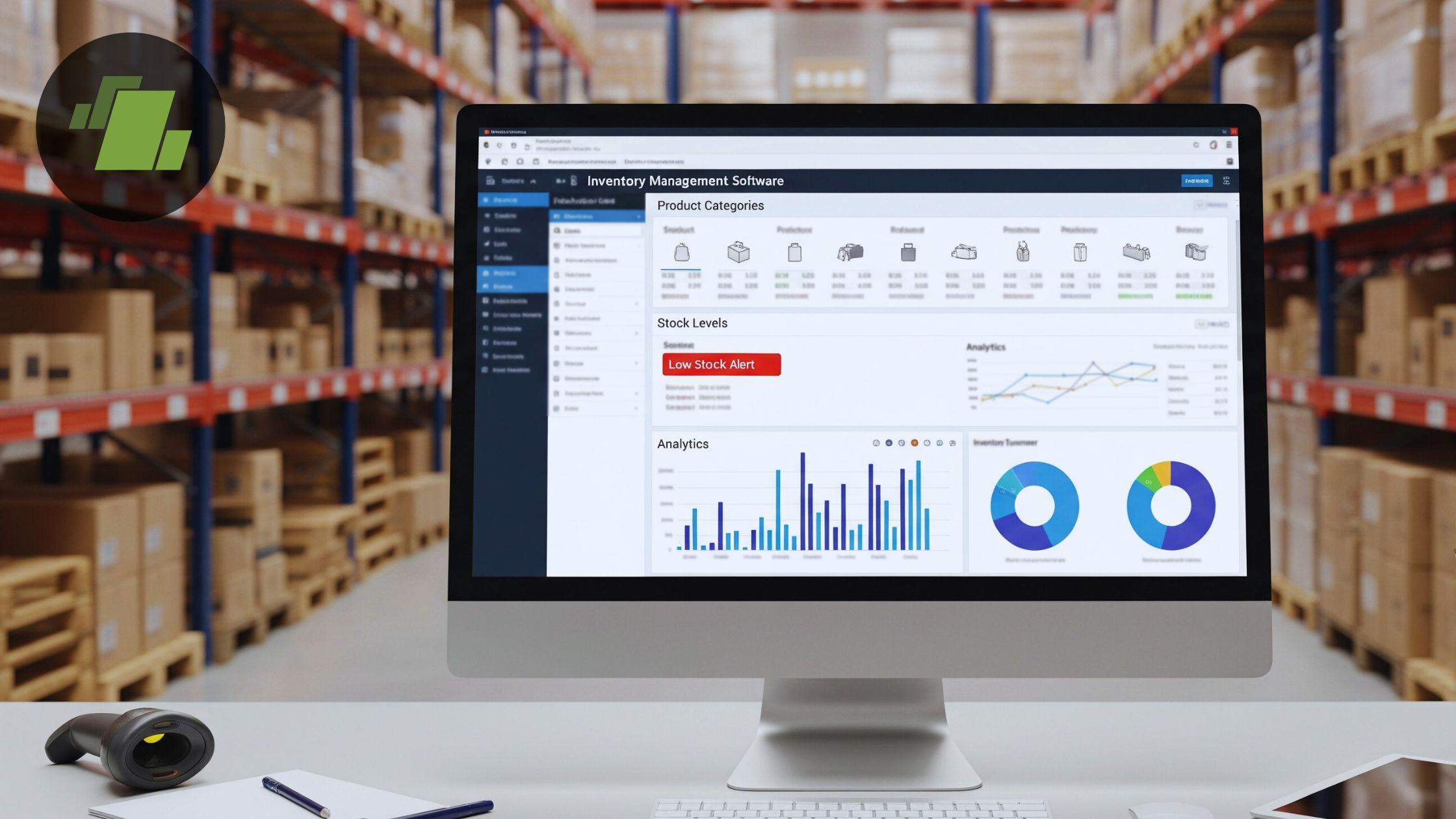
Managing business accounts involves many routine tasks. Recording sales, tracking purchases, monitoring expenses, managing customer payments, checking supplier balances, and reviewing financial records can take significant time when handled manually.
For small and growing businesses, accounting often begins with notebooks or spreadsheets. While these methods may work for a limited number of transactions, they can become difficult to manage as the business grows.
Repeated data entry can lead to mistakes. Important transactions may be missed, records can become inconsistent, and finding old information may take longer than expected.
Using easy accounting software can simplify many routine accounting tasks by organising financial information in a structured system. The goal is not to eliminate financial review or business oversight. Instead, software can reduce repetitive work and make important information easier to record, track, and review.
Here are some of the key accounting tasks that can be simplified with the right business software.
Recording Daily Sales
Every business needs an accurate record of its sales.
When sales are recorded manually, employees may need to write down transaction details and later enter the same information into accounting records. This creates duplicate work and increases the possibility of errors.
Easy accounting software can help connect billing and sales records with accounting information.
When transactions are entered consistently, businesses can maintain more organised sales records without repeatedly entering the same details in different places.
BUSY provides integrated capabilities for billing, sales, accounting, purchases, inventory, and GST-related processes. This can help businesses manage related activities through a connected workflow.
However, employees should still verify transaction details before completing an invoice. Software can process information efficiently, but inaccurate data entered at the beginning can still lead to incorrect records.
Managing Purchase Records
Purchases are another important part of business accounting.
Businesses regularly purchase goods, raw materials, services, or other resources from suppliers. These transactions can affect inventory, supplier balances, expenses, and financial records.
Manual purchase tracking can become difficult when a business works with multiple suppliers.
Easy accounting software can help maintain purchase information in an organised format and connect relevant transactions with accounting and inventory records.
Before recording a purchase, businesses should verify invoices, quantities, and other relevant details.
Accurate purchase records are essential because errors at this stage can affect inventory valuation, supplier balances, and financial reporting.
Tracking Business Expenses
Businesses have many expenses beyond product purchases.
Rent, salaries, electricity, transportation, internet services, repairs, marketing, and office expenses all need to be recorded.
When expenses are tracked inconsistently, it becomes difficult to understand the actual cost of running the business.
The right easy accounting software can help businesses record and categorise expenses in a structured way.
This can make it easier to review spending patterns and identify unusual increases in costs.
However, businesses should establish consistent rules for categorising expenses. If similar expenses are recorded under different categories, financial reports may become less useful.
Managing Customer Payments
Some businesses receive immediate payment for every sale, while others deal with credit transactions, advances, partial payments, or outstanding balances.
Managing these records manually can become confusing.
An accounting system can help connect customer transactions with payment records.
This can make it easier to review outstanding balances and payment history.
BUSY can help businesses manage accounting alongside sales and billing activities, reducing the need to maintain separate records for related transactions.
Businesses should still regularly review outstanding amounts. Recording a payment is not the same as ensuring that the payment was actually received and correctly reconciled.
Keeping Track of Supplier Balances
Supplier payments are a major financial responsibility for many businesses.
Without organised records, a business may lose track of outstanding amounts or payment due dates.
Easy accounting software can help maintain supplier transaction records and make balances easier to review.
This can provide better visibility into upcoming financial obligations.
Businesses should still verify supplier statements and investigate differences when necessary.
Software records are useful, but they depend on accurate purchase and payment entries.
Simplifying Invoice Creation
Creating invoices manually can involve repetitive work.
Employees may need to enter customer information, product details, quantities, prices, discounts, and applicable tax information for every transaction.
An integrated business system can simplify invoice creation by using information already stored in the system.
This can make billing faster and reduce repetitive data entry.
BUSY provides billing capabilities alongside accounting, sales, purchases, inventory, and GST-related processes.
For businesses handling frequent transactions, connecting these activities can improve efficiency and help maintain more organised records.
Connecting Sales With Accounting
One common problem occurs when billing and accounting are handled through separate systems.
An employee may create a sales invoice and then enter the same transaction again into an accounting register or spreadsheet.
This creates unnecessary work.
It also increases the risk that the records will not match.
The right easy accounting software can connect related transactions through an integrated workflow.
When billing, sales, and accounting information are maintained together, businesses can reduce duplicate data entry and improve consistency.
However, businesses should ensure that their workflow and software configuration match their actual accounting requirements.
Managing Inventory Alongside Accounts
For businesses that sell physical products, inventory and accounting are closely connected.
Purchases can increase stock, while sales can reduce available inventory.
When inventory records are maintained separately from financial records, employees may need to perform additional manual updates.
BUSY provides inventory management alongside accounting, billing, purchases, sales, and GST-related processes.
This integrated approach can help businesses maintain connected records.
Regular physical stock verification is still important because software cannot automatically detect damaged, misplaced, missing, or incorrectly counted items.
Recording Different Payment Methods
Businesses may receive payments through cash, UPI, bank transfers, cards, and other methods.
Keeping these transactions organised is important for accurate financial records.
Easy accounting software can help maintain payment information in a structured format based on the business workflow.
At the end of the day, businesses should compare recorded transactions with actual collections and bank or payment records where appropriate.
Any differences should be investigated rather than simply ignored.
A small discrepancy may indicate a billing error, incorrect entry, or another operational problem.
Managing GST-Related Records
For businesses covered by applicable GST requirements, accounting records may need to include relevant tax information.
BUSY provides GST-related capabilities alongside accounting, billing, purchases, sales, and inventory management.
This can help businesses organise relevant transaction records through an integrated system.
However, using easy accounting software does not automatically guarantee GST compliance.
Businesses remain responsible for ensuring that applicable tax rates, registrations, product classifications, and transaction details are correctly configured.
It is also important to stay updated on applicable requirements and regulatory changes.
Tracking Returns and Adjustments
Returns, refunds, discounts, and other adjustments can affect multiple business records.
If these transactions are handled informally, sales, inventory, customer balances, and accounting information may become inconsistent.
A structured accounting system can help businesses record adjustments through a more organised process.
However, businesses should establish clear internal rules for who can approve significant changes.
Employees should understand the correct procedure for handling returns, refunds, cancellations, and stock adjustments.
This reduces the risk of uncontrolled changes to important business records.
Reducing Duplicate Data Entry
One of the biggest benefits of integrated easy accounting software is the ability to reduce repetitive work.
Without connected systems, employees may need to enter the same transaction for billing, accounting, inventory, and reporting.
This takes time and creates additional opportunities for mistakes.
BUSY can help businesses manage accounting, billing, sales, purchases, inventory, and GST-related processes through a connected workflow.
For businesses currently using separate spreadsheets and registers, bringing related activities together can simplify daily record keeping.
The key is to establish one clear process instead of creating new manual workarounds outside the main system.
Making Old Records Easier to Find
Businesses often need to access previous invoices, purchase records, customer transactions, or payment information.
Searching through paper files can take time.
A digital accounting system can help organise records in a searchable format.
This makes it easier to retrieve historical information when required.
Businesses should also consider data backup, user access, and record retention practices.
Digital information is useful only when authorised users can access it when needed and the data is properly protected.
Monitoring Cash Flow
Profit and cash flow are not the same thing.
A business may show sales and profits while still facing difficulties paying suppliers or covering operating expenses.
Regular accounting records can help business owners understand money coming into and going out of the business.
An easy accounting software system can make relevant financial information easier to organise and review.
Business owners should monitor available funds, expected customer payments, upcoming supplier obligations, and major expenses.
This can support better short-term financial planning.
Reviewing Business Performance
Accounting information can help business owners understand how their business is performing.
Sales, purchases, expenses, outstanding balances, and inventory information can provide useful insights.
However, reports are only as reliable as the underlying data.
Business owners should investigate unusual figures instead of assuming that every automated report is correct.
Regular reviews can help identify errors, unexpected expenses, declining sales, or other operational issues earlier.
Managing User Access and Responsibilities
Not every employee needs access to every financial function.
Businesses should clearly define who can create invoices, record payments, modify prices, approve discounts, or make significant adjustments.
Where supported, user access controls can help improve accountability.
The goal is to protect important financial records while allowing employees to complete their routine tasks efficiently.
Clear responsibilities can also make it easier to investigate errors and understand how they occurred.
Supporting Daily, Weekly and Monthly Reviews
Accounting should not be treated as an activity that happens only at the end of the year.
Regular reviews can help businesses identify problems earlier.
Daily reviews may focus on sales and collections. Weekly reviews may include outstanding customer payments, supplier balances, and inventory differences.
Monthly reviews can provide a broader understanding of expenses, profitability, cash flow, and overall financial performance.
The right easy accounting software can make this information easier to access, but businesses still need a consistent review process.
What to Look for in Easy Accounting Software
Businesses should not choose accounting software based only on the word “easy.”
A system may be simple to use but lack the features required for the business.
Before selecting a solution, businesses should consider whether they need billing, inventory management, purchase tracking, payment management, GST-related capabilities, reporting, and user access controls.
BUSY can be a practical option for businesses that want to manage accounting alongside billing, sales, purchases, inventory, and GST-related processes.
Its integrated approach can reduce the need to maintain multiple disconnected systems.
However, the right software depends on the size of the business, transaction volume, industry requirements, number of users, and future growth plans.
Businesses with specialised operational needs should verify whether the selected software edition and configuration support their specific requirements.
Why BUSY Can Be a Practical Option
BUSY can help simplify several routine business accounting activities by bringing related processes into one system.
Instead of maintaining separate tools for accounting, billing, inventory, purchases, and sales, businesses can manage connected transaction information through an integrated workflow.
This can reduce duplicate data entry and make records easier to organise.
However, businesses should evaluate the software using realistic scenarios before making a decision.
Testing sales, purchases, payments, returns, expenses, and inventory transactions can provide a clearer understanding of whether the software fits the actual business workflow.
Final Verdict
Many accounting tasks become more difficult than necessary when businesses rely on disconnected spreadsheets, manual registers, and repetitive data entry.
Daily sales, purchases, expenses, customer payments, supplier balances, invoices, inventory records, GST-related information, and financial reporting can all be easier to manage with the right system.
Easy accounting software can help businesses simplify these routine tasks by organising information and connecting related processes.
BUSY can be a practical option for businesses looking to manage accounting alongside billing, sales, purchases, inventory, and GST-related activities.
However, software should be supported by accurate data, clear internal processes, appropriate employee access, and regular financial review.
The best results come from using technology to reduce repetitive work while maintaining proper control over the financial decisions that still require human attention.

 English
 Arabic
 French
 Portuguese
 Deutsch
 Turkish
 Dutch
Dutch
 Italiano
 Russian
 Romaian
 Portuguese (Brazil)
 Greek
Greek