


What Is Real Estate Tokenization? A 2026 Beginner-to-Advanced Guide
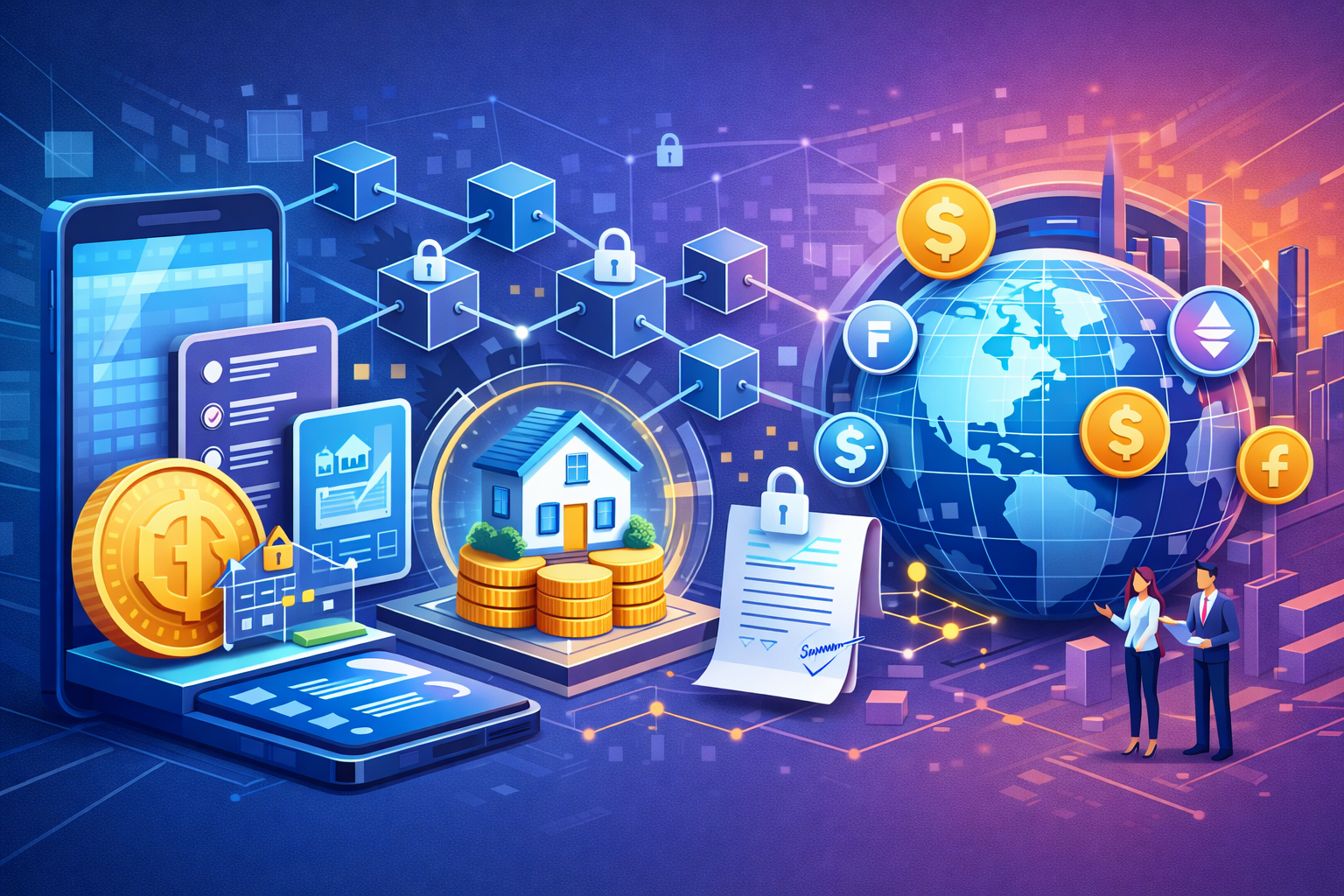
Real estate has long been considered one of the most stable and rewarding asset classes. Yet, traditional property investment has always come with barriers such as high capital requirements, limited liquidity, geographical restrictions, and complex legal structures. In 2026, these barriers are steadily dissolving due to Real Estate Tokenization.
From retail investors seeking fractional ownership to institutions pursuing cross border property exposure, tokenization is redefining how property assets are structured, managed, and traded. This guide takes you from beginner concepts to advanced insights, explaining how Real Estate Tokenization works, why it matters, and how Real Estate Tokenization Platform Development is shaping the future of global property markets.
Understanding the Basics of Real Estate Tokenization
At its core, Real Estate Tokenization is the process of converting ownership rights in a real estate asset into digital tokens recorded on a blockchain. Each token represents a fractional share of a property, whether it is a residential building, commercial office space, warehouse, hotel, or land parcel.
Instead of purchasing an entire property, investors can buy tokens that represent proportional ownership. These tokens may entitle holders to rental income, capital appreciation, or governance rights depending on how the asset is structured.
Blockchain technology ensures that ownership records are transparent, secure, and immutable. Transactions are recorded in a distributed ledger, reducing fraud risks and simplifying verification.
In simple terms, tokenization transforms property into programmable digital assets that can be bought, sold, and managed more efficiently than traditional real estate structures.
How Real Estate Tokenization Works Step by Step
To understand the mechanics, it is helpful to break the process into stages.
First, a property owner or sponsor identifies a real estate asset suitable for tokenization. This could be an income generating commercial building or a residential development project.
Second, a legal structure is created. Typically, the property is placed into a special purpose vehicle. Investors purchase tokens that represent shares in that entity rather than directly owning the physical property.
Third, smart contracts are developed and deployed. These digital contracts automate processes such as dividend distribution, compliance checks, and ownership transfers.
Fourth, tokens are issued through a Real Estate Tokenization Platform. Investors complete onboarding and compliance verification before purchasing tokens.
Finally, tokens may be traded on approved secondary markets, increasing liquidity compared to traditional real estate holdings.
This entire lifecycle is supported by Real Estate Tokenization Services that integrate blockchain infrastructure, regulatory frameworks, investor dashboards, and asset management tools.
Key Benefits of Real Estate Tokenization
Fractional Ownership
One of the most transformative aspects of Real Estate Tokenization is fractionalization. Investors no longer need large sums to access premium properties. Instead, they can invest smaller amounts and diversify across multiple properties.
This democratizes real estate investment and opens global property markets to retail investors.
Increased Liquidity
Traditional real estate transactions can take months to close. Tokenized assets, by contrast, can be transferred digitally, subject to regulatory constraints. While not as liquid as public equities, tokenized properties offer greater flexibility compared to conventional property sales.
Transparency and Security
Blockchain ensures transparent ownership records. Every transaction is recorded and time stamped, reducing disputes and enhancing trust among stakeholders.
Global Access
Investors from different jurisdictions can participate in tokenized offerings, provided compliance requirements are met. This creates a more inclusive and borderless investment environment.
Operational Efficiency
Smart contracts automate processes such as rental income distribution and compliance reporting. This reduces administrative costs and improves operational efficiency for property managers.
The Role of Real Estate Tokenization Platforms
A Real Estate Tokenization Platform serves as the technological backbone of tokenized property ecosystems. These platforms handle asset onboarding, investor management, compliance checks, token issuance, and reporting.
In 2026, advanced platforms integrate features such as identity verification, anti money laundering checks, investor dashboards, portfolio analytics, and automated dividend payments.
The quality of the platform significantly impacts investor trust and regulatory acceptance. As a result, businesses often partner with a specialized Real Estate Tokenization Development company to build secure and scalable infrastructure.
Real Estate Tokenization Platform Development Explained
Real Estate Tokenization Platform Development involves designing and building the technical, legal, and operational framework required to tokenize property assets.
This process includes blockchain integration, smart contract creation, wallet infrastructure, user interface design, and backend management systems. It also requires strong attention to regulatory compliance, as tokenized real estate often qualifies as a security in many jurisdictions.
A reliable Real Estate Tokenization company typically offers end to end solutions including legal structuring, technical development, compliance integration, and ongoing maintenance.
For businesses looking to enter this market, working with experienced providers of Real Estate Tokenization Development Services ensures that both technical and regulatory complexities are handled efficiently.
Legal and Regulatory Considerations in 2026
Regulation is a critical component of Real Estate Tokenization. Most tokenized real estate offerings are treated as securities. This means issuers must comply with securities laws, investor accreditation rules, and disclosure requirements.
In 2026, regulators in many countries have introduced clearer frameworks for digital securities. However, compliance still requires careful structuring.
Key regulatory elements include investor verification, transparent disclosures, custody arrangements, and secondary trading restrictions. Smart contracts must be programmed to enforce these rules automatically.
A reputable Real Estate Tokenization Development company integrates compliance mechanisms directly into the platform architecture, reducing legal risk for asset issuers.
Types of Real Estate Assets Suitable for Tokenization
Real Estate Tokenization can apply to a wide range of property categories.
Residential properties are commonly tokenized for rental income and appreciation potential. Commercial office buildings attract institutional investors seeking stable cash flows. Industrial warehouses and logistics centers are popular due to e commerce growth. Hospitality assets such as hotels offer revenue sharing models tied to occupancy rates.
Development projects can also be tokenized to raise capital from a broader investor base. In such cases, tokens may represent equity or debt participation.
Each asset type requires tailored legal and technical structuring, highlighting the importance of customized Real Estate Tokenization Services.
Advanced Concepts in Real Estate Tokenization
Smart Contracts and Automation
Smart contracts are self executing programs that automatically enforce contractual terms. In tokenized real estate, they can distribute rental income, calculate profit shares, and manage voting rights.
Automation reduces human error and administrative overhead while enhancing transparency.
Secondary Market Integration
One of the major promises of Real Estate Tokenization is improved liquidity. Advanced platforms integrate secondary trading capabilities, allowing investors to transfer tokens within regulated environments.
Liquidity depends on market demand, regulatory permissions, and platform functionality.
Cross Border Investment Models
Tokenization enables investors from different countries to participate in property markets previously inaccessible to them. Compliance layers within platforms ensure that only eligible investors from approved jurisdictions can invest.
This global reach is reshaping capital flows in the real estate sector.
Asset Backed Token Structures
Tokens can represent equity ownership, debt instruments, revenue shares, or hybrid models. Structuring decisions affect investor rights, taxation, and regulatory treatment.
Experienced Real Estate Tokenization Development Services providers guide issuers in selecting optimal structures.
Risks and Challenges to Consider
While Real Estate Tokenization offers significant advantages, it is not without risks.
Regulatory uncertainty remains in some regions. Market liquidity is still evolving and may not match traditional securities markets. Technology vulnerabilities must be mitigated through strong cybersecurity practices.
Investor education is another challenge. Many retail investors are unfamiliar with blockchain based property models, requiring clear communication and transparency.
Choosing a credible Real Estate Tokenization company with a proven track record reduces operational and compliance risks.
How Businesses Can Launch a Tokenized Real Estate Project
Launching a tokenized property offering requires a strategic approach.
The process typically begins with asset selection and feasibility analysis. Next comes legal structuring and regulatory consultation. After that, platform development and smart contract programming are completed.
Investor onboarding systems are implemented, followed by marketing and capital raising campaigns. Post launch, ongoing reporting and asset management are essential.
Businesses often rely on comprehensive Real Estate Tokenization Development Services to manage these steps efficiently and ensure regulatory alignment.
The Impact of Real Estate Tokenization on Traditional Markets
Real Estate Tokenization is not replacing traditional property investment but complementing it. Institutional investors are increasingly exploring tokenized structures for portfolio diversification and operational efficiency.
Developers use tokenization to access new capital pools. Property managers leverage digital tools to streamline operations.
Over time, tokenization may reduce transaction friction, improve transparency, and enhance capital allocation efficiency across global property markets.
Future Outlook for Real Estate Tokenization in 2026 and Beyond
In 2026, Real Estate Tokenization is transitioning from experimental pilot projects to mainstream adoption. Improved regulatory clarity, stronger technological infrastructure, and increasing investor confidence are accelerating growth.
Institutional participation is expanding, particularly in commercial real estate and infrastructure assets. Integration with decentralized finance ecosystems is also emerging, enabling tokenized properties to interact with broader digital financial systems.
As more jurisdictions adopt supportive regulations, the demand for Real Estate Tokenization Platform Development is expected to rise significantly.
Choosing the Right Development Partner
Selecting the right Real Estate Tokenization Development company is a critical decision for businesses entering this space.
Key considerations include blockchain expertise, regulatory knowledge, security standards, scalability, and post launch support. Comprehensive Real Estate Tokenization Services should cover consultation, technical development, compliance integration, and maintenance.
A trusted partner ensures that the platform is secure, compliant, and capable of handling investor growth over time.
Conclusion: From Concept to Transformation
Real Estate Tokenization represents a powerful intersection of blockchain technology and property investment. It lowers entry barriers, enhances liquidity, increases transparency, and opens global markets to broader participation.
For beginners, tokenization offers an accessible path into real estate ownership. For advanced investors and institutions, it provides operational efficiency and innovative capital structures.
As we move deeper into 2026, the evolution of Real Estate Tokenization Platform ecosystems and professional Real Estate Tokenization Development Services is reshaping how property assets are owned, managed, and traded worldwide.
The future of real estate is increasingly digital, fractional, and programmable. Those who understand and embrace Real Estate Tokenization today are positioning themselves at the forefront of a transformative shift in global finance.

 English
 Arabic
 French
 Spanish
 Portuguese
 Deutsch
 Turkish
 Dutch
Dutch
 Russian
 Romaian
 Portuguese (Brazil)
 Greek
Greek