


How to Launch a Successful Home Services Business with an On Demand Handyman App?
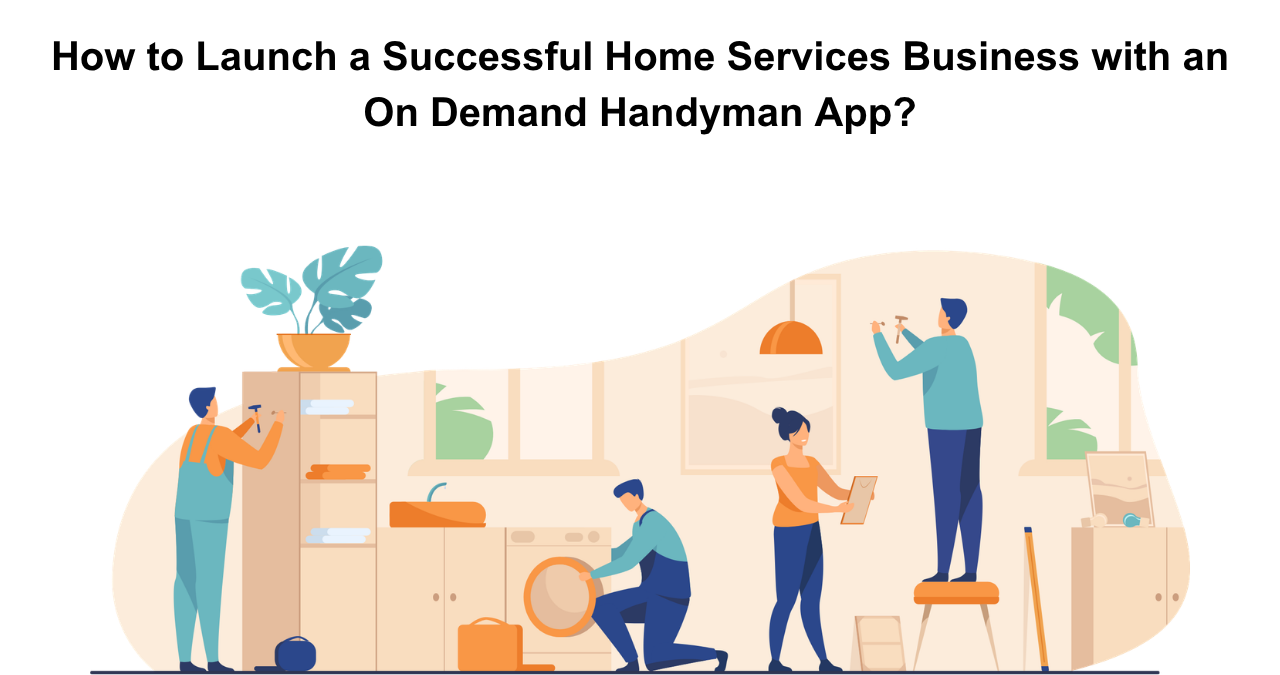
The home services industry is changing rapidly as customers increasingly prefer convenient ways to book trusted professionals for repairs, maintenance, cleaning, installation, and other household tasks. Instead of searching through directories, making multiple calls, or waiting for service providers to become available, customers now expect to discover, book, track, and review services from a single platform.
This shift has created a strong opportunity for entrepreneurs and startups to build digital home service marketplaces. An On Demand Handyman App can connect customers with skilled professionals while helping businesses organize bookings, manage service requests, and create a scalable service marketplace.
The business model has already been validated by popular on-demand platforms. Entrepreneurs can take inspiration from the convenience offered by platforms such as Uber while developing a specialized marketplace for home maintenance and repair services. This is where the concept of a Handyman App Like Uber becomes particularly useful.
Rather than building a service marketplace entirely from scratch, entrepreneurs can use a proven business model and customize it according to their target market, service categories, and business goals.
Why Start a Home Services Business Today?
Homeowners, tenants, property managers, and businesses regularly require professionals for maintenance and repair tasks. These requirements are not limited to one region. They exist across major cities and growing markets worldwide.
Common requirements include:
- Plumbing
- Electrical repairs
- Appliance installation
- Furniture assembly
- Painting
- Carpentry
- Cleaning
- Air conditioning maintenance
- Home appliance repair
- Gardening
- General property maintenance
Traditional methods of finding professionals can be inconvenient. Customers may depend on recommendations, local advertisements, social media groups, or search engines. At the same time, skilled professionals may struggle to consistently find new customers.
A digital marketplace solves this gap by bringing both sides together.
For entrepreneurs, this creates an opportunity to develop a platform focused on convenience, availability, service quality, and customer trust.
What Is an On-Demand Handyman Marketplace?
An on-demand handyman marketplace is a digital platform that allows customers to find and book professionals for different household services.
The basic process is simple. A customer selects a service, provides the required details, chooses a suitable time, and sends a service request. Available professionals can receive the request and accept the job based on their availability and service area.
After the work is completed, the customer can provide feedback and rate the professional.
This model is similar to the operational concept behind ride-hailing platforms, but instead of connecting passengers with drivers, it connects customers with service professionals.
That is why businesses often explore the concept of an Uber Like App For Handyman when entering this market.
How Does a Handyman App Like Uber Work?
A Handyman App Like Uber should make the service booking process simple for customers while giving professionals an efficient way to manage incoming jobs.
The typical workflow includes several stages.
Customer Finds a Required Service
The customer opens the application and browses available categories. They may need a plumber, electrician, cleaner, carpenter, painter, appliance technician, or another professional.
The platform should organize services clearly so customers can quickly find what they need.
Customer Sends a Service Request
Once the customer selects a service, they can provide relevant information about the task, preferred appointment time, and location.
A clear booking process reduces confusion and helps professionals understand the requirement before accepting the job.
Suitable Professionals Receive the Request
Professionals operating within the relevant service area can receive job requests. Depending on the business model, customers may select a professional themselves or the platform can match them with an available service provider.
Professional Accepts the Job
The professional reviews the request and confirms the appointment.
This creates a structured process instead of relying on phone calls or informal communication.
Service Is Completed
The professional visits the customer's location and completes the requested task.
The platform can maintain the booking information so both parties have a record of the service request.
Customer Leaves a Review
After completion, customers can rate and review the professional.
Reviews can help future customers make informed decisions while encouraging professionals to maintain consistent service quality.
Why Build an Uber for Home Services Business Model?
The Uber for Home Services model provides entrepreneurs with a familiar marketplace concept that can be adapted to multiple service categories.
The central idea is simple: customers need a service, professionals provide that service, and the platform facilitates the connection.
This model can work for both individual consumers and businesses.
For example, a homeowner may need a plumber, while a property management company may require recurring maintenance services for multiple properties. A digital marketplace can serve both audiences if the platform is designed around their specific requirements.
An Uber for handyman model can also expand gradually. A business may initially launch with plumbing, electrical work, and cleaning before adding additional categories.
This approach allows entrepreneurs to validate demand before expanding into a larger marketplace.
Key Features to Include in a Handyman App Like Uber
A successful marketplace needs features that address the needs of customers, professionals, and business operators.
Easy Customer Registration
Customers should be able to create an account and manage their basic information without unnecessary steps.
A simple onboarding process can reduce friction and encourage users to complete their first booking.
Service Category Search
Customers should be able to browse or search for services quickly.
Categories can be organized according to the local market. For example, a platform may provide plumbing, electrical work, carpentry, appliance repair, painting, cleaning, and other home maintenance services.
Service Provider Profiles
Customers need confidence before allowing a professional to enter their home.
Professional profiles can display relevant information such as:
- Name
- Service categories
- Experience
- Service areas
- Customer ratings
- Reviews
- Availability
This information helps customers make better booking decisions.
Location-Based Service Discovery
Location is an important part of local handyman services.
Customers generally want professionals who can reach their location within a reasonable time. Location-based discovery can therefore help connect customers with professionals operating in the relevant area.
Booking and Scheduling
Customers should be able to select a convenient appointment time.
Professionals can also manage their availability to avoid unnecessary scheduling conflicts.
Service Request Management
Both customers and professionals should be able to view active and previous service requests.
This creates transparency throughout the service journey.
Notifications
Notifications can keep users informed about booking updates, appointment changes, confirmations, and other important events.
Timely communication is especially important for on-demand services.
Ratings and Reviews
A rating and review system can support marketplace trust.
Customers can share their experience, while professionals can build credibility through positive feedback.
Customer Support
Home services sometimes involve unexpected issues. A support mechanism gives customers and professionals a way to report problems and request assistance.
How to Choose Services for Your Handyman Marketplace
One of the most important decisions for a new home services business is selecting the right service categories.
Entrepreneurs should not simply add every possible service from day one.
Instead, research the target market and identify services with strong demand.
For example, a business entering an urban market may start with:
- Plumbing
- Electrical services
- Cleaning
- Appliance repair
- Carpentry
- Painting
The service portfolio can later expand according to customer demand.
A platform targeting property managers may prioritize recurring maintenance, emergency repairs, electrical services, plumbing, and facility maintenance.
A consumer-focused marketplace may give more attention to household repairs, cleaning, appliance installation, and general maintenance.
The right service mix depends on the market rather than a universal formula.
How an Uber for Handyman Services App Can Create Business Opportunities
An Uber for Handyman Services App can support several marketplace strategies.
Serving Individual Customers
The most common model connects homeowners and tenants with local professionals.
Customers benefit from convenience, while professionals gain access to additional job opportunities.
Serving Property Managers
Property managers often need reliable professionals for ongoing maintenance.
A specialized marketplace can help them organize service requirements across multiple properties.
Serving Businesses
Offices, retail locations, restaurants, hotels, and other businesses also require maintenance services.
This creates opportunities for a platform to move beyond residential customers and develop B2B service relationships.
Supporting Local Service Providers
Many skilled professionals operate independently or through small businesses.
A digital marketplace can help these providers reach customers without depending entirely on traditional advertising or referrals.
How to Build a Strong Handyman Business Brand
Technology alone does not guarantee success in the home services industry.
Trust is one of the most important factors.
Customers are allowing professionals to work inside their homes, so they want confidence in the service provider.
Entrepreneurs should therefore focus on:
- Professional service provider profiles
- Customer reviews
- Clear service information
- Reliable communication
- Consistent customer support
- Transparent booking information
- Quality service standards
A strong brand should communicate reliability rather than simply convenience.
This becomes particularly important when competing with established local providers.
Read More: Kickstart Your Handyman App like Uber: Feature & Cost
Handyman Clone App vs. Building From Scratch
Entrepreneurs entering the home services industry generally have two broad approaches.
The first is developing a marketplace from the ground up. The second is using a handyman clone app based on an established on-demand marketplace model and customizing it for the intended business.
A clone app does not mean simply copying another company's brand or interface. A properly developed solution uses an established business concept as a starting point and adapts the experience for a new business.
This can help entrepreneurs move from an initial business idea toward market launch more efficiently.
A business can define its target audience, service categories, geographical market, operational requirements, and customer experience before customizing the solution.
Why Entrepreneurs Consider Handyman App Development
The growing demand for convenient household services has made handyman app development an attractive opportunity for startups and established service businesses.
Entrepreneurs can use a marketplace approach to bring fragmented local service providers into one digital ecosystem.
Instead of customers searching separately for a handyman plumber, electrician, cleaner, or carpenter, the platform can provide access to multiple categories through one application.
The model can also support expansion into new geographical markets once the business establishes a repeatable operating process.
However, expansion should be based on actual demand, professional availability, service quality, and operational readiness rather than simply adding locations.
How to Launch Your Handyman Business Successfully
Building an application is only one part of launching a home services business.
A successful launch requires a clear business strategy.
1. Identify Your Target Market
Start by deciding who your primary customers will be.
Your audience could include homeowners, tenants, landlords, property managers, businesses, or a combination of these groups.
Understanding your audience helps determine the right services and customer experience.
2. Research Local Demand
Study the services people frequently search for in your target market.
Look at existing providers, customer complaints, service gaps, response times, and areas where professional availability is limited.
This research can help you identify opportunities that existing competitors are not addressing effectively.
3. Select Your Initial Service Categories
Choose a manageable number of categories for the first launch.
Focus on services where you can attract qualified professionals and maintain service quality.
4. Build Your Professional Network
A marketplace cannot operate effectively without service providers.
Recruit qualified professionals before the public launch so customers have sufficient options when they begin booking services.
Professional verification and quality standards should be part of the onboarding process.
5. Define Your Service Area
Start with a focused geographical market.
Launching in one city or a specific region can make it easier to build service provider density and maintain operational control.
Once the marketplace gains traction, the business can expand into additional locations.
6. Create a Simple Booking Experience
The customer should not have to navigate a complicated process to request a service.
Keep the booking journey clear and make important information easy to understand.
7. Promote the Marketplace
Marketing should focus on both sides of the marketplace.
Customers need to know why they should use the platform, while professionals need to understand how joining can help them find more opportunities.
Digital marketing, local search optimization, social media, partnerships, referral programs, and targeted campaigns can all contribute to customer acquisition.
8. Measure Customer Feedback
Early customer feedback can reveal problems that may not be visible during development.
Monitor reviews, cancellations, repeat bookings, complaints, and service completion rates.
Use this information to improve the marketplace continuously.
How to Compete with Existing Home Services Platforms
Entering an established market does not mean trying to become another generic service marketplace.
Your competitive advantage should come from specialization.
For example, you could focus on:
- Faster professional availability
- Specialized home maintenance
- Business and property management customers
- Verified professionals
- Specific service categories
- A particular geographical market
- Recurring maintenance services
- Better customer support
A focused positioning strategy can make a new platform easier to understand and differentiate.
The goal is not to compete with every home service business simultaneously. The goal is to solve a specific customer problem better.
Using a Handyman App Like Uber for Local Markets
A Handyman App Like Uber can be particularly useful in markets where local service providers operate independently.
Instead of replacing existing professionals, the marketplace can bring them together under a digital platform.
For example, a customer searching for a handyman near me app may want to see professionals available in their location, compare profiles, and request a service without contacting multiple providers individually.
This creates value for both sides.
Customers get a convenient discovery and booking experience, while professionals can gain access to a larger customer base.
The model can also be localized according to language, service categories, customer behavior, and regional requirements.
Important Considerations Before Launch
Entrepreneurs should evaluate several factors before launching their marketplace.
Professional Quality
Poor service quality can damage customer trust quickly. Establish clear onboarding and quality standards for service providers.
Customer Trust
Reviews, professional profiles, clear communication, and reliable support can improve customer confidence.
Service Availability
A marketplace needs enough professionals to satisfy customer demand. Recruiting service providers should therefore happen before aggressive customer acquisition.
Market Positioning
Determine what makes your platform different from existing alternatives.
Customer Retention
Acquiring a customer once is not enough. Repeat bookings are important for building a sustainable marketplace.
Expansion Strategy
Expand only after the initial market demonstrates consistent demand and operational stability.
Monetization Opportunities for a Handyman Marketplace
An on-demand home services platform can support different business models depending on its market and customer segments.
Potential approaches can include:
- Commission-based transactions
- Service provider subscriptions
- Lead generation
- Business accounts
- Recurring maintenance services
- Featured professional listings
- Service packages
The best approach depends on the marketplace structure, customer behavior, professional participation, and long-term business objectives.
Entrepreneurs should select a model that supports sustainable growth rather than focusing only on short-term acquisition.
Why a Handyman App Like Uber Can Be Scalable
One major advantage of the marketplace model is its ability to expand across service categories and geographical locations.
A business can start with a limited set of services and gradually add more categories.
For example, a platform may begin with plumbing and electrical services before expanding into cleaning, painting, appliance repair, carpentry, and other home maintenance services.
Once the operating model is proven in one market, the company can evaluate opportunities in additional cities or regions.
This makes the Handyman App Like Uber concept suitable for startups that want to begin with a focused market and build toward a broader service ecosystem.
The Role of Technology in Modern Home Services
Customers increasingly expect digital convenience from service businesses.
They want to discover professionals, request services, receive updates, manage appointments, and provide feedback without depending on lengthy phone conversations.
An On-Demand Handyman Services App can bring these activities together within one customer journey.
For service businesses, digital platforms can also improve visibility and create a more structured method of managing customer requests.
The key is to use technology to solve real operational problems rather than adding unnecessary features.
Future Opportunities in the Handyman Industry
The home services market is likely to become increasingly digital as consumers become more comfortable booking everyday services online.
Several opportunities can emerge from this transition.
Recurring Home Maintenance
Customers may prefer scheduled maintenance instead of waiting until something breaks.
Platforms can support recurring service requirements for homes and properties.
Corporate Maintenance
Businesses require regular repair, cleaning, electrical, plumbing, and maintenance services.
This can create a valuable B2B segment.
Property Management
Landlords and property managers can use digital marketplaces to coordinate services across multiple properties.
Specialized Services
Platforms can expand into specialized categories where customers have difficulty finding qualified professionals.
Multi-Service Marketplaces
A mature platform can combine multiple home services under one marketplace, giving customers a single destination for household requirements.
Final Thoughts
Launching a home services business requires more than simply creating an application. Entrepreneurs need to understand their target market, recruit qualified professionals, select the right service categories, establish customer trust, and create a reliable operational model.
An On Demand Handyman App provides a practical foundation for bringing these elements together in a digital marketplace.
The Handyman App Like Uber model can help startups and established businesses connect customers with local professionals while creating opportunities to expand across services and geographical markets. From plumbing and electrical work to cleaning, repairs, and property maintenance, the model can be adapted to different markets and customer segments.
For entrepreneurs planning to enter this growing industry, working with an experienced clone app development company can reduce the complexity of starting with a proven marketplace concept. A reliable technology partner can help turn the business idea into a customized platform aligned with the company's target audience, service model, and growth strategy.
The opportunity is not simply to build another handyman platform. The larger opportunity is to create a trusted digital marketplace that makes home maintenance services easier to discover, book, manage, and scale.
Frequently Asked Questions
1. What is an On Demand Handyman App?
An On Demand Handyman App is a digital marketplace that connects customers with professionals who provide household repair, maintenance, cleaning, installation, and other services. Customers can use the platform to discover suitable professionals and request services based on their requirements.
2. How does an Uber for Home Services platform work?
An Uber for Home Services platform connects customers who need household services with available professionals. Customers submit service requests, professionals receive relevant opportunities, appointments are managed through the platform, and customers can review the completed service.
3. What is a handyman clone app?
A handyman clone app is a ready-made marketplace solution based on the business concept of established on-demand service platforms. Businesses can customize the solution according to their target market, service categories, branding, and operational requirements.
4. Why should startups consider a Handyman App Like Uber?
A Handyman App Like Uber provides a proven marketplace concept for connecting customers and service providers. Startups can use this model to launch a focused home services business and gradually expand into additional categories or geographical markets.
5. Can a handyman marketplace target B2B customers?
Yes. A handyman marketplace can serve property managers, offices, retail businesses, hotels, restaurants, landlords, and other organizations that require regular maintenance and repair services. A B2B-focused strategy can create additional opportunities beyond individual household customers.

 English
 Arabic
 French
 Spanish
 Portuguese
 Deutsch
 Turkish
 Italiano
 Russian
 Romaian
 Portuguese (Brazil)
 Greek
Greek