


How Does Car Glass Replacement Service Work Today?
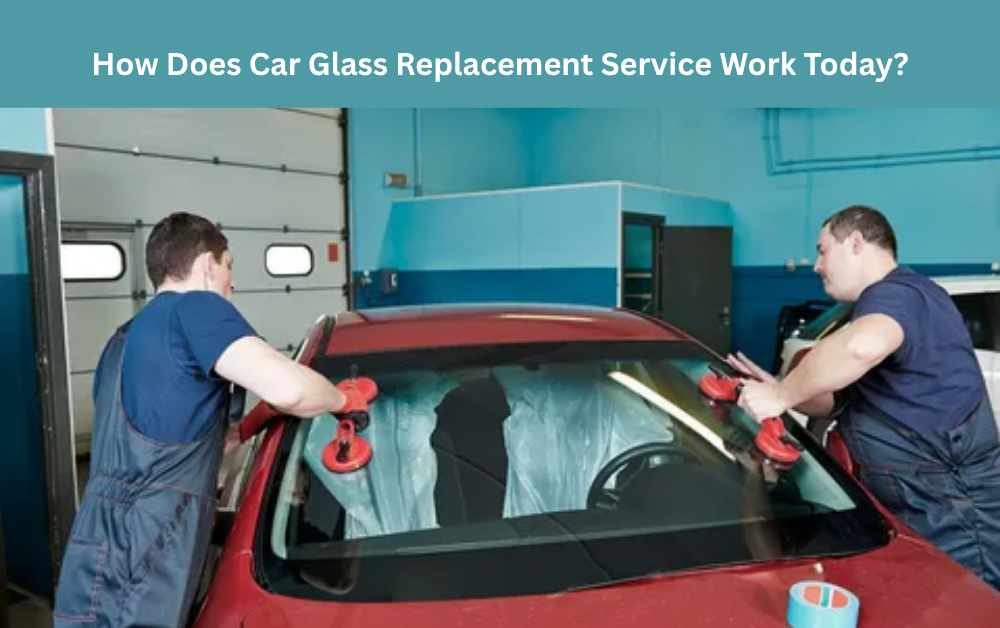
Car glass plays an important role in vehicle safety, visibility, comfort, and structural support. A damaged windshield or broken side glass can affect driving conditions and may become a serious safety concern if the problem is ignored. Modern car glass replacement service has become more efficient, precise, and safety-focused, using advanced tools and installation techniques to restore the vehicle properly.
Understanding how the replacement process works can help vehicle owners make informed decisions when dealing with cracked, shattered, or severely damaged automotive glass.
When Does Car Glass Need Replacement?
Not every glass problem requires complete replacement. Small chips and minor cracks may sometimes be repaired if they meet specific safety and size requirements. However, replacement is generally considered when the damage is extensive, located in a critical area, or has compromised the strength of the glass.
Damage That Usually Requires Replacement
A windshield may need replacement when a crack has become too long or has spread across the glass. Damage directly within the driver's primary viewing area can also affect visibility and may require a new windshield. Similarly, shattered side windows, heavily damaged rear glass, or glass with multiple cracks may not be suitable for repair.
A professional assessment helps determine whether repair or replacement is the safer option.
How Does the Car Glass Replacement Process Work?
Modern replacement follows a structured process designed to ensure proper fit, safe installation, and reliable performance. Although the exact procedure can vary depending on the vehicle and type of glass, the main stages remain similar.
Initial Inspection and Damage Assessment
The process usually begins with a detailed inspection of the damaged glass. The technician evaluates the size, location, and severity of the damage while checking the surrounding frame for additional issues.
Vehicle details may also be verified to identify the correct glass specification. This is particularly important because modern vehicles can have different windshield dimensions, tint levels, sensors, and integrated technologies.
Selecting the Correct Replacement Glass
Choosing the appropriate replacement glass is essential for achieving a secure fit and maintaining visibility. Automotive glass is designed according to specific vehicle models and manufacturing standards.
The replacement may need to accommodate features such as rain sensors, cameras, heating elements, antennas, or other integrated components. Selecting compatible glass helps ensure that these features continue to function correctly after installation.
Removing the Damaged Glass
Once the correct replacement has been identified, the damaged glass is carefully removed. Technicians use specialized cutting and removal tools to separate the glass from the adhesive without unnecessarily damaging the vehicle's body or surrounding components.

This stage requires precision because the frame must remain in suitable condition for the new glass. Any damage or contamination around the bonding area can affect the quality of the installation.
Preparing the Installation Area
After removing the old glass, the technician cleans and prepares the mounting surface. Old adhesive residue is carefully managed, and the area is inspected for rust, damage, dirt, or moisture.
Proper surface preparation is one of the most important parts of the replacement process. A clean and correctly prepared bonding area allows the new glass to attach securely and helps reduce the risk of leaks, movement, or bonding problems.
Installing the New Glass
The new glass is positioned carefully using appropriate equipment and alignment techniques. A specialized automotive adhesive is applied to create a strong bond between the glass and vehicle frame.
Technicians must ensure that the glass is correctly centered and aligned before the adhesive sets. Even a small positioning error can affect sealing, appearance, visibility, or the operation of integrated windshield systems.
What Happens After Installation?
The replacement process does not necessarily end immediately after the new glass is installed. Several checks may be required to confirm that the installation meets safety and performance requirements.
Adhesive Curing Time
Automotive glass adhesives require sufficient curing time before the vehicle can be driven safely. The exact time depends on factors such as adhesive type, temperature, humidity, and manufacturer requirements.
Following the recommended safe-drive-away period is important because moving the vehicle too soon can interfere with proper bonding.
Checking for Leaks and Alignment
Technicians may inspect the newly installed glass for correct alignment and sealing. A water or visual test can help identify potential gaps around the edges.
The surrounding trim and molding are also checked to ensure they are properly positioned and securely fitted.
Recalibrating Safety Technology
Many newer vehicles use cameras and sensors mounted around the windshield for advanced driver-assistance features. These systems may support functions such as lane departure warnings, forward collision alerts, or automatic emergency braking.
When windshield replacement affects the position of these components, recalibration may be necessary. Proper calibration helps ensure that safety systems can interpret road conditions accurately.
Why Professional Installation Matters
Car glass replacement is more than simply removing broken glass and installing a new piece. The windshield can contribute to vehicle structure and may also support the correct operation of airbags and driver-assistance technologies.
Professional installation helps ensure that the glass is fitted correctly, the adhesive is applied appropriately, and the surrounding components are handled carefully. Poor installation can potentially result in leaks, wind noise, improper alignment, or reduced safety performance.
How Can Drivers Prepare for Replacement?
Vehicle owners can make the process easier by providing accurate vehicle information and explaining how the damage occurred. It is also useful to remove personal belongings from the dashboard and front seating area when possible.
After replacement, drivers should follow all technician instructions regarding adhesive curing, vehicle use, cleaning, and operation of safety features.
Final Thoughts
Modern car glass replacement service combines careful inspection, compatible replacement materials, specialized adhesives, precise installation, and safety-system checks. The process has become more advanced as vehicles have incorporated sensors, cameras, and other technologies into automotive glass.
For vehicle owners, addressing significant glass damage promptly is essential for maintaining clear visibility and safe driving conditions. A properly completed replacement can restore the vehicle's appearance while helping preserve its safety, comfort, and functionality. Mr Glass Qatar focuses on providing professional automotive glass solutions designed to meet the needs of drivers seeking dependable replacement and installation services.
For More Isightful Articles Related To This Topic, Feel Free To Visit: kontentz.xzero.co

 English
 Arabic
 French
 Spanish
 Portuguese
 Deutsch
 Turkish
 Dutch
Dutch
 Italiano
 Romaian
 Portuguese (Brazil)
 Greek
Greek