


What Construction Supplies in the Philippines Do You Need to Build a House
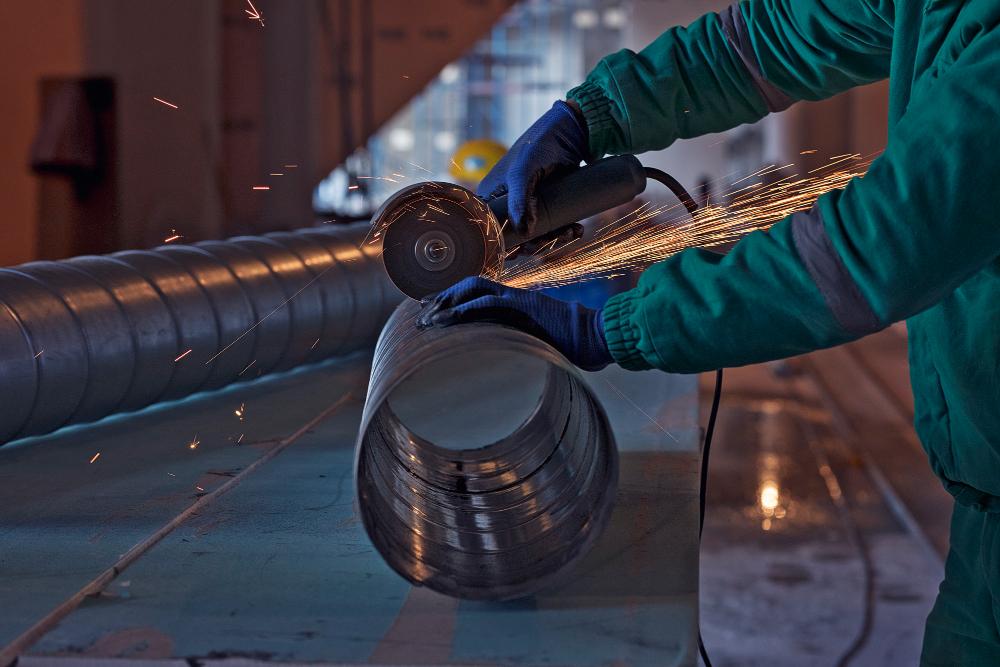
It takes meticulous planning and the right materials to build a house. For this reason, you should source reliable construction supplies in the Philippines for durability and cost efficiency. Without high-grade materials on site, project timelines often suffer from costly delays and unexpected repairs. From steel bars to cement, knowing what you need early saves time and reduces material waste.
Types of Construction Supplies You’ll Need
Steel Bars and Rebars
Steel bars form the skeleton of any concrete structure. They provide tensile strength to withstand pressure and movement. Choose between deformed or plain bars based on your project’s design requirements. Deformed bars, with ridges for better grip, are ideal for reinforced concrete.
Cement and Concrete Mixes
Cement binds materials together, creating strong foundations and walls. Opt for Portland cement for general use or blended mixes for specific conditions. Always check expiration dates to ensure potency. Mix ratios like 1:2:4 (cement:sand:gravel) determine concrete strength for slabs or footings.
Sand and Gravel
Sand and gravel make up the bulk of concrete mixes. Use river sand for smoother finishes and crushed stone for added strength. Ensure materials are free from impurities like clay or silt. Sieve sand before mixing to remove debris that weakens concrete integrity.
Why Quality Matters in Building Materials
Checking Material Standards
Verify certifications like ASTM or PNS for steel and cement. These standards confirm products meet safety and performance benchmarks. Avoid unverified suppliers offering unusually low prices. Request test reports for steel yield strength or cement compressive strength.
Inspecting Deliveries
Physically inspect supplies upon arrival. Look for damaged packaging, moisture exposure, or inconsistent sizing. Keep records of invoices and quality reports for future reference. Test concrete samples for slump and curing time to confirm mix consistency.
Reliable Delivery and Logistics
Planning Timelines
Coordinate deliveries to match your construction schedule. Delays in receiving steel or cement can halt progress and increase labor costs. Confirm lead times with suppliers before placing orders. Factor in holidays or weather disruptions when setting timelines.
Storage Solutions
Store materials in dry, secure areas to prevent damage. Use elevated platforms for cement bags to avoid moisture absorption. Cover sand and gravel piles during heavy rain. Stack steel bars on flat, raised surfaces to prevent rust from ground contact.
How to Choose the Right Supplier
Evaluate Experience and Reach
Work with suppliers who have a proven track record in residential projects. Check their warehouse locations and distribution networks to ensure timely service. Ask for references from past clients to assess reliability.
Compare Pricing and Support
Request quotes from multiple vendors to find competitive rates. Inquire about after-sales support, such as delivery assistance or returns for defective items. Factor in delivery fees and minimum order requirements when comparing prices.
Evaluating Supplier Reliability
Assess a supplier’s ability to handle unexpected issues like stock shortages or transport delays. Ask how they resolve disputes or replace substandard materials. Check online reviews for feedback on delivery accuracy and customer service responsiveness.
Cost-Saving Tips for Material Purchases
Buy in Bulk
Purchase large quantities to get volume discounts. Steel bars and cement often cost less per unit when ordered together. Negotiate payment terms to avoid upfront full payments. Calculate exact project needs to minimize leftover materials.
Reuse and Recycle
Repurpose leftover materials like wood or metal scraps. Donate excess supplies to smaller projects or community initiatives to reduce waste. Crush concrete debris for use as road base or fill material.
Negotiating Payment Terms
Discuss staggered payments tied to delivery milestones. Some suppliers offer discounts for early payments or extended credit for repeat customers. Clarify return policies for unused or damaged items to avoid financial losses.
Understanding Material Grades and Specifications
Steel Grades
Steel bars come in grades like ASTM A615 (Grade 40/60) for varying load requirements. Higher-grade steel allows thinner bars without sacrificing strength. Consult engineers to match grades with structural designs.
Cement Types
Choose Type I for general use, Type II for moderate sulfate resistance, or Type III for rapid curing. Blended cements like Portland-pozzolan mixtures reduce heat release during curing, ideal for large pours.
Aggregate Sizes
Sand fineness modulus (FM) affects concrete workability. Use FM 2.3–3.1 for most mixes. Gravel sizes between 20–40mm suit foundations, while smaller 10–20mm aggregates work for slabs and beams.
Common Procurement Pitfalls and How to Avoid Them
Underestimating Quantities
Order 5–10% extra cement and aggregates to account for wastage. Use construction calculators to estimate precise steel bar lengths for beams and columns.
Overlooking Delivery Constraints
Verify that delivery trucks can access your site. Narrow roads or low overhead wires may require smaller vehicles or manual unloading. Schedule deliveries during off-peak hours to avoid traffic delays.
Quality Verification Risks
Substandard steel can snap under stress, while fake cement fails to harden properly. Always check for PNS or ASTM markings on packaging. Conduct spot tests like the “handful test” for cement: fresh cement should feel smooth, not gritty.
Seasonal and Environmental Considerations
Rainy Season Logistics
Order materials early to avoid flood-related delays. Use waterproof covers for sand and gravel piles. Schedule concrete pours during dry spells to ensure proper curing.
Typhoon Preparedness
Secure loose materials like lumber or scaffolding before storms. Elevate electrical equipment and generators to avoid flood damage. Stockpile critical supplies to last through extended disruptions.
Humidity Effects
High humidity extends cement curing times. Use dehumidifiers in enclosed spaces or adjust mix ratios with accelerators. Store electrical components in dry containers to prevent corrosion.
Key Takeaway
Quality construction supplies in the Philippines determine the safety and longevity of your home. Get certified materials, plan logistics carefully, and choose suppliers with reliable delivery systems. Working with experienced providers keeps your project on track without compromising standards.

 English
 Arabic
 French
 Spanish
 Portuguese
 Deutsch
 Dutch
Dutch
 Italiano
 Russian
 Romaian
 Portuguese (Brazil)
 Greek
Greek