


Digital Printing on Fabric: Process, Benefits, and Applications
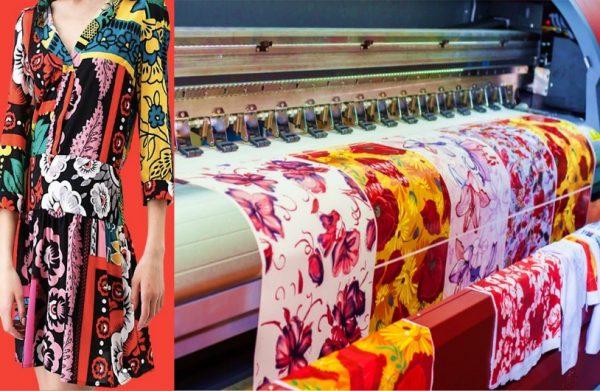
Digital printing on fabric is a modern textile printing method that uses inkjet technology to apply designs directly onto fabric. Instead of preparing physical screens or engraved rollers for every color and pattern, the design is created digitally and transferred to specialized textile printers. This makes the process suitable for detailed artwork, photographic images, gradients, small batches, and customized textile products.
The growing use of digital printing on fabric has changed how textile manufacturers, fashion designers, interior decorators, and small businesses produce printed materials. It allows businesses to move from a digital design to a finished printed textile with fewer preparation stages. Depending on the fabric and ink system, digital printing can be used for clothing, home furnishings, flags, banners, scarves, upholstery, and other textile products.
What Is Digital Printing on Fabric?
Digital fabric printing is a form of direct-to-fabric printing in which a printer deposits tiny droplets of ink onto a textile surface according to a digital image file. The printer controls the position and amount of ink electronically, creating the required colors and details.
Unlike traditional screen printing, digital printing does not normally require a separate screen for each color. A single digital file can contain numerous colors, complex shapes, photographs, and subtle tonal changes.
The printing system must be matched to the fabric. Cotton, polyester, silk, wool, nylon, and blended fabrics can require different ink technologies and finishing treatments. Common textile ink categories include reactive, pigment, acid, and disperse or dye-sublimation inks.
How Does Digital Fabric Printing Work?
1. Preparing the Digital Design
The process starts with artwork created or edited using graphic design software. The file should have suitable dimensions and resolution for the intended print size. Designers also need to consider color management because colors displayed on a computer monitor may not appear exactly the same after printing.
For professional production, test prints are often useful before printing a large quantity. This helps identify issues involving color, scale, positioning, and fabric appearance.
2. Preparing the Fabric
Fabric preparation depends on its fiber content and the selected printing technology. Some materials need pre-treatment so that the ink can bond correctly with the fibers. The fabric may also need to be cleaned, dried, and positioned accurately on the printer.
Proper preparation is important because loose fibers, dust, wrinkles, or unsuitable moisture levels can affect print quality.
3. Applying the Ink
During printing, the machine moves the fabric through the printer while printheads deposit controlled amounts of ink. The printer converts the digital artwork into a sequence of microscopic ink droplets.
Modern machines can produce highly detailed patterns because the printheads control droplet placement precisely. The final appearance depends on the printer, ink, fabric structure, color settings, and printing resolution.
4. Drying and Finishing
After printing, the fabric may require drying, steaming, curing, or heat treatment. The exact process depends on the ink.
For example, reactive dye printing on cotton commonly requires steaming and subsequent washing to remove unfixed dye. Pigment printing generally relies on heat curing to fix the pigment binder to the textile. Dye-sublimation printing uses heat to transfer dye into suitable polyester materials.
Finishing is essential because it affects color durability, washing performance, handle, and overall product quality.
Major Types of Digital Fabric Printing
Reactive Printing
Reactive inks are commonly used with cellulose-based fabrics such as cotton, linen, rayon, and some other suitable fibers. The dye chemically bonds with the fiber during the fixation process.
Reactive printing can produce strong colors and good wash durability when the fabric is properly prepared and processed. It is widely used for fashion and home textiles.
Pigment Printing
Pigment inks can be used on a broad range of fabrics because the colorant sits on the textile surface and is held in place by a binder. This can reduce the need for extensive post-print washing.
Pigment printing is useful when versatility and simplified processing are important. However, fabric preparation and curing conditions strongly influence the final result.
Acid Printing
Acid inks are commonly associated with protein fibers such as silk and wool, as well as certain polyamides. They can produce bright colors and detailed designs, making them useful for products such as silk scarves and specialized fashion textiles.
Dye-Sublimation Printing
Dye-sublimation is mainly used for polyester and polyester-coated materials. Heat converts the dye into a gas, allowing it to penetrate the polyester fibers.
This method is widely used for sportswear, flags, soft signage, displays, and other polyester-based products. Because the color becomes part of the polyester structure, the prints can have good resistance to cracking and peeling.
Key Benefits of Digital Printing on Fabric
Excellent Design Flexibility
Digital printing supports complicated artwork, fine lines, photographic images, and smooth color transitions. Designers can make changes to the artwork without producing new screens or rollers.
This flexibility is particularly useful for fashion collections, custom products, and limited-edition designs.
Suitable for Short Production Runs
Traditional printing methods can become less economical for small orders because of setup requirements. Digital printing can reduce these setup demands, making it practical for samples, prototypes, personalized products, and small production quantities.
Faster Design Changes
A digital file can be edited quickly. Manufacturers can adjust colors, patterns, dimensions, or artwork without rebuilding physical printing equipment.
This helps businesses respond more quickly to changing customer preferences and seasonal collections.
Reduced Material Waste
Digital printing can reduce some forms of setup waste because it does not require physical screens for individual colors. However, the overall environmental impact still depends on the ink system, pre-treatment, washing, energy consumption, fabric choice, and production practices.
Customization
Digital fabric printing is well suited to personalized products. A business can print different names, images, patterns, or designs within the same production workflow. This is useful for custom clothing, interior products, promotional textiles, and made-to-order merchandise.
Practical Considerations Before Printing
Choosing the correct fabric is one of the most important decisions. A design intended for cotton should not automatically be printed using a polyester-specific process. Fiber type, fabric construction, color, weight, and surface finish all affect the result.
The base color also matters. Printing onto white or light fabric generally gives different results from printing onto dark fabric. Some processes require a white ink layer or another specialized approach when bright colors are needed on dark materials.
Color management should also be planned carefully. Designers and printers should use appropriate profiles, calibrated equipment, and test samples where accurate color reproduction is important.
Common Challenges
Digital printing on fabric offers many advantages, but it is not a universal replacement for every printing method. Large-volume orders may still be better suited to conventional printing techniques, depending on the design, equipment, production costs, and required output.
Color consistency can also be challenging. The same digital artwork may look different on two fabric types because fiber structure and ink absorption influence color appearance.
Fabric handling is another concern. Stretching, wrinkles, uneven feeding, and surface movement can cause registration or image-quality problems. Professional equipment and careful fabric preparation help reduce these issues.
Wash durability should also be evaluated when printing garments or household textiles. A visually attractive print is not necessarily a durable print. The correct ink, fixation method, fabric, and washing process must work together.
Frequently Asked Questions
1. What is digital printing on fabric?
Digital printing on fabric is a textile printing process in which specialized inkjet printers apply digital artwork directly to fabric using controlled ink droplets.
2. Which fabrics can be digitally printed?
Many fabrics can be digitally printed, including cotton, polyester, silk, wool, nylon, and selected blends. However, the appropriate ink and finishing process depends on the fiber type.
3. Is digital fabric printing suitable for small orders?
Yes. One of its main advantages is its suitability for samples, customized products, prototypes, and relatively small production runs because extensive screen preparation is generally unnecessary.
4. Is digital printing on fabric durable?
Durability depends on the fabric, ink, pre-treatment, fixation, and finishing process. Properly processed textile prints can provide good resistance to washing, rubbing, and everyday use, although performance varies by application.
5. Is digital fabric printing environmentally friendly?
It can reduce certain types of waste and may require less setup material than some conventional methods. However, its environmental impact depends on factors such as ink chemistry, energy use, fabric production, water consumption during finishing, and waste management.
Conclusion
Digital printing on fabric provides textile businesses and designers with a flexible way to turn digital artwork into detailed printed materials. Its ability to reproduce complex graphics, support customization, and handle short production runs makes it valuable across fashion, home décor, promotional products, and specialized textile applications.
The best results depend on more than the printer itself. Fabric selection, ink technology, artwork preparation, color management, pre-treatment, fixation, and finishing all influence the quality and durability of the finished product. By matching these factors to the intended application, manufacturers can use digital fabric printing efficiently while maintaining consistent and professional results.

 English
 Arabic
 French
 Spanish
 Portuguese
 Deutsch
 Turkish
 Dutch
Dutch
 Italiano
 Romaian
 Portuguese (Brazil)
 Greek
Greek