


A Beginner’s Guide to Learning New Orleans Cooking
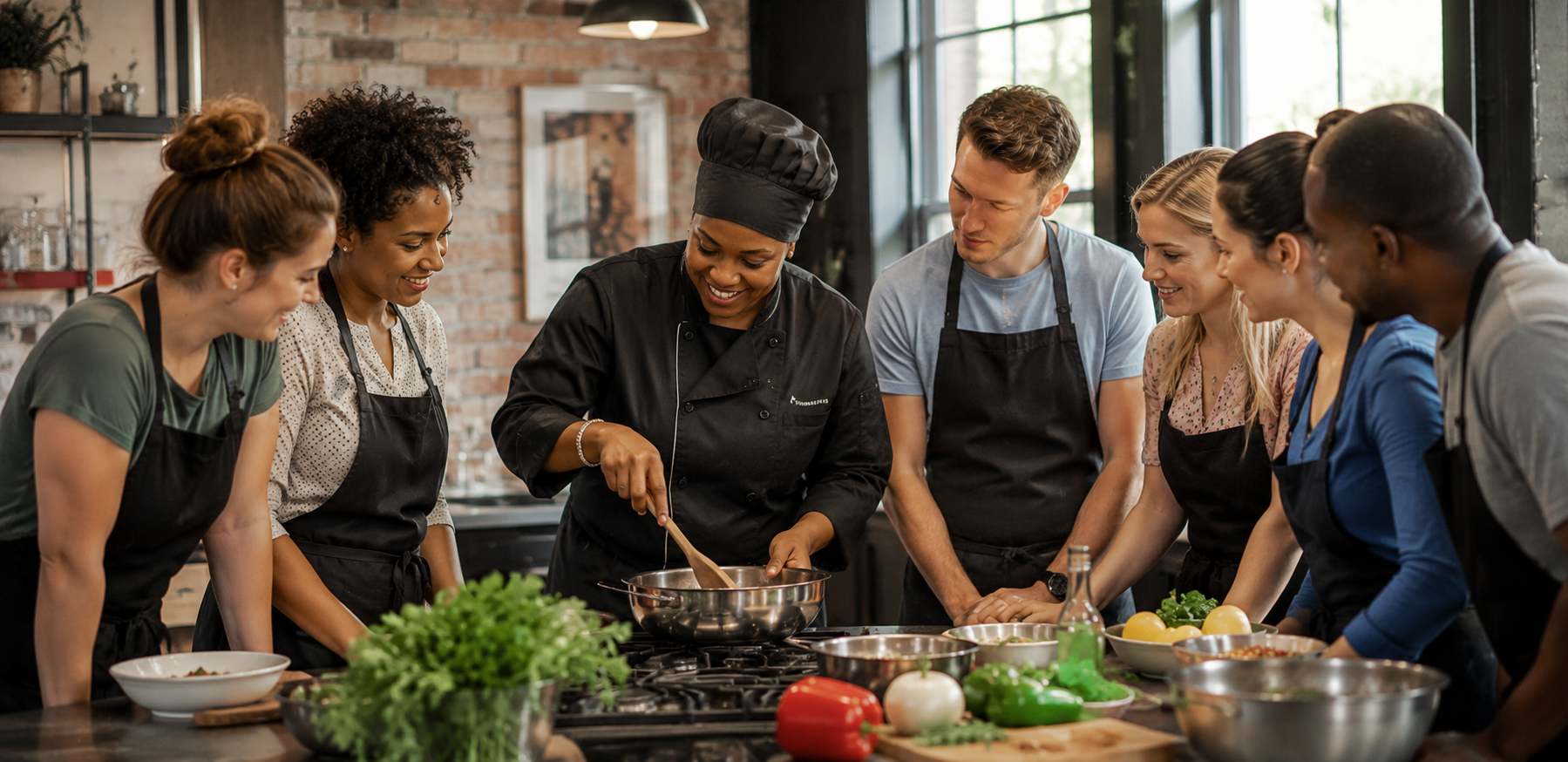
New Orleans is world renowned for its distinct culinary identity, built on centuries of cultural fusion, historic cooking traditions, and vibrant local ingredients. Stepping into a Louisiana kitchen opens up an exciting world of rich gumbos, fragrant jambalayas, crispy praline treats, and perfectly seasoned seafood. For travelers, food enthusiasts, and home cooks alike, learning the fundamentals of authentic Cajun and Creole gastronomy offers a rewarding way to bring the true spirit of the Crescent City into your daily home cooking.
Understanding the difference between Cajun and Creole traditions is the first step on your culinary journey. Creole cuisine is often described as city food, originating in urban New Orleans with French, Spanish, African, and Caribbean influences that emphasize delicate cream sauces, complex stocks, and fresh tomatoes. Cajun cuisine represents country food, born in the bayous of Acadiana with rustic one-pot dishes, bold spices, heavy roux bases, and hearty meats like smoked andouille sausage. Mastering both styles allows you to construct deep, layered flavors while building lifelong kitchen confidence.
When looking to build your confidence and learn authentic local traditions, enrolling in the best cooking classes in New Orleans for beginners provides hands-on instruction guided by passionate local culinary experts. At visitors and cooking enthusiasts gain direct access to professional guidance, interactive stations, and time-tested recipes designed specifically to make complex Southern dishes approachable for all skill levels. Investing time in structured instruction ensures you master essential foundational skills rather than simply following a static recipe book.
Essential Ingredients for Authentic New Orleans Flavor
Every iconic Louisiana dish relies on a sacred foundation of aromatic vegetables, signature spice blends, and specialized pantry staples. Knowing how to select, prep, and combine these elements forms the bedrock of true Southern regional cooking.
The core foundation of almost every Cajun and Creole stew, soup, or braise is known as the Holy Trinity. This trio consists of diced onions, bell peppers, and celery, typically chopped in a precise ratio of two parts onion to one part bell pepper and one part celery. Unlike traditional French mirepoix, which uses carrots, Louisiana cooking swaps in green bell pepper to provide a crisp, slightly bitter note that balances rich animal fats and dark roux bases. Garlic is often added near the end of the aromatic saute, earning it the lighthearted nickname of the Pope.
Beyond fresh produce, keeping a properly stocked Louisiana pantry makes home preparation seamless. Key staples to keep on hand include:
-
Long-grain white rice for absorbing rich gravies, gumbos, and red beans
-
Dried red kidney beans, black-eyed peas, and navy beans
-
Quality smoked meats including andouille sausage, tasso ham, and smoked pork shoulder
-
Cajun spice blends containing cayenne pepper, paprika, garlic powder, onion powder, dried thyme, and black pepper
-
File powder, made from ground sassafras leaves, used to thicken and flavor traditional seafood or chicken gumbos
-
High-smoke-point oils such as vegetable or canola oil paired with high-quality all-purpose flour for building roux bases
By understanding how these elements interact, you can effortlessly balance heat, salt, savoriness, and acidity in every dish you create.
The Art of the Roux: The Foundation of Cajun Dishes
Few culinary techniques are as fundamental to New Orleans cooking as making a proper roux. A roux is simply a mixture of equal parts fat and flour cooked over steady heat. While traditional French cooking uses light roux to thicken white sauces, Cajun and Creole recipes push roux to much darker stages, transforming simple flour into a complex, nutty flavor power engine.
Making a dark roux requires patience, constant stirring, and careful heat management. As the flour cooks in the hot oil, it undergoes the Maillard reaction, gradually shifting in color and aroma. Beginners often fear burning the flour, but practicing temperature control unlocks incredible depth of flavor.
Here is how the four main stages of roux function in Louisiana cookery:
| Roux Stage | Visual Indicator | Flavor Profile | Typical Culinary Use |
| White Roux | Pale, floury appearance | Neutral, light flour aroma | Béchamel, cream sauces, white gravies |
| Blonde Roux | Golden straw color | Mildly toasted, buttery notes | Crawfish étouffée, light seafood stews |
| Peanut Butter Roux | Medium copper brown | Nutty, toasted bread aroma | Creole gumbos, turkey gravies, warm braises |
| Dark Chocolate Roux | Deep rich mahogany | Deeply smoky, nutty, complex flavor | Classic Cajun chicken and sausage gumbo |
As a rule of thumb, the darker a roux becomes, the less thickening power it retains. A dark chocolate roux provides immense flavor and rich color, while a lighter roux yields a thicker overall body. Learning to judge a roux by smell, sound, and visual appearance is one of the most empowering skills any beginner cook can acquire.
Cooking Equipment Every Southern Kitchen Needs
You do not need an expensive commercial kitchen setup to cook incredible Cajun and Creole meals at home. However, having a few sturdy, specialized tools ensures your ingredients cook evenly and develop their proper textures.
A heavy Dutch oven is the single most important investment for Louisiana cooking. Enameled or raw cast iron holds heat efficiently, preventing temperature drops when adding raw vegetables or liquid stock to your hot roux. The thick walls ensure even heat distribution, reducing hot spots that can scorch delicate sauces during long, slow simmers.
Essential equipment for your New Orleans cooking journey includes:
-
10-inch or 12-inch cast-iron skillet for searing meats, frying green tomatoes, and baking golden cornbread
-
Long-handled wooden spoons or flat-edged wooden spatulas for reaching into Dutch oven corners and scraping the bottom continuously during roux preparation
-
Heavy-bottomed 6-quart to 8-quart Dutch oven or stockpot for gumbos, jambalayas, and slow-cooked red beans
-
Sharp chef knife for clean, efficient dicing of the Holy Trinity vegetables
-
Deep-fry or candy thermometer for maintaining precise oil temperatures when frying beignets or seafood
Investing in durable cast iron pays dividends over decades of use. Proper seasoning creates a natural non-stick surface that adds character and heat retention to every meal.
Step by Step Walkthrough for Classic Gumbo
Gumbo stands as the undisputed king of New Orleans comfort food. Building a classic chicken and smoked sausage gumbo teaches you every core skill of Louisiana cooking, from roux creation to simmer management.
-
Gather 1 cup of vegetable oil, 1 cup of all-purpose flour, 1 large diced onion, 1 diced green bell pepper, 3 stalks of diced celery, 4 minced garlic cloves, 1 pound of sliced andouille sausage, 2 pounds of seasoned chicken thighs, and 6 cups of rich chicken stock.
-
Heat the oil in a heavy Dutch oven over medium heat, then whisk in the flour until completely smooth.
-
Stir the flour and oil continuously with a wooden spoon for 20 to 30 minutes until the mixture turns a deep, dark peanut butter or chocolate brown color.
-
Immediately add the diced onions, bell peppers, and celery directly into the hot roux to stop the cooking process and release aromatic flavors.
-
Saute the vegetables inside the roux for 5 minutes until tender, then stir in the minced garlic for 1 minute until fragrant.
-
Slowly pour in the chicken stock while whisking constantly to prevent lumps from forming in the thickened base.
-
Add the sliced andouille sausage, browned chicken thighs, bay leaves, and Cajun seasoning blend, bringing the liquid to a gentle boil.
-
Reduce the heat to low, cover partially, and let the gumbo simmer gently for at least 1 to 1.5 hours until the chicken is fork-tender and the flavors meld together.
-
Skim excess oil from the top, season with salt and cayenne pepper to taste, and serve piping hot over scoops of cooked white rice.
Mastering this sequence gives you a repeatable template that works equally well for seafood gumbos, duck and wild mushroom variations, or green gumbo z'herbes.
Elevating Your Skills Through Interactive Culinary Workshops
Traditional cooking classes often suffer from a passive lecture format where participants merely watch an instructor prepare food from a distance. True culinary education, however, thrives on active participation where students are directly involved in every phase of meal preparation. Engaging all the senses through chopping stirring tasting and seasoning creates deep neural connections that ensure lasting knowledge retention.
During these interactive sessions, students learn essential knife skills that form the bedrock of efficient and safe kitchen work. Understanding how to properly slice dice and mince ingredients not only improves cooking times but also ensures even cooking and optimal texture development in complex dishes. Instructors provide personalized feedback helping participants correct posture grip and blade movement for maximum efficiency.
Furthermore, exploring the science of seasoning teaches cooks how to build flavor progressively throughout the cooking process rather than simply adjusting salt at the end. By understanding how spices interact with fats acids and proteins, participants develop intuitive culinary instincts. This empowerment shifts cooking from a rigid adherence to instructions into a creative and expressive art form.
Fostering Team Bonding And Collaboration Through Group Cooking Events
Food has an extraordinary power to bring people together, breaking down barriers and fostering genuine human connection. In a professional or social setting, shared culinary experiences serve as powerful catalysts for team building cooperation and camaraderie. Collaborative cooking requires effective communication role delegation and synchronized timing mirroring the dynamics of successful teamwork in any environment.
Companies and organizations seeking impactful corporate events often turn to shared culinary workshops as an engaging alternative to traditional meetings or outings. Working together to prep ingredients manage multiple stove burners and plate a final gourmet meal encourages colleagues to interact outside of normal office roles. Laughter shared over minor kitchen mishaps and the ultimate satisfaction of enjoying a delicious meal together create lasting bonds that strengthen team unity.
The Mardi Gras School of Cooking specializes in hosting memorable private and corporate events tailored to groups of various sizes. Whether celebrating a family reunion milestone birthday or corporate achievement, the vibrant French Quarter venue provides an inspiring backdrop for shared celebration. Expert chefs manage the logistics seamlessly ensuring that every guest experiences the warmth of genuine Southern hospitality while collaborating on a feast.
Frequently Asked Questions
What is the main difference between Cajun and Creole cooking?
Creole cooking originated in urban New Orleans and relies on European culinary traditions, often incorporating fresh tomatoes, butter, and rich cream sauces. Cajun cooking developed in rural Acadiana, relying on rustic one-pot methods, heavy vegetable oils, smoked meats, and dark roux bases without tomatoes.
Do I need prior culinary experience to take a New Orleans cooking class?
Not at all. Professional beginner cooking classes are structured specifically for home cooks of all experience levels. Expert instructors walk you step by step through knife skills, spice blending, and roux preparation in a supportive atmosphere.
Can Cajun and Creole dishes be adjusted for dietary restrictions?
Yes. Traditional recipes adapt easily for gluten-free diets by using alternative starches for roux, or vegetarian preferences by utilizing vegetable stocks, smoked paprika, and hearty root vegetables in place of meats.
Why did my roux turn out clumpy or burnt?
Clumpy or burnt roux usually happens from uneven heat or insufficient stirring. Using a heavy Dutch oven, keeping your burner on medium-low heat, and using a flat-edged wooden spatula prevents flour from scorching at the bottom of the pot.
How long can leftover gumbo or jambalaya be stored?
Gumbo and jambalaya store exceptionally well in sealed containers in the refrigerator for up to 4 days. In fact, many locals agree that gumbos taste even better the next day after the complex spices have had time to settle together.
Conclusion
Exploring the vibrant culinary heritage of Louisiana is a journey filled with unforgettable flavors, rich history, and essential cooking techniques. From chopping the Holy Trinity of aromatic vegetables to mastering the perfect dark roux, learning the fundamentals of Cajun and Creole gastronomy empowers you to cook with confidence and creativity.
By focusing on quality ingredients, balanced seasoning, and proper technique, anyone can bring the authentic taste of New Orleans straight into their home kitchen. Taking the time to learn these time-tested traditions ensures your family and guests enjoy rich, soul-warming meals for years to come.

 English
 Arabic
 French
 Spanish
 Portuguese
 Deutsch
 Turkish
 Dutch
Dutch
 Italiano
 Romaian
 Portuguese (Brazil)
 Greek
Greek