


Facial Treatment North York: Understanding Professional Facial Care
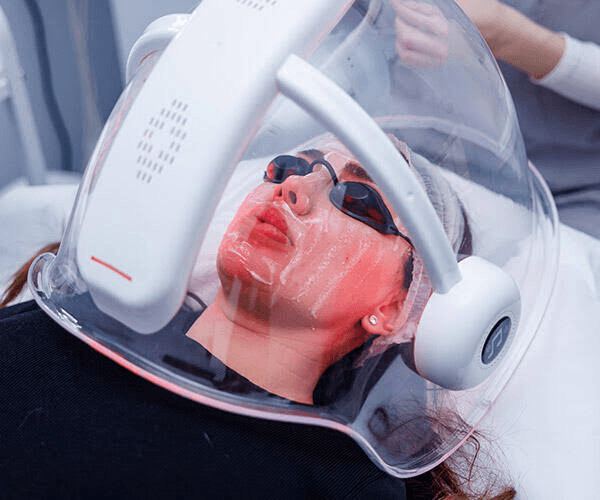
Choosing a Facial Treatment North York service is easier when you understand what your skin needs and what each treatment is designed to accomplish. Professional facials can address concerns such as dryness, excess oil, clogged pores, uneven texture, and a dull appearance. However, there is no single facial that works equally well for every person. Skin type, sensitivity, age, current products, and specific concerns all influence the most suitable option.
A Facial Treatment North York appointment can involve much more than cleansing the face. Depending on the service, a treatment may include skin analysis, exfoliation, extraction, masks, hydration, massage, or specialized products. Understanding these steps can help you select an appropriate treatment and avoid procedures that may be unnecessarily harsh for your skin.
What Does a Professional Facial Involve?
A professional facial is a cosmetic skin-care procedure designed to cleanse and condition the skin. The exact process depends on the treatment and the provider.
Most facials begin with cleansing to remove makeup, sunscreen, oil, and surface impurities. The skin may then be assessed to identify areas of dryness, congestion, sensitivity, or excess oil.
Cleansing and Skin Preparation
Thorough cleansing prepares the skin for subsequent steps. Products are normally selected according to the individual's skin characteristics.
Skin preparation may include gentle warming or other techniques intended to make cleansing and exfoliation more comfortable. Not every person needs heat or steam, particularly if their skin is sensitive.
Exfoliation
Exfoliation removes dead cells from the outer surface of the skin. It may be performed mechanically or with chemical ingredients.
Alpha hydroxy acids and beta hydroxy acids are commonly used chemical exfoliants. The appropriate ingredient and strength depend on skin condition and tolerance.
Exfoliation should be controlled. Excessive exfoliation can contribute to dryness, irritation, peeling, and disruption of the skin barrier.
Extraction
Extraction is sometimes used when blackheads or other forms of congestion are present. Professional extraction should be gentle and controlled.
Trying to forcefully remove clogged pores at home can cause inflammation or damage the surrounding skin. Not every blemish should be extracted, especially when it is inflamed.
Mask and Moisturizer
A facial mask may be selected to provide hydration, absorb excess oil, or soothe the skin. Moisturizer is generally applied afterward to reduce dryness and support the skin barrier.
The products used should be compatible with the person's skin and the other products they use regularly.
Types of Facial Treatment North York Clients May Consider
Different concerns require different approaches. When comparing a Facial Treatment North York service, look at the purpose of the treatment rather than relying only on its name.
Hydrating Facial
Hydrating facials are suitable for skin that feels dry, tight, rough, or dehydrated. They may use ingredients such as glycerin, hyaluronic acid, and other moisturizing compounds.
These treatments can temporarily improve the skin's softness and appearance. Maintaining hydration at home remains essential.
Deep-Cleansing Facial
A deep-cleansing facial typically focuses on removing surface buildup and managing congestion. It may combine cleansing, exfoliation, and carefully performed extractions.
People with oily or combination skin may find this type of treatment useful, although treatment intensity should still be adjusted according to sensitivity.
Exfoliating Facial
Exfoliating treatments focus on removing accumulated dead skin cells. They can make the skin feel smoother and may improve the appearance of uneven texture.
Because exfoliating products can increase irritation when overused, it is important to tell the provider if you already use acids, retinoids, or other active ingredients.
Brightening Facial
Brightening treatments generally focus on improving the appearance of dull or uneven-looking skin. Depending on the service, they may use antioxidants, exfoliating ingredients, or other cosmetic formulations.
A facial may improve overall radiance, but persistent pigmentation concerns can require more targeted professional or medical treatment.
Anti-Aging Facial
Anti-aging facials commonly emphasize hydration, surface texture, and the appearance of fine lines. Products may contain antioxidants, peptides, or other cosmetic ingredients.
Results vary from person to person. A facial can improve the appearance and feel of the skin, but it cannot stop natural aging.
Sensitive Skin Facial
Sensitive skin requires a careful approach. Strong exfoliation, fragrance, excessive heat, or aggressive extraction may cause irritation in some individuals.
If your skin frequently burns, stings, becomes red, or reacts to products, mention this before treatment. A gentler procedure may be more appropriate.
Practical Benefits of Professional Facial Care
A properly selected facial can provide several useful skin-care benefits.
Cleaner Skin
Professional cleansing can remove accumulated makeup, oil, sunscreen, and surface debris that may not be fully removed during a rushed daily routine.
Smoother Texture
Appropriate exfoliation can remove dead surface cells and temporarily improve the feel of rough or uneven skin.
Improved Hydration
Moisturizing products and masks can increase the skin's water content and reduce the appearance of dryness. The effect may be temporary, making regular home care important.
Reduced Surface Congestion
Professional extraction can help with certain types of blackheads and clogged pores. However, pores are normal structures and cannot be permanently closed through a facial.
More Informed Skin Care
A consultation can help identify whether your current skin-care routine is suitable. This can be particularly useful if you are using several active products.
How to Choose the Right Facial
Selecting the appropriate treatment involves more than choosing the most expensive or intensive option.
Identify Your Primary Concern
Start by deciding what you want to improve. Dryness, congestion, dullness, sensitivity, and uneven texture may require different treatment strategies.
Discuss Your Current Routine
Tell the provider which cleansers, moisturizers, exfoliants, retinoids, acne products, or other active ingredients you use. Combining multiple strong treatments can increase the risk of irritation.
Ask About Treatment Intensity
Find out whether the procedure involves strong acids, mechanical exfoliation, extraction, or specialized equipment. Understanding the process helps you make an informed decision.
Consider Professional Experience
Choose a provider who performs a proper consultation and explains the treatment rather than immediately applying products without assessing your skin.
Preparing for Your Facial
Good preparation can reduce avoidable irritation.
Avoid experimenting with multiple new products shortly before an appointment. If your skin is already irritated, sunburned, or damaged, inform the provider before treatment.
Also mention recent waxing, laser procedures, chemical peels, or other cosmetic treatments. The timing of these procedures can affect whether a facial is appropriate.
Arrive with information about known allergies and previous skin reactions.
Aftercare and Maintenance
After a facial, follow the provider's specific instructions. If your skin feels sensitive, keep your routine simple for a short period and avoid unnecessary exfoliation.
Daily sunscreen is particularly important. Broad-spectrum SPF 30 or higher can help protect the skin from ultraviolet radiation that contributes to premature aging and pigmentation changes.
Do not pick, scratch, or aggressively rub the treated skin. Continue using a suitable moisturizer to support the skin barrier.
A professional facial should complement, not replace, a consistent home routine.
Common Challenges and Considerations
Facials are generally cosmetic treatments, but they can cause temporary redness, dryness, or sensitivity depending on the techniques used.
Over-treatment is another concern. More frequent or stronger exfoliation is not automatically better. Skin needs time to maintain and repair its protective barrier.
People with persistent acne, severe inflammation, unexplained rashes, infections, open wounds, or other significant skin problems should consider appropriate medical evaluation. A cosmetic facial is not a substitute for diagnosis or treatment of a medical skin condition.
It is also important to maintain realistic expectations. A single appointment cannot permanently remove wrinkles, eliminate pores, or completely transform skin type.
Key Insights for Better Results
The most effective facial strategy is based on consistency and appropriate treatment selection.
Use a gentle cleanser, a moisturizer suited to your skin, and daily sun protection. Introduce active ingredients gradually instead of combining several strong products at once.
If you notice persistent irritation after a treatment, do not simply repeat the same procedure. Discuss the reaction with the provider and consider whether the products or treatment intensity should be changed.
Seasonal conditions can also affect skin. Cold weather may increase dryness, while heat and humidity can contribute to oiliness and perspiration. Your facial routine may need to change accordingly.
Frequently Asked Questions
1. How often should I receive a facial?
There is no universal schedule. Frequency depends on your skin type, treatment intensity, concerns, and how your skin responds. A professional can suggest a suitable interval after an assessment.
2. Can facials help with acne?
Some facials can help remove surface oil and certain types of congestion. They do not treat every form of acne. Persistent or inflammatory acne may require professional medical care.
3. Are facials suitable for sensitive skin?
Yes, when the treatment is adapted appropriately. Gentle products and limited exfoliation may be preferable. Always discuss known sensitivities before treatment.
4. Can I use exfoliating products after a facial?
It depends on the treatment. If the facial involved significant exfoliation, adding another exfoliant immediately afterward may increase irritation. Follow the recommended aftercare instructions.
5. Is sunscreen necessary after a facial?
Yes. Daily broad-spectrum sunscreen is an important part of skin care. It is particularly useful after exfoliating treatments because the skin may be more sensitive to environmental exposure.
Conclusion
A Facial Treatment North York service can be a practical addition to a regular skin-care routine when the treatment is selected according to individual needs. Hydrating, deep-cleansing, exfoliating, brightening, anti-aging, and sensitive-skin facials each serve different purposes.
The most useful approach is to understand your primary skin concern, discuss your existing routine, and choose a treatment that does not unnecessarily stress the skin. Professional facial care works best when supported by consistent cleansing, moisturizing, and daily sun protection. For persistent or unusual skin problems, appropriate medical advice should take priority over cosmetic treatment.

 English
 Arabic
 French
 Spanish
 Portuguese
 Deutsch
 Turkish
 Italiano
 Russian
 Romaian
 Portuguese (Brazil)
 Greek
Greek