


Understanding the Role of Bed Bug Exterminators in Effective Pest Management
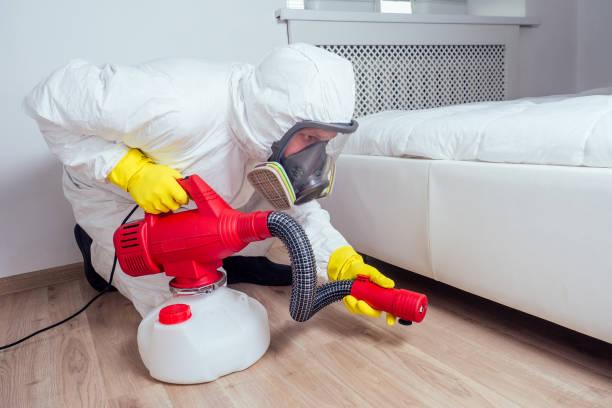
Bed bug infestations can become difficult to manage because these pests hide in small cracks, furniture joints, mattresses, and other concealed areas. Bed bug exterminators are trained professionals who identify infestation signs, determine the extent of the problem, and select suitable treatment methods. Their work generally involves inspection, preparation, treatment, monitoring, and follow-up procedures. In the USA, bed bug problems can occur in homes, apartments, hotels, dormitories, and other occupied spaces. Understanding how bed bug exterminators approach an infestation can help property owners recognize why professional pest management often requires more than a single treatment. Proper identification is important because several insects can resemble bed bugs. A careful inspection helps determine whether bed bugs are present and where activity is concentrated. Treatment may involve heat, carefully selected pesticides, vacuuming, steam, or a combination of methods. Continued monitoring is also important because hidden eggs may survive initial treatment.
What Bed Bug Exterminators Do
Bed bug exterminators specialize in identifying and managing infestations caused by bed bugs. Their work typically begins with a detailed inspection of areas where bed bugs may hide. These locations can include mattresses, box springs, bed frames, furniture, baseboards, cracks, electrical outlets, and other sheltered spaces.
The purpose of an inspection is to confirm the presence of bed bugs and understand how extensively they have spread. Bed bugs are small and can remain hidden during daylight hours, making professional inspection an important part of the process.
Identifying Signs of an Infestation
Bed bug exterminators look for physical evidence rather than relying only on bites. Common signs can include live insects, shed skins, eggs, eggshells, dark fecal spots, and small blood stains on bedding.
Bites alone may not confirm an infestation because skin reactions vary between individuals and can resemble reactions caused by other insects. A professional inspection can help distinguish bed bug activity from other possible pest problems.
Inspection of Different Areas
A bed bug infestation may not remain limited to a bed or bedroom. Bed bugs can move between rooms and may spread through furniture, luggage, clothing, walls, and other objects.
During an inspection, bed bug exterminators may examine sleeping areas first and then expand the inspection to nearby furniture and surrounding spaces. In apartments and other multi-unit properties, neighboring areas may also require attention because infestations can sometimes spread between units.
Common Treatment Methods
Bed bug exterminators may use several treatment approaches depending on the infestation and property conditions. One method is heat treatment, in which affected areas are exposed to controlled high temperatures intended to kill bed bugs at different life stages.
Steam treatment may also be used on suitable surfaces. Vacuuming can help remove visible insects and debris from mattresses, furniture, floors, and cracks.
Chemical treatments may involve registered pesticides applied according to label directions. The choice of treatment depends on factors such as the size of the infestation, location, materials involved, and safety requirements.
Why Preparation Matters
Preparation can have a significant effect on the treatment process. Bed bug exterminators may provide instructions regarding clothing, bedding, furniture, clutter, and other household items before treatment begins.
Reducing clutter can make hidden areas easier to inspect and treat. Bedding and washable fabrics may need to be handled according to specific instructions. Items should not be moved from an infested room to another area without appropriate precautions because movement can contribute to spreading the infestation.
Follow-Up and Monitoring
Bed bug control may require continued monitoring after the initial treatment. Eggs can be difficult to detect, and some treatment methods may not eliminate every stage of the insect during one visit.
Bed bug exterminators may recommend follow-up inspections or additional treatments when necessary. Monitoring can help determine whether activity has stopped or whether surviving insects require further attention.
Preventing Future Infestations
Preventive practices can reduce the likelihood of another infestation. Travelers can inspect luggage and clothing after returning from trips, particularly when staying in hotels or other temporary accommodations.
Secondhand furniture should also be inspected carefully before being brought indoors. Keeping sleeping areas reasonably uncluttered can make future inspections easier. Early attention to suspicious signs can also help prevent a small infestation from becoming more extensive.
Safety Considerations During Treatment
Safety is an important part of professional bed bug management. Bed bug exterminators generally consider people, pets, furniture, ventilation, and treated surfaces when determining an appropriate approach.
Any pesticide should be used according to its product label and applicable regulations. Occupants may need to leave treated areas temporarily depending on the treatment method. Following preparation, treatment, and re-entry instructions can help reduce unnecessary exposure.
Bed Bug Exterminators and Long-Term Management
Managing bed bugs is often a process rather than a single action. Bed bug exterminators combine inspection, identification, treatment, monitoring, and prevention to address different stages of an infestation.
A careful approach is especially important because bed bugs can hide in difficult-to-reach locations and can survive unnoticed for periods of time. Early identification and consistent treatment procedures can make infestation management more organized and effective.
Conclusion
Bed bug exterminators play a specialized role in identifying and managing bed bug infestations in residential and commercial environments. Their work commonly includes detailed inspections, identification of infestation signs, selection of appropriate treatment methods, safety precautions, and follow-up monitoring. Because bed bugs can hide in numerous locations and may spread beyond the initial area, a structured approach is important. Understanding the methods used by bed bug exterminators can help property owners recognize the different stages involved in addressing an infestation and maintaining a cleaner, pest-aware environment.

 English
 Arabic
 French
 Spanish
 Portuguese
 Deutsch
 Turkish
 Dutch
Dutch
 Italiano
 Romaian
 Portuguese (Brazil)
 Greek
Greek