


Mezzanine Floor in a Shed: Maximizing Space and Efficiency
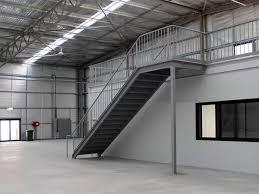
When it comes to optimizing storage and workspace, sheds often present a challenge. Limited floor space can restrict storage, work areas, or even living spaces. Enter the mezzanine floor—a practical and cost-effective solution that transforms your shed from a simple storage unit into a multi-functional space.
What is a Mezzanine Floor?
A mezzanine floor is an intermediate floor installed between the main floors of a building, creating an additional level. In sheds, mezzanine floors allow you to utilize vertical space efficiently, giving you extra room without expanding the shed’s footprint.
Mezzanine floors are popular in industrial, commercial, and residential sheds because they offer:
-
Increased storage capacity
-
Flexible workspace solutions
-
Cost-effective construction compared to full extensions
Benefits of Installing a Mezzanine Floor in a Shed
-
Maximizes Space
Many sheds have high ceilings that go unused. A mezzanine floor takes advantage of vertical space, doubling usable area for storage, workshop zones, or even office spaces. -
Cost-Effective Expansion
Instead of building a larger shed, adding a mezzanine floor is often cheaper and faster. Materials like steel, timber, or modular panels can be used depending on your budget and requirements. -
Enhanced Organization
With a mezzanine, you can segregate areas for storage, work, or machinery. Heavy tools can remain on the ground floor, while lighter items can be stored above. -
Versatility
Mezzanine floors can be designed for multiple purposes:-
Storage mezzanine: For boxes, tools, and inventory.
-
Office mezzanine: A quiet workspace above a busy workshop.
-
Living mezzanine: In garden sheds or cabins, a lofted sleeping area is possible.
-
-
Easy Installation
Modern sheds often come with modular designs that accommodate mezzanine floors. Even in older sheds, steel frames or wooden platforms can be retrofitted without extensive renovation.
Materials Used for Mezzanine Floors in Sheds
The choice of materials affects cost, durability, and aesthetics:
-
Steel: Ideal for heavy-duty storage and industrial sheds. Offers strength, longevity, and can support heavy equipment.
-
Timber: Great for workshops, garden sheds, or residential sheds. Provides a natural look and can be easily customized.
-
Composite Materials: Lightweight, durable, and resistant to moisture or pests—perfect for outdoor sheds.
Key Design Considerations
Before installing a mezzanine floor, consider the following:
-
Height Clearance: Ensure there’s enough headroom on both levels for safe movement.
-
Load Capacity: Calculate the weight the mezzanine will hold. Storage of heavy equipment requires a stronger structure.
-
Access: Include a staircase or ladder that fits your shed layout safely.
-
Lighting and Ventilation: The upper level should have adequate lighting and airflow, especially if used as a workspace.
-
Permits and Regulations: Check local building codes to ensure your mezzanine installation is compliant.
Popular Uses of Mezzanine Floors in Sheds
-
Workshop Organization: Keep tools on the ground and materials upstairs.
-
Inventory Storage: Perfect for small business sheds or garden stores.
-
Home Studio or Office: Create a quiet office or creative space above a busy ground floor.
-
Hobby Area: Use the mezzanine for craft, painting, or woodworking zones.
Conclusion
A mezzanine floor in a shed is more than just a space-saving solution—it’s a game-changer for organization, functionality, and efficiency. Whether you’re looking to expand storage, create a workspace, or add a lofted area for hobbies, a mezzanine floor maximizes your shed’s potential without costly expansions.
Investing in a mezzanine floor is investing in space, flexibility, and convenience—turning even the simplest shed into a versatile, multi-purpose hub.

 English
 Arabic
 French
 Spanish
 Portuguese
 Deutsch
 Turkish
 Dutch
Dutch
 Russian
 Romaian
 Portuguese (Brazil)
 Greek
Greek