


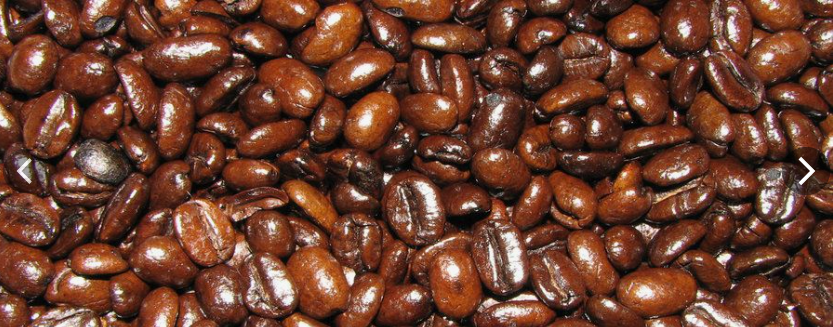
When shopping for gourmet specialty coffee, coffee enthusiasts often encounter vast price differences and confusing labeling. Many commercial brands use clever marketing to sell cheap filler beans mixed with a tiny fraction of authentic Hawaiian coffee. To ensure you experience the genuine flavor profile, you must understand the distinction between pure origin coffee and commercial blends, as well as the grading systems established by local agricultural authorities.
Understanding where to purchase your coffee is just as critical as knowing what to look for. Authentic local farms such as Buddha Cup offer direct access to estate grown, hand selected coffee harvested directly from the lush slopes of Holualoa. Selecting authentic Hawaiian Kona coffee beans directly from dedicated local growers guarantees that you receive peak freshness, complete traceability, and unmatched craft quality in every single cup you brew.
Understanding the Unique Terroir of the Kona Coffee Belt
The unique geography of the Big Island creates the ideal natural environment for cultivating world class arabica coffee trees. The Kona Coffee Belt is a narrow strip of land situated on the western slopes of two massive volcanoes, running roughly thirty miles long and two miles wide. Within this precise elevation zone, sunny morning skies give way to gentle afternoon cloud cover and light tropical rain showers, protecting the delicate coffee cherries from intense afternoon heat.
Rich volcanic soil provides an abundance of natural minerals, allowing the coffee plants to thrive with deep root systems. The natural elevation, ranging from eight hundred to two thousand five hundred feet above sea level, promotes slow cherry development. This extended ripening period concentrates the sugars within the fruit, producing complex flavor notes ranging from milk chocolate and toasted macadamia nuts to subtle floral undertones.
Because the terrain on these volcanic slopes is steep and rugged, traditional heavy machinery cannot be utilized for agricultural work. Every stage of cultivation requires careful human touch, from pruning the shade trees to hand picking only the deep red cherries at peak ripeness. This labor intensive process ensures that green cherries are left on the branch to mature, resulting in superior uniformity and flavor depth.
The Critical Difference Between Pure Kona Coffee and Blends
One of the most essential aspects of buying specialty coffee is recognizing the legal difference between pure origin coffee and commercial blends. Under Hawaiian law, any package labeled as a Blend is only required to contain a minimum of ten percent authentic local beans. The remaining ninety percent usually consists of lower grade, mass produced commodity beans sourced from other countries around the globe.
Commercial blends are created primarily to lower production costs while using a famous name to attract consumers. While these products are significantly cheaper, they completely dilute the delicate, smooth flavor profile that makes authentic Hawaiian coffee famous. Drinking a ten percent blend offers virtually none of the subtle notes, natural sweetness, or velvety mouthfeel of genuine estate grown beans.
To ensure you are purchasing genuine quality, always examine the packaging closely for clear labeling. Look for precise phrases such as One Hundred Percent Kona Coffee or Single Estate Coffee on the bag. Trusted estates like Buddha Cup guarantee that every bag contains pure, unadulterated coffee harvested directly from their private high elevation orchards.
Deciphering Official Hawaii Department of Agriculture Coffee Grades
The Hawaii Department of Agriculture maintains strict regulatory standards to classify raw green coffee beans before they are roasted. These official grades are assigned based on bean size, shape, moisture content, and the total number of physical defects per sample. Knowing these technical grade designations empowers buyers to choose the exact quality level that matches their personal taste and brewing preferences.
| Official Grade | Bean Size Screen Size | Flavor Profile Characteristics | Defect Tolerance |
| Extra Fancy | 19 plus | Exceptionally smooth, rich aroma, floral notes | Minimal to zero defects |
| Fancy | 18 plus | Well balanced, delicate sweetness, medium body | Extremely low defect count |
| Number One | 16 plus | Nutty undertones, clean finish, vibrant acidity | Standard specialty allowance |
| Peaberry | 10 to 13 round | Concentrated sweetness, bright citrus, dense body | High uniformity standards |
Extra Fancy represents the highest commercial grade available, featuring the largest, most flawless beans harvested during the peak season. Fancy and Number One grades also offer exceptional quality and balance, making them superb choices for daily drip brewing or pour over methods. Understanding these designations ensures that you receive full value for your investment in premium Hawaiian coffee.
The Secret Advantage of Brewing Rare Kona Peaberry Beans
Among the various grades of specialty coffee, Peaberry holds a legendary status among roasters and coffee connoisseurs worldwide. Normally, a standard coffee cherry yields two flat sided beans facing each other inside the fruit. In approximately three to five percent of the total harvest, a natural genetic anomaly occurs where only a single oval bean develops inside the cherry.
Because this solitary bean absorbs all the nutrients and sugars intended for two separate seeds, Peaberry beans possess a significantly higher density and concentrated flavor compound profile. When roasted, these small round beans roll smoothly inside the drum, allowing for exceptionally uniform heat distribution and precise roasting control.
The resulting cup yields a robust, vibrant flavor profile characterized by heightened sweetness, pronounced citrus notes, and a silky smooth finish. Due to their extreme rarity and laborious sorting process, Peaberry beans command a premium price, but they offer an unforgettable tasting experience for serious coffee lovers looking to elevate their morning routine.
Roast Profiles and How They Impact Natural Flavor Profiles
Selecting the right roast level is fundamental to unlocking the best sensory characteristics of your specialty beans. Because high elevation arabica beans possess delicate aromatic compounds, heavy roasting can easily overpower their inherent regional traits. Understanding how different roast profiles interact with high grade coffee helps you choose the perfect bag for your preferred brewing setup.
Light roast options showcase the pure, unaltered characteristics of the volcanic soil and microclimate. Light roasts retain higher natural acidity, bright citrus highlights, and delicate jasmine floral notes. This roast style is particularly suited for pour over methods, Chemex brewing, and light drip machines that emphasize clean aromatics.
Medium roasts represent the traditional gold standard for Hawaiian coffee, striking a flawless equilibrium between delicate natural origin flavors and caramelization. A medium roast brings out warm notes of toasted macadamia, brown sugar, and smooth milk chocolate while maintaining low acidity. Dark roasts provide a deep, bold cup with notes of dark chocolate and smoky oak, ideal for espresso machines and cold brew extractions.
Processing Methods From Cherry Harvest to Dry Mill
The journey from fresh tree cherry to roasted coffee bean involves intricate processing methods that directly influence the final cup quality. The traditional washed process, also known as wet processing, is the primary method utilized by top tier Hawaiian coffee estates. In this method, the outer fruit pulp is mechanically removed before the beans undergo controlled water fermentation to dissolve natural mucilage.
After fermentation, the beans are thoroughly washed with fresh water and laid out on large elevated drying decks known as hoshidana. Sun drying the green coffee under natural sunlight requires constant manual raking to ensure even moisture evaporation. This careful sun drying step preserves natural bean integrity and promotes clean, crisp flavor clarity.
Alternative processing styles, such as natural process or honey process, leave varying amounts of fruit pulp on the bean during the drying phase. Natural processing allows the bean to absorb fruit sugars directly from the drying cherry, yielding heavy berry notes and pronounced sweetness. High quality producers carefully monitor each batch throughout the drying stage to guarantee pristine flavor quality.
How to Verify Freshness and Protect Your Coffee Investment
Specialty coffee is a perishable agricultural product, and freshness is the ultimate key to achieving coffee shop quality at home. Once coffee beans are roasted, natural degassing occurs as carbon dioxide escapes and delicate aromatic oils become vulnerable to oxidation. Purchasing coffee that has sat on supermarket shelves for months results in flat, stale, and bitter cups.
Always look for a clear Roasted On Date stamped directly on the bag, rather than a generic Best Before expiration mark. For optimal flavor complexity, coffee should be consumed between one week and four weeks after roasting. Buying whole bean coffee rather than pre ground coffee preserves freshness dramatically, as grinding accelerates flavor degradation within minutes.
To protect your coffee investment at home, store whole beans in an airtight container placed in a cool, dark pantry. Avoid storing coffee in the refrigerator or freezer, as moisture condensation and ambient food odors quickly ruin the delicate natural oils. Proper storage ensures every cup delivers the vibrant aroma and smooth body you expect from direct farm sourcing.
Why Sourcing Direct From Hawaii Estate Farms Matters
Purchasing specialty coffee directly from dedicated estate farms ensures complete transparency, ethical sourcing, and uncompromising quality. Family owned estates maintain hands on control over every phase of production, from tree cultivation and selective picking to custom roasting and rapid shipping. This vertical integration guarantees that you receive peak freshness without middleman markups.
Direct farm sourcing directly supports the local Hawaiian agricultural community and sustainable farming initiatives. Established farms utilize eco friendly practices, including shade tree planting, organic composting of discarded coffee pulp, and water conservation technologies during the washing phase. Supporting these sustainable operations preserves the historic Kona Coffee Belt for future generations.
Estates like Buddha Cup embody this dedication to craft agriculture, cultivating award winning coffee across high elevation slopes in Holualoa. By ordering direct from their farm website, coffee lovers around the world can access exclusive reserve batches, rare Peaberry selections, and custom roast options delivered straight from the Big Island to their doorstep.
Frequently Asked Questions
Why is pure Kona coffee more expensive than other specialty coffees?
The higher cost reflects labor intensive hand harvesting on rugged volcanic slopes, strict quality grading standards, high land costs in Hawaii, and limited geographical production space.
How can I tell if a bag of coffee is authentic or a commercial blend?
Check the package for One Hundred Percent Kona Coffee certification labels. If the bag says Blend, state regulations mandate that it contains as little as ten percent real local coffee.
What is the best brewing method for high grade Hawaiian coffee beans?
Pour over methods like V60, Chemex, and French Press are ideal because they allow precise water temperature control and highlight the smooth body, low acidity, and delicate floral aromatics.
Should I buy whole bean coffee or pre ground coffee?
Whole bean coffee is highly recommended because grinding exposes bean oils to air, accelerating oxidation. Grinding right before brewing locks in maximum aroma and fresh flavor.
What makes Peaberry coffee beans so special and sought after?
Peaberry beans develop as a single round seed inside the cherry rather than two flat seeds, resulting in higher density, uniform heat distribution during roasting, and concentrated sweetness.
Conclusion
Finding exceptional Hawaiian coffee requires a keen understanding of origin labeling, official grade designations, and proper roasting profiles. By avoiding cheap commercial blends and choosing certified single estate beans, coffee enthusiasts can experience the unmatched smoothness, rich chocolate notes, and gentle aromatics that define this world renowned region. Investing in top tier grades like Extra Fancy or rare Peaberry ensures an extraordinary coffee experience that honors generations of Hawaiian agricultural craft.
Direct sourcing from trusted local producers like Buddha Cup guarantees fresh, farm direct delivery while supporting sustainable volcanic farming practices. Equip your kitchen with whole bean coffee, store it properly, and enjoy the ultimate taste of paradise in every single cup.

 English
 Arabic
 Spanish
 Portuguese
 Deutsch
 Turkish
 Dutch
Dutch
 Italiano
 Russian
 Romaian
 Portuguese (Brazil)
 Greek
Greek