


Engineered Garments Clothing: Japanese Design with American Heritage
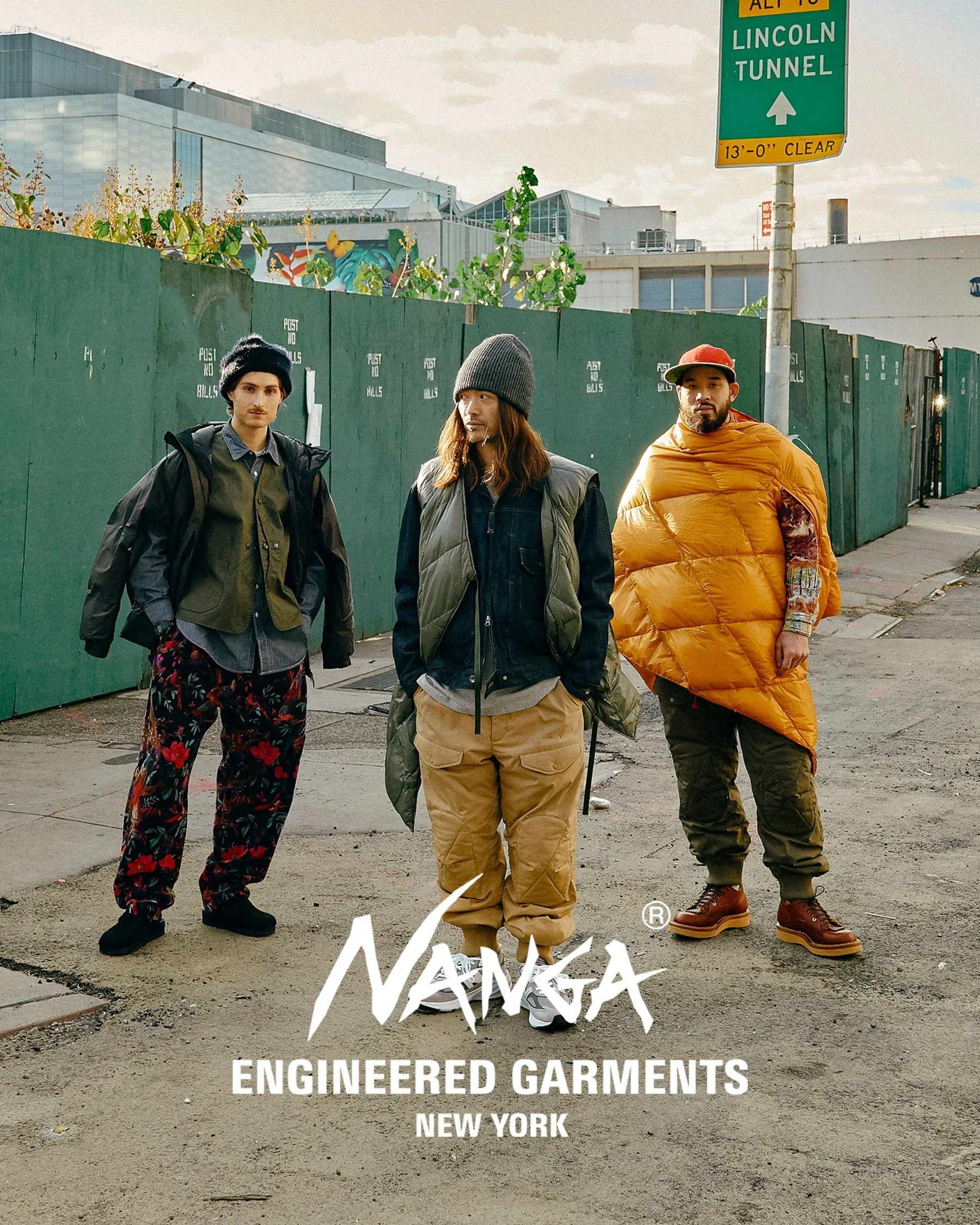
Engineered Garments Clothing has earned a strong place in modern menswear by bringing Japanese design ideas together with classic American clothing. Founded in New York in 1999 by Daiki Suzuki, the label looks closely at workwear, military uniforms, outdoor clothing, fishing gear, and traditional menswear. Its garments often feel familiar at first glance, yet small changes in pockets, proportions, fabrics, buttons, and layering give each piece its own personality. From Engineered Garments Jackets to shirts and relaxed trousers, the range suits people who want practical clothing with a strong sense of style.
How Engineered Garments Began
Daiki Suzuki created Engineered Garments around his interest in American clothing history and the way older garments were worn in everyday life. New York gave the label a natural setting for this approach, blending classic American references with the relaxed character of city dressing. Instead of simply copying old garments, Suzuki reworked familiar shapes through new proportions, fabric choices, pocket layouts, and construction details. This approach helped Engineered Garments develop a style that feels connected to the past while still fitting modern wardrobes.
What Makes the Clothing Stand Out
The appeal of Engineered Garments Clothing often comes from the details. A jacket may feature several pockets, unusual button placement, a relaxed body, or a different collar shape. Shirts can use contrasting fabrics, patch pockets, curved hems, or interesting patterns. Pants often have roomy legs and practical pocket arrangements. These details give the clothing a lived-in appearance without making an outfit feel overly styled. Cotton, canvas, ripstop, chambray, Oxford cloth, flannel, denim, and wool are common fabric choices that suit different seasons and outfit ideas.
Engineered Garments Jackets for Everyday Wear
Engineered Garments Jackets are among the label's most popular pieces. Field jackets, chore coats, Bedford jackets, fatigue-inspired styles, and work jackets reflect the brand's connection to American workwear and outdoor clothing. A field jacket in olive can work with a simple T-shirt and faded jeans, while a chore coat can sit comfortably over an Oxford shirt and fatigue pants. Their relaxed shapes also make them useful for layering during cooler weather, giving a simple outfit more texture and depth.
Engineered Garments Shirts for Easy Dressing
Engineered Garments US Shirts give everyday outfits a casual look while retaining plenty of character. Oxford shirts, utility shirts, camp-collar designs, chambray styles, flannel options, and patterned button-downs can all work across different settings. A plain shirt can keep an outfit clean when paired with relaxed trousers, while a patterned style can become the main feature of a casual look. Layering also works well, such as wearing a flannel shirt beneath a field jacket or an Oxford shirt under a chore coat.
Engineered Garments Pants and Relaxed Fits
Engineered Garments Pants are known for comfortable shapes and useful pocket details. Fatigue pants, painter trousers, utility styles, and wide-leg designs can give an outfit a relaxed profile without looking careless. They pair naturally with T-shirts, button-down shirts, knitwear, jackets, and casual footwear. Olive, navy, khaki, brown, black, and denim shades are easy to combine with other wardrobe pieces. For a balanced outfit, try wider trousers with a simpler top and a jacket that follows the same relaxed feel.
Simple Ways to Style Engineered Garments
Styling Engineered Garments does not require a complicated outfit. Start with one noticeable piece and build around it with simple colours. An olive jacket, white T-shirt, blue jeans, and canvas trainers create an easy everyday combination. For a smarter casual look, wear a chore coat with an Oxford shirt, fatigue pants, and leather boots. During colder months, add flannel or wool layers beneath a jacket. Neutral shades such as cream, grey, beige, navy, and brown make it easier to mix different fabrics and patterns.
The American Workwear Connection
American workwear remains a major part of the label's visual language. Garments linked to mechanics, labourers, soldiers, fishermen, and outdoor workers have influenced many Engineered Garments designs. The label takes these references and adjusts them for present-day wardrobes. Pockets serve a practical purpose, roomy cuts allow movement, and durable fabrics suit regular wear. This connection gives the clothing a relaxed quality that works well with modern denim, sneakers, boots, knitwear, and simple accessories.
Japanese Ideas Behind the Label
Japanese fashion has a long history of studying clothing from other cultures and giving familiar styles a new direction. Engineered Garments reflects this approach through careful attention to proportion, fabric, stitching, and garment details. The result does not depend on loud branding. Instead, the clothing gains its identity through how individual pieces are designed and how they work together. This makes the label appealing to people who enjoy clothing with history, detail, and room for personal styling.
How to Buy Authentic Engineered Garments
When buying Engineered Garments, check the garment label, stitching, buttons, fabric information, care details, pocket placement, and product photographs. Exact measurements are also worth checking because different collections can have different fits and sizing. Older pieces may use different labels, fabrics, or proportions from newer releases. Buying from a trusted fashion retailer can make the process easier, while clear photographs and complete product details can help you judge an item before purchasing. If a price seems unusually low, take extra care before placing an order.
Building a Wardrobe Around Engineered Garments
You do not need a wardrobe filled with the label to enjoy its style. One jacket can work with jeans, chinos, fatigue pants, or shorts across different seasons. A shirt can sit under a coat in winter or work alone during warmer weather. Start with colours that already fit your wardrobe, then add patterns and different fabrics over time. Engineered Garments Clothing works well when pieces are allowed to mix naturally, making it easy to create casual outfits that feel personal rather than overly planned.
Frequently Asked Questions About Engineered Garments
What is Engineered Garments known for?
It is known for Japanese design influenced by American workwear, military clothing, outdoor gear, and classic menswear.
Are Engineered Garments clothes good for daily wear?
Yes. Many pieces use practical fabrics, relaxed shapes, and functional details that suit everyday dressing.
How do Engineered Garments Jackets fit?
Many jackets have relaxed proportions, though the fit can differ between styles and collections. Always check garment measurements before buying.
What goes well with Engineered Garments Pants?
T-shirts, Oxford shirts, flannels, knitwear, chore coats, field jackets, trainers, and boots all work well with the trousers.
Are Engineered Garments Shirts easy to style?
Yes. They can be worn alone, layered beneath jackets, or combined with denim and relaxed trousers for casual outfits.
Why Engineered Garments Clothing Continues to Attract Attention
Engineered Garments Clothing brings together Japanese design, New York influence, and the long history of American workwear. Its jackets, shirts, and pants give wearers plenty of room to create outfits around their own preferences. Rather than relying on loud branding, the label builds interest through fabric, fit, pockets, stitching, and thoughtful garment details. That balance of heritage and modern styling keeps Engineered Garments relevant for people who want everyday clothing with a strong identity and a relaxed feel.

 English
 Arabic
 French
 Spanish
 Portuguese
 Deutsch
 Turkish
 Dutch
Dutch
 Italiano
 Russian
 Romaian
 Portuguese (Brazil)