


What Should You Know About Recovery After Robotic Hair Transplant in Dubai?
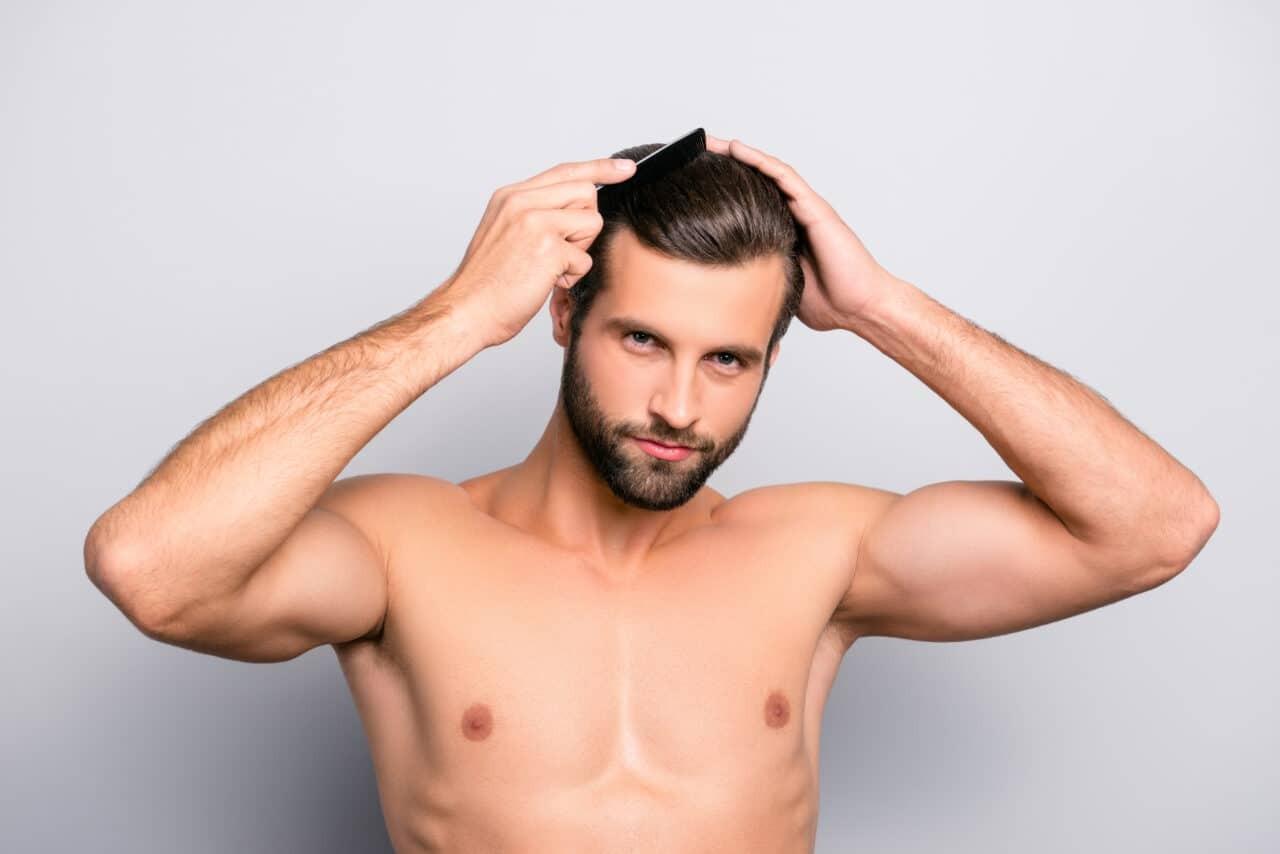
Undergoing a hair transplant is a significant decision, and understanding the recovery process is just as important as choosing the right treatment. Patients considering Robotic Hair Transplant in Dubai often focus on the technology, follicle selection, and expected hair growth, but recovery plays an equally important role in achieving a healthy and natural-looking outcome. Although robotic assistance can support precision during aspects of follicular unit extraction, the body still needs time to heal after the procedure.
Recovery generally involves several stages. Immediately after treatment, mild redness, swelling, tenderness, or small crusts around the treated areas can occur. These effects are usually temporary, but their duration varies according to the individual's healing response, the number of grafts treated, the extraction and implantation techniques used, and aftercare practices.
Patients should also understand that transplanted hair does not appear fully grown immediately. The implanted follicles need time to establish themselves, and temporary shedding can occur before new growth becomes noticeable. Following postoperative instructions carefully can help protect the grafts and reduce avoidable complications.
Dubai's climate can also make postoperative care particularly relevant. Heat, sweating, dust, and prolonged sun exposure may affect comfort during the early healing period. For this reason, recovery planning should be discussed in detail before treatment rather than treated as an afterthought.
What Happens Immediately After Treatment?
The first few days are primarily focused on protecting the scalp and allowing the extraction and implantation sites to settle. Mild swelling may develop, particularly around the forehead, while the scalp can feel tight or sensitive.
Small scabs or crusts may form around transplanted follicles. Patients should avoid scratching, rubbing, or picking these areas because mechanical irritation can interfere with healing.
The medical team normally provides specific instructions regarding washing, sleeping position, medications when appropriate, and physical activity. These instructions should take priority over generic advice because recovery recommendations can differ between patients.
The First Week of Recovery
During the first week, visible signs of treatment may still be present. Redness and small crusts can gradually decrease, while the scalp begins to recover from the procedure.
Hair washing should be performed according to the treating team's instructions. Aggressive rubbing or applying pressure directly to newly transplanted follicles should generally be avoided during the early period.
Patients may also need to temporarily modify exercise and other activities that cause substantial sweating. The exact timeline depends on the procedure and individual healing progress, so returning to normal activities should be based on professional guidance rather than a fixed schedule.
Understanding Shedding and New Hair Growth
One of the most important recovery concepts is that transplanted hair does not necessarily continue growing immediately after implantation. Some of the visible hair shafts may shed during the weeks following treatment. This is commonly referred to as shock loss or temporary shedding and does not automatically mean that the transplanted follicles have failed.
The follicles can remain within the scalp while the visible hair shaft goes through a temporary shedding phase. New growth develops gradually, meaning patience is essential.
The timing of visible improvement varies considerably. Factors such as age, genetics, donor-hair characteristics, scalp health, and the individual's natural hair-growth cycle can influence the final timeline.
Protecting the Scalp in Dubai's Climate
Environmental conditions should be considered during recovery. Strong sunlight and high temperatures can make the scalp uncomfortable and may interfere with proper postoperative care.
Patients should follow their clinician's recommendations regarding sun protection and avoid unnecessary direct exposure during the early healing period. Wearing anything over the scalp should also be discussed with the treatment provider because pressure or friction may be inappropriate while grafts are still settling.
Sweating can be another consideration. Strenuous outdoor activities may need to be limited temporarily, particularly during the initial recovery period. A personalized return-to-activity plan is preferable to assuming that every patient can resume exercise at the same time.
When Should You Contact Your Medical Team?
Some discomfort, redness, swelling, and crust formation can be expected after a hair transplant. However, symptoms that appear unusually severe or progressively worsen should be discussed with the treating medical team.
Patients should seek professional advice if they experience significant or increasing pain, substantial swelling, persistent bleeding, unusual discharge, fever, or other symptoms that concern them.
Self-diagnosis is not advisable during postoperative recovery. Even when a symptom appears minor, contacting the clinic can provide appropriate reassurance or allow an issue to be assessed early.
How to Choose the Right Approach for Robotic Hair Transplant in Dubai
Experience and Qualifications
The technology used during a hair transplant is only one part of the treatment. The qualifications and experience of the medical professionals overseeing the procedure are important considerations. Patients should ask who performs each stage and how the treatment plan is customized.
Technology and Techniques
Robotic systems may assist with aspects such as follicle identification, extraction planning, or graft harvesting. However, technology does not replace clinical judgment. Patients should understand which steps are automated, which are performed manually, and how the overall technique is selected for their specific pattern of hair loss.
Safety Standards
A suitable facility should follow appropriate infection-control procedures and maintain high standards for patient monitoring and postoperative care. Patients should feel comfortable asking about the medical environment, sterilization practices, emergency protocols, and follow-up arrangements.
Consultation Process
A thorough consultation should include assessment of the donor area, degree and pattern of hair loss, scalp condition, medical history, and expectations. A responsible treatment plan should also explain limitations rather than promising a predetermined result.
Patient Experience
Recovery instructions should be clear and practical. Patients should know how to wash the scalp, protect the grafts, manage normal postoperative symptoms, and recognize signs that require medical attention. Accessible follow-up is an important part of the overall treatment experience.
Expected Results
Hair transplantation should be viewed as a gradual process rather than an immediate cosmetic transformation. A qualified professional should explain the expected growth timeline, potential temporary shedding, limitations of donor-hair availability, and factors that may influence density.
Frequently Asked Questions
Is recovery after robotic hair transplantation painful?
Most patients experience some degree of tenderness, tightness, or scalp sensitivity rather than severe pain. The level of discomfort varies according to individual sensitivity and the extent of the procedure. Any significant or worsening pain should be reported to the treating medical team.
How long does it take for the scalp to look normal?
Visible redness and crusting generally improve as healing progresses, but the timeline differs between individuals. Some patients may experience noticeable scalp changes for longer than others. Following postoperative instructions can support an uncomplicated recovery.
Can I exercise after robotic hair transplantation?
Strenuous exercise is commonly restricted during the early recovery period because sweating, increased blood flow, and accidental contact can create additional concerns. The appropriate time to resume exercise should be confirmed with the treating clinician.
When will transplanted hair start growing?
Hair growth occurs gradually. Temporary shedding can happen after transplantation before new hair begins emerging. Visible improvement may therefore take several months, with continued changes occurring over a longer period.
Does robotic technology make recovery faster?
Robotic assistance may improve precision during selected parts of the procedure, but it does not eliminate the body's natural healing process. Recovery still depends on factors including the treatment technique, graft quantity, scalp condition, and individual healing response.
Conclusion
Recovery is a fundamental part of the hair-transplant journey and should be considered before treatment begins. Understanding the early healing period, protecting newly treated areas, following washing and activity instructions, and attending recommended follow-ups can help patients navigate recovery with realistic expectations. Anyone considering Robotic Hair Transplant should discuss the complete postoperative plan with a qualified medical professional, including expected healing milestones, temporary shedding, environmental precautions, and when normal activities can safely resume. A careful approach to recovery supports the broader goal of protecting transplanted follicles while allowing the scalp to heal naturally and hair growth to develop over time.

 English
 Arabic
 French
 Portuguese
 Deutsch
 Turkish
 Dutch
Dutch
 Italiano
 Russian
 Romaian
 Portuguese (Brazil)
 Greek
Greek