


GHK-Cu: Understanding This Copper-Binding Peptide
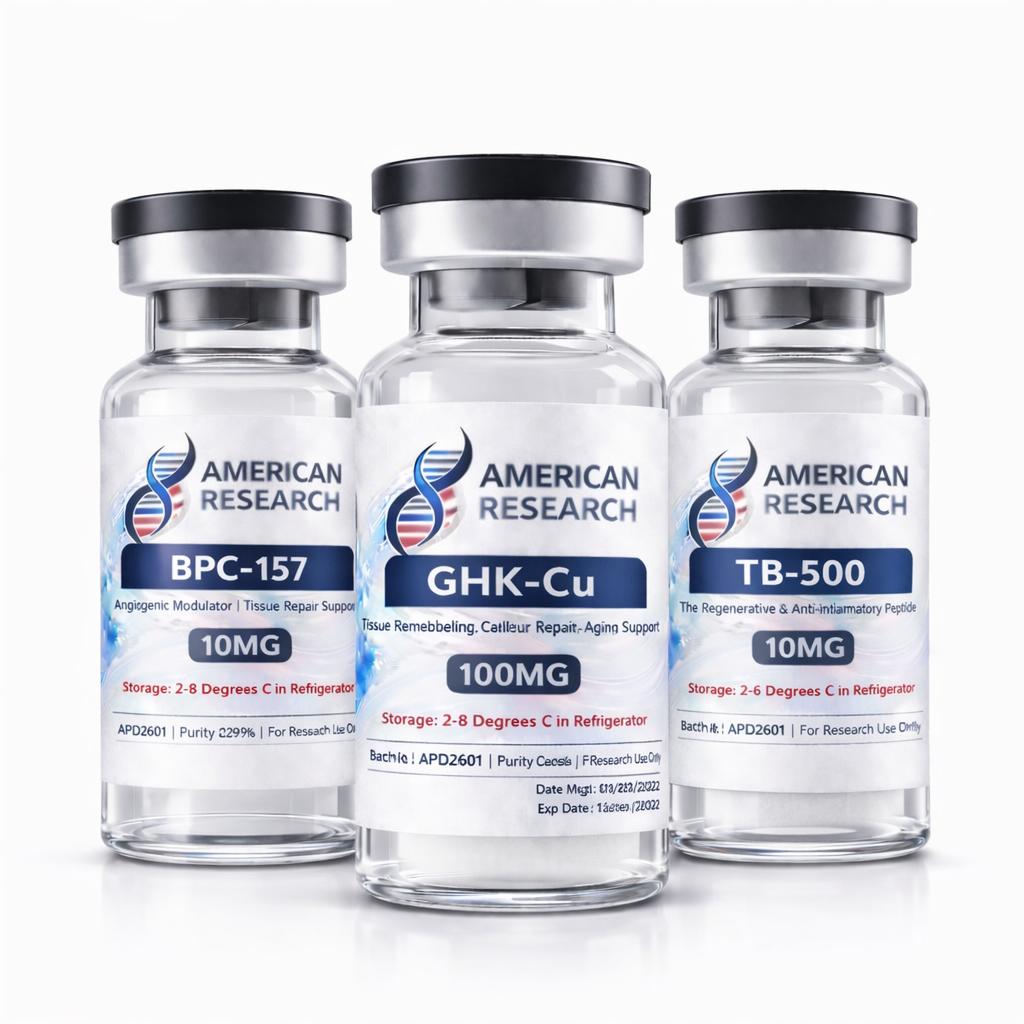
GHK-Cu is a naturally occurring copper-binding peptide that has attracted interest in biochemical, cosmetic, and scientific research. It consists of a short peptide sequence associated with copper and has been investigated for its interactions with biological processes.
Researchers continue to study GHK-Cu to better understand its molecular properties and potential applications in controlled research environments.
What Is GHK-Cu?
GHK-Cu refers to a complex involving the peptide glycyl-L-histidyl-L-lysine and copper. The peptide is known for its ability to bind copper ions, which is an important characteristic when studying its biological activity.
Because peptides can interact with different molecular pathways, researchers have investigated GHK-Cu in areas including skin biology, tissue research, cellular processes, and molecular science.
For those researching peptide materials and related scientific resources, GHK-Cu can be explored as part of broader peptide research.
Why Is GHK-Cu Studied?
GHK-Cu has generated interest because of its interaction with copper and its presence in biological research. Scientists have investigated how copper-binding peptides may interact with cells and extracellular components under controlled experimental conditions.
Research has also examined its relationship with processes associated with tissue structure, cellular signalling, and biological repair mechanisms.
GHK-Cu and Skin Research
One area of interest is skin-related research. Scientists have investigated GHK-Cu in connection with collagen, extracellular matrix components, and other biological processes involved in maintaining skin structure.
This has contributed to interest in copper peptides within cosmetic science and dermatological research. However, laboratory findings should be distinguished from proven clinical outcomes, and further research may be required to establish specific applications.
GHK-Cu and Molecular Biology
From a molecular biology perspective, GHK-Cu provides researchers with an example of a peptide capable of interacting with a metal ion. Studying this interaction can help scientists better understand peptide structure, binding behaviour, and biological activity.
Controlled laboratory studies may investigate factors such as molecular stability, copper association, concentration, and interactions with other biological components.
Importance of Peptide Structure
The structure of a peptide plays an important role in its behaviour. GHK-Cu contains a specific amino acid sequence that contributes to its copper-binding characteristics.
Researchers may examine peptide composition, molecular weight, purity, and other physicochemical properties when evaluating a sample. Accurate characterisation is important for producing reliable and reproducible scientific results.
Stability and Storage Considerations
Like many research peptides, GHK-Cu requires appropriate handling according to the characteristics of the material and the experimental setting. Environmental factors such as temperature, moisture, light, and contamination can affect peptide integrity.
Research laboratories generally follow established storage, handling, and documentation procedures to maintain sample quality and consistency.
Research-Grade Quality
Reliable scientific research depends on appropriately characterised materials. Researchers may evaluate peptide identity, purity, formulation, and other specifications before beginning experimental work.
Analytical methods can help verify the characteristics of a peptide sample. Quality-control procedures are particularly important when researchers need consistent results across multiple experiments.
GHK-Cu in Biotechnology Research
Copper-binding peptides such as GHK-Cu are also of interest in biotechnology because they provide useful subjects for studying peptide-metal interactions.
Researchers can investigate how these interactions influence molecular behaviour and how peptide characteristics change under different experimental conditions. Such studies contribute to broader knowledge in biochemistry and molecular science.
Future Research
Interest in GHK-Cu continues as researchers explore copper-binding peptides and their biological interactions. Advances in peptide synthesis, analytical chemistry, and molecular biology may provide additional opportunities to study these compounds.
Future research may help clarify the mechanisms associated with GHK-Cu and distinguish well-established findings from areas that remain experimental.
Final Thoughts
GHK-Cu is a copper-binding peptide that has become an interesting subject in biochemical and biological research. Its molecular structure and interaction with copper make it relevant to studies involving peptide chemistry, cellular processes, skin biology, and biotechnology.
Continued research, accurate characterisation, responsible laboratory practices, and evidence-based evaluation remain important for understanding the potential scientific significance of GHK-Cu.

 English
 Arabic
 French
 Spanish
 Portuguese
 Deutsch
 Turkish
 Dutch
Dutch
 Italiano
 Russian
 Portuguese (Brazil)
 Greek
Greek