


Glutathione Injection in Dubai for Combination Skin Concerns
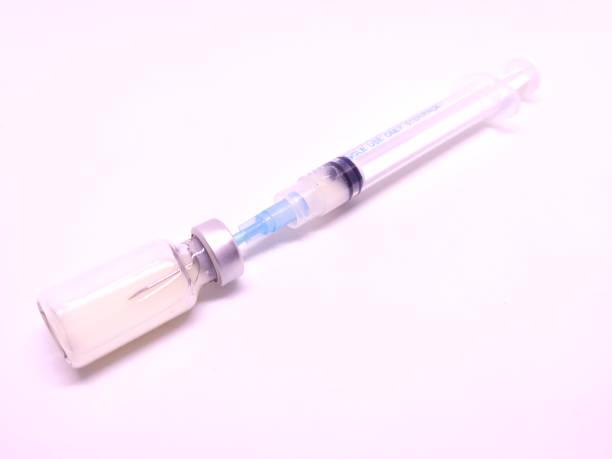
Combination skin can make complexion management more complicated because different areas may behave differently at the same time. Glutathione Injection in Dubai may be considered within a personalized complexion plan when uneven tone or dullness accompanies combination skin, but the injection does not correct oil production, dryness, acne, or every pigmentation concern by itself. A detailed skin assessment is therefore important before deciding whether injectable glutathione has a meaningful role.
Understanding Combination Skin and Uneven Complexion
Combination skin typically describes a pattern in which some areas produce more oil while others feel normal, dry, or dehydrated.
The T-zone may become shiny or congested, while the cheeks or areas around the mouth may feel tighter. Climate, skincare products, hormones, stress, sun exposure, and daily habits can all influence how these differences appear.
When pigmentation or dullness is added to the picture, treatment becomes more individual.
For example, an oily forehead with post-acne marks requires a different strategy from dry cheeks with mild discoloration. Treating the entire face as though it has identical needs can lead to unnecessary irritation.
How Glutathione Injection in Dubai Fits Combination Skin Planning
Glutathione is an antioxidant naturally produced by the body. It participates in cellular redox processes and has been marketed for cosmetic complexion purposes.
Injectable glutathione should not be described as a direct treatment for combination skin itself. It does not balance oily and dry areas in the way a tailored skincare routine can.
Its potential role is more relevant to the broader complexion objective, particularly when a patient is seeking an overall refreshed appearance alongside other professionally selected measures.
Evidence for cosmetic skin-lightening effects remains limited and inconsistent, so expectations should remain realistic.
Different Skin Zones May Need Different Care
A combination complexion can include several simultaneous concerns:
| Skin area or concern | Common consideration |
|---|---|
| Oily T-zone | Excess sebum or congestion |
| Dry cheeks | Moisture or barrier support |
| Post-acne marks | Pigment left after inflammation |
| Dull appearance | Dehydration, environmental exposure, or lifestyle factors |
| Sensitive areas | Greater risk of irritation |
| Uneven tone | May require targeted pigmentation assessment |
This is why an injectable treatment should be viewed as one possible component rather than the complete solution.
Skin Assessment Before Injectable Treatment
A consultation should begin by identifying what the patient actually wants to improve.
Someone may describe their skin as “uneven” when the main issue is dehydration. Another person may have genuine hyperpigmentation, while someone else may primarily have redness or textural acne scarring.
A clinician may review:
- Current skin condition
- Areas of oiliness and dryness
- Active acne or inflammation
- Post-acne discoloration
- Recent tanning or significant sun exposure
- Previous peels, lasers, or injectables
- Current skincare products
- Medication and allergy history
- Previous reactions to injectable treatments
This assessment helps avoid choosing an injectable simply because it is associated with complexion enhancement.
Combination Skin and Dubai's Climate
Dubai's environment can make combination skin particularly unpredictable.
High temperatures and outdoor exposure can increase sweating and oiliness, while prolonged air conditioning may leave some areas feeling dry or tight. Strong sunlight can also contribute to tanning and pigment visibility.
Travel between outdoor heat and heavily air-conditioned interiors may add another variable to the skin's appearance.
These environmental factors do not mean glutathione is required. Instead, they highlight why treatment planning should account for the patient's actual routine.
Daily photoprotection remains essential when pigmentation or uneven tone is a concern.
Building a Complementary Skincare Routine
Combination skin generally benefits from targeted rather than excessive product use.
Using strong exfoliants across the entire face simply because one area is oily can irritate drier zones. Conversely, applying heavy occlusive products everywhere may be unsuitable for areas prone to congestion.
A tailored routine may include:
- Gentle cleansing appropriate for the skin type
- Lightweight hydration for oilier areas
- More supportive moisturization where the barrier is dry
- Broad-spectrum sunscreen
- Clinician-selected pigmentation products when appropriate
- Acne management for active breakouts
- Limited use of irritating exfoliating products
The objective is balance rather than making every area respond identically.
Glutathione and Pigmentation Concerns
Combination skin does not automatically mean pigmentation is present.
If uneven tone is the main concern, the pattern needs to be identified. Post-inflammatory pigmentation, sun-related pigmentation, melasma, freckles, and other discoloration patterns may have different causes and treatment requirements.
Glutathione should not be presented as a universal pigmentation treatment.
Patients considering combination skin and glutathione treatment in Dubai should understand that professional assessment is more useful than selecting treatment solely from a list of advertised benefits.
When pigmentation is persistent or unusual, an appropriate dermatological evaluation should take priority.
Injection Route and Individualized Treatment Decisions
Glutathione products can be administered through different medical routes depending on the formulation and treatment protocol.
An injectable treatment should therefore not be treated as interchangeable with an IV infusion.
The appropriate route, formulation, dose, frequency, and administration technique should be determined by a qualified medical professional.
There is also no universal schedule that guarantees the same cosmetic result for every patient.
A personalized approach considers the person's treatment objective, medical history, previous reactions, concurrent treatments, and overall suitability.
More frequent administration or higher dosing should not automatically be assumed to produce better results.
When Combination Skin Requires a Different Strategy
Some patients may discover that their main concern has little to do with antioxidant treatment.
If the face is primarily affected by active acne, excess sebum, persistent irritation, or significant dryness, those problems may need to be addressed first.
Similarly, significant acne scarring involves changes in skin texture and may require procedures specifically designed for scar remodeling.
If pigmentation resembles melasma or continues to worsen despite appropriate skincare and sun protection, targeted assessment is more appropriate than relying on a general complexion injection.
This distinction helps prevent treatment from becoming unnecessarily complicated.
Safety Considerations for Combination Skin
Sensitive or irritated areas deserve particular attention before any injectable procedure.
Treatment may need to be delayed when the skin has an active infection, substantial inflammation, severe irritation, or has not recovered from a recent cosmetic procedure.
Before administration, disclose:
- Known allergies
- Previous injection reactions
- Current medications
- Active acne treatments
- Recent laser or peel procedures
- Recent tanning or intense sun exposure
- Existing pigmentation treatments
Only appropriately sourced and medically supervised injectable products should be used.
Self-injecting or purchasing unverified products online introduces avoidable concerns involving sterility, authenticity, concentration, storage, and administration.
What Results to Expect From a Combination-Skin Plan
The objective should be gradual improvement in overall complexion appearance rather than a guaranteed change in natural skin color.
Some people may notice a fresher or more uniform appearance, while others may experience little visible change. Cosmetic responses to glutathione are variable, and current evidence does not justify promising a specific degree of brightening.
A successful plan should therefore measure progress against realistic goals.
Photographs under consistent lighting can sometimes help track subtle changes more reliably than comparing the skin from day to day.
The Strategic Investment
Combination skin responds best to personalization because the oily, dry, sensitive, and pigmentation-prone areas may not need identical treatment. Glutathione can be discussed as a possible adjunct for selected complexion goals, but it should sit within a broader plan that includes appropriate skincare, sun protection, acne management, and professional monitoring. For patients considering Glutathione Injection in Dubai, Tajmeels Clinic can assess the skin's individual characteristics and determine whether injectable treatment is appropriate for the desired complexion goals.

 English
 Arabic
 French
 Spanish
 Portuguese
 Turkish
 Dutch
Dutch
 Italiano
 Russian
 Romaian
 Portuguese (Brazil)
 Greek
Greek