


How Steel in the Philippines Powers Modern Energy Infrastructure
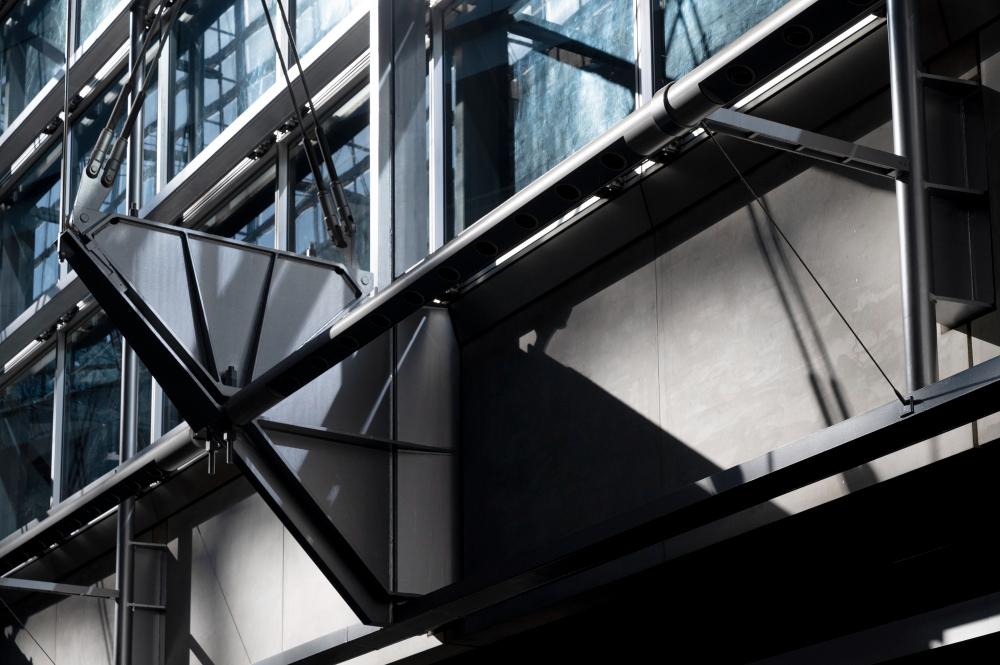
From power plants to transmission lines, steel in the Philippines provides the structural integrity needed for a reliable energy system. Globally, it remains a foundational material for energy development. A look at the real-world uses and developing industry standards of steel shed light on how the material contributes to the nation's energy objectives.
Early Steel Applications in Energy Projects
In the 1950s, imported steel built the Philippines’ first hydroelectric dams and thermal plants. Companies like Linton Incorporated supplied beams and pipes for grid networks. These efforts laid the groundwork for today’s energy infrastructure.
Steel in Traditional Power Generation Plants
Thermal power plants depend on heavy steel components to operate safely under high thermal pressure. Strong steel alloys form durable boiler frames, steam pipes, and heavy turbine casings for daily use. Reliable structural steel helps local power plants supply consistent electricity across regional power grids.
Steel Grades for Energy Systems
Carbon steel transports natural gas safely, while stainless steel withstands geothermal plant corrosion. Structural steel forms wind turbine bases and solar panel mounts. Each grade meets engineering standards for durability and safety.
High-Voltage Transmission Networks and Grid Connections
Galvanized lattice towers hold major transmission lines across thousands of kilometers over difficult island terrain. Strong steel structures resist high typhoon winds to stop wide power outages in local communities. Substation installations use heavy steel frames to route electricity safely into regional distribution networks.
Steel Structures for Substation Safety and Protection
Electrical substations rely on strong steel perimeter enclosures and support structures to keep sensitive equipment safe. High grounding rods made of steel protect high-voltage equipment from dangerous direct lightning strikes during storms. Rigid steel gantries hold heavy cables securely above ground to prevent dangerous electrical contact hazards.
Supply Chain Barriers in Energy Projects
Remote locations complicate steel delivery for island-based projects. Pre-fabrication in central hubs reduces delays. Local partnerships ensure materials arrive on time, even for challenging sites.
Advancements in Steel Manufacturing
Modern mills produce lighter, stronger beams for power stations. Corrosion-resistant coatings extend lifespan in humid coastal areas. These improvements lower maintenance costs for utilities.
Eco-Friendly Steel Production
Electric arc furnaces powered by renewables cut emissions. Recycling scrap steel reduces raw material waste. Philippine manufacturers align production with national climate goals.
Steel for Renewable Energy Structures
Solar farms and wind parks rely on steel for mounting frames and foundations. Suppliers tailor products to resist typhoon-force winds and humidity. Dependable supply chains speed up renewable energy deployment.
Offshore and Floating Energy Infrastructure
Offshore renewable projects use specialized marine steel to secure turbines and floating solar arrays safely. Heavy steel monopiles anchor deep into the seabed to stabilize turbines against rough ocean waves. Tough protective coatings shield marine steel frames from severe corrosion caused by salty ocean water.
Hydropower Infrastructure and Steel Penstock Systems
Hydroelectric power plants use heavy steel penstocks to guide fast water flow toward electricity generation turbines. These high-strength steel pipes resist strong internal water pressure created along steep mountain river channels. Protective internal linings prevent inner pipe walls from wearing down due to continuous water movement.
Cost Efficiency and Durability
Corrosion-resistant steel cuts replacement costs in coastal plants. Developers compare lifecycle costs against alternatives like concrete. Steel often offers better value despite higher upfront costs.
Steel Selection for Philippine Conditions
Engineers prioritize typhoon and earthquake resilience. A decision matrix weighs strength, weldability, and local availability. Material choices align with regional environmental challenges.
Regulatory Standards and Local Safety Compliance
Local regulatory agencies require strict quality testing on all steel materials used in power plants. Mill test reports verify that structural steel beams meet high safety and strength standard guidelines. Field inspectors test welded steel joints regularly to ensure power plants resist strong earthquake shocks.
Transporting Steel Across Islands
Modular construction simplifies delivery to remote areas. Pre-fabricated parts ship from Manila to Mindanao or Palawan. Just-in-time logistics minimize storage costs at project sites.
Steel Degradation in Tropical Climates
Tropical climates accelerate rust, requiring protective coatings. Regular drone inspections identify early corrosion in transmission towers. Scheduled maintenance prevents system failures.
Preparing for Future Grid Expansion
Planned upgrades for EV charging and data centers require stronger steel. Suppliers scale production to meet future needs. Modern facilities ensure consistent quality for next-generation projects.
Strategic Sourcing and Import Dependency Risks
Energy developers manage market risks by securing long-term contracts with trusted global steel suppliers. Global market changes often cause price shifts and material delays for major local energy projects. Expanding domestic mill production helps reduce import dependence for key structural steel components nationwide.
Emergency Repair and Disaster Response Readiness
Utility companies store prefabricated emergency steel towers to restore fallen electrical transmission lines after major typhoons. Modular steel replacement parts allow repair crews to fix damaged power grid sections very quickly. Stockpiling versatile structural steel items helps technicians recover electrical power quickly after major natural disasters.
Key Takeaway
Steel in the Philippines remains central to energy security and innovation. As demand rises, local suppliers adapt to meet quality and sustainability standards. Visit steel in the Philippines to understand how this material shapes the nation’s energy landscape

 English
 Arabic
 French
 Portuguese
 Deutsch
 Turkish
 Dutch
Dutch
 Italiano
 Russian
 Romaian
 Portuguese (Brazil)
 Greek
Greek