


Chemical Peels In Islamabad: Why Proper Skin Assessment Matters
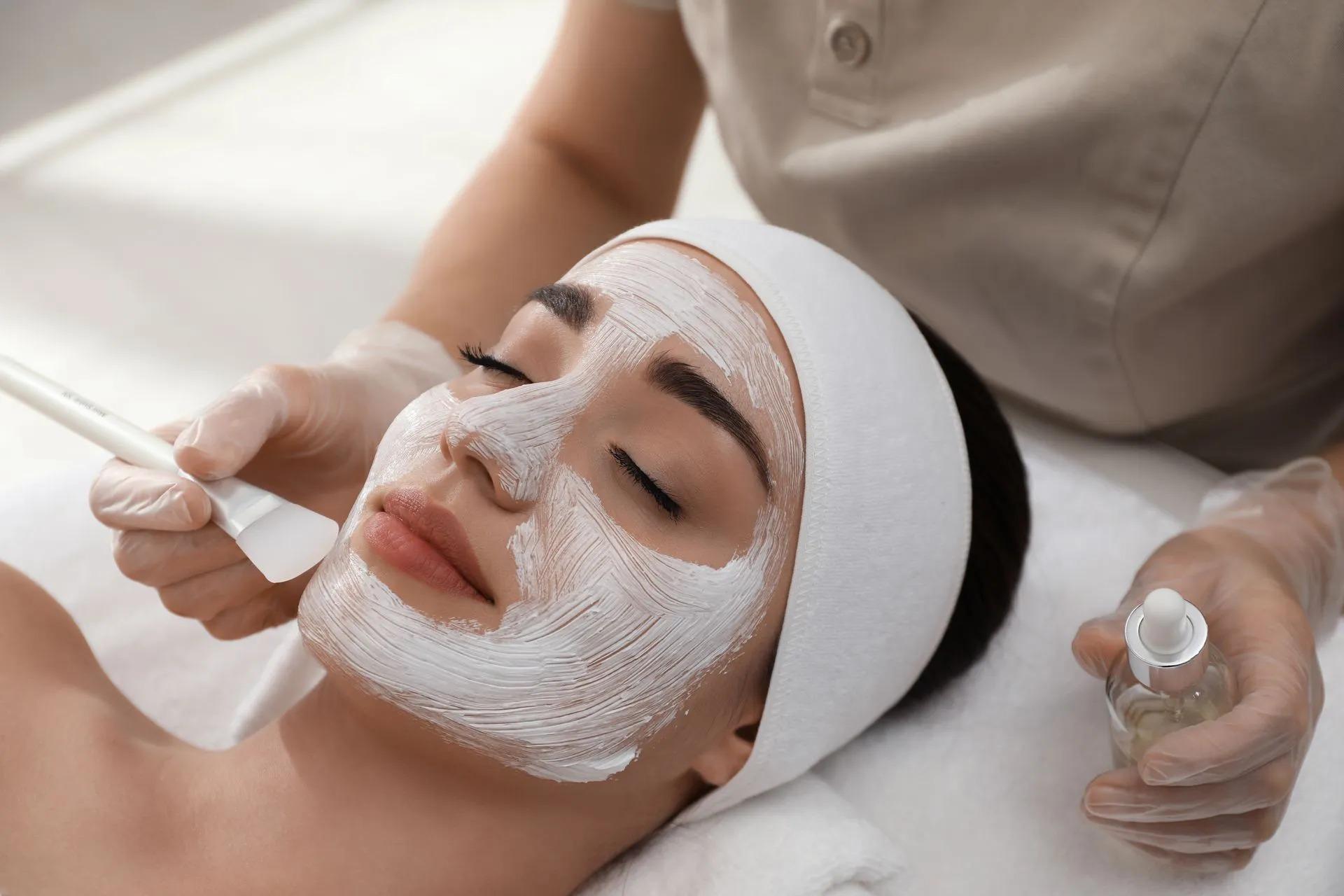
A chemical peel may sound like a straightforward skincare treatment: apply a solution, allow it to work, and let the skin renew itself. But the reality is more personal. Your skin's condition, sensitivity, tone, and history all matter before a peel is selected.
The same treatment that suits one person may not be appropriate for another. This is why a proper skin assessment should come before treatment, especially for people considering a Chemical Peel in Islamabad.
A professional assessment helps the specialist understand your skin and determine whether a chemical peel is suitable, what concerns should be targeted, and how the treatment should be approached.
Skin Is Not One-Size-Fits-All
Everyone's skin has its own characteristics. Even people with similar concerns, such as acne or pigmentation, can have very different causes and levels of sensitivity.
A professional should treat the person, not just the skin concern. Your skin type, tone, current condition, previous treatments, and skincare routine can all influence the treatment decision.
This is why simply requesting a particular peel you have seen online may not always be the best starting point.
What Happens During a Skin Assessment?
A proper assessment involves more than taking a quick look at your face. The specialist should discuss your main concerns and gather relevant information about your skin history.
They may ask about previous chemical peels, laser treatments, acne, pigmentation, irritation, allergies, and products you currently use.
The goal is to build a complete picture of your skin before treatment begins. This information helps the specialist decide whether a peel is appropriate and how it should be planned.
Chemical Peel in Islamabad: What Should Be Assessed?
When considering a Chemical Peel in Islamabad, several aspects of your skin can be relevant to treatment planning.
A professional assessment may consider:
- Skin type: Whether your skin is oily, dry, combination, or sensitive.
- Skin tone: Individual pigmentation characteristics and how your skin may respond to treatment.
- Primary concern: Acne, acne marks, uneven tone, dullness, or rough texture.
- Skin condition: Whether there is active irritation, inflammation, or another issue that may affect treatment.
- Previous treatments: Recent peels, laser procedures, waxing, or other cosmetic treatments.
- Current skincare: Prescription products, retinoids, exfoliants, acne treatments, and other active ingredients.
- Treatment goals: What you realistically hope to improve through the procedure.
A detailed assessment helps turn a general treatment into a more individualized plan.
Why Skin Tone Deserves Attention
Pakistan has a diverse population with a wide range of skin tones. Many patients are also particularly concerned about pigmentation, uneven complexion, and post-acne marks.
Skin tone is one factor that should be considered rather than ignored. A specialist needs to understand the individual's pigmentation history and overall skin condition before choosing an appropriate treatment approach.
This does not mean chemical peels are unsuitable for Pakistani skin. It means treatment should be planned carefully according to the individual.
Identifying the Real Skin Concern
Sometimes the concern patients describe is not the entire story. For example, someone may say they want brighter skin when their underlying concern is actually uneven pigmentation or post-acne marks.
Correctly identifying the concern can lead to better treatment planning. A specialist should ask questions rather than immediately selecting a peel.
Understanding what you want to change also makes it easier to discuss realistic results and whether a chemical peel is the right option.
Checking Skin Sensitivity
Some people naturally have more sensitive skin, while others may develop sensitivity because of skincare products, environmental factors, or previous treatments.
Sensitivity should be discussed openly before a peel. Tell your specialist if you regularly experience burning, redness, itching, dryness, or reactions to cosmetic products.
This information can help determine whether treatment should proceed and what precautions may be appropriate.
Your Skincare Routine Matters
Your current skincare products can provide important clues about your skin's condition. Strong active ingredients may affect how your skin responds to an exfoliating treatment.
Never leave out details about your daily skincare. Tell the specialist about retinoids, exfoliating acids, acne medications, brightening products, prescription creams, and other active ingredients.
Depending on the treatment, your specialist may recommend changes to your routine before or after the peel.
Previous Procedures Should Be Discussed
If you have recently had another cosmetic procedure, mention it during your consultation. Your skin may need adequate recovery time before another treatment is performed.
Recent treatments can influence the timing of a chemical peel. Laser procedures, waxing, other peels, microneedling, and certain aesthetic treatments may all be relevant.
Being honest about your recent skincare and cosmetic history allows the specialist to make a more informed decision.
Stronger Does Not Always Mean Better
One of the most common misconceptions about chemical peels is that a stronger treatment will automatically produce better results.
The most powerful peel is not necessarily the right peel for your skin. Treatment strength should be considered alongside your skin condition, treatment goal, sensitivity, and professional assessment.
A personalized approach aims to select an appropriate level of treatment rather than simply choosing the strongest option available.
Assessment Helps Set Realistic Expectations
Patients naturally want visible improvements, but chemical peels are not magic solutions. Results can vary depending on the skin concern, treatment type, individual response, and ongoing skincare.
A proper consultation should include an honest conversation about results. Your specialist can explain what the treatment may improve and whether several sessions could be appropriate.
This can help you avoid unrealistic expectations created by highly edited social media photographs.
When Treatment May Need to Be Delayed
An important part of professional assessment is knowing when not to proceed immediately. Active irritation, certain skin conditions, recent procedures, or other concerns may mean the timing is not right.
Sometimes postponing treatment is the safest choice. A responsible specialist should prioritize the condition of your skin instead of rushing to perform a procedure.
Ask what needs to improve before treatment can be reconsidered if your skin is not currently suitable.
Assessment Can Influence Treatment Preparation
Once your skin has been assessed, your specialist may provide preparation instructions. These can vary depending on your skin and the type of chemical peel being considered.
Preparation should be personalized rather than automatically identical for every patient. You may receive guidance about skincare products, sun exposure, or other factors before your appointment.
Following those instructions can help you approach treatment with properly prepared skin.
Understanding Your Lifestyle
Your daily routine can also be relevant. Someone who spends most of their day indoors may have different practical considerations from someone who works outdoors or regularly participates in outdoor activities.
Treatment planning should fit real life. Discuss upcoming travel, outdoor activities, work commitments, or important events with your specialist.
This can help you understand whether the timing of treatment and expected recovery fit your schedule.
Sun Exposure Should Be Considered
Sun exposure is particularly relevant when discussing pigmentation and post-treatment skincare. Islamabad receives plenty of sunshine throughout the year, and outdoor exposure can be difficult to avoid completely.
Your specialist should discuss sensible sun protection as part of treatment planning. This is especially important for patients whose primary concern involves uneven pigmentation or post-acne marks.
Ask for specific advice about protecting your skin before and after treatment.
Assessment Helps Guide Aftercare
Aftercare should reflect the treatment you receive and how your skin responds. A superficial peel may have different recovery considerations from a deeper treatment.
Professional aftercare advice should never be an afterthought. Your specialist should explain what to use, what to avoid, and when you can return to your usual skincare routine.
If your skin reacts unexpectedly, you should also know how to contact your clinic for professional guidance.
Monitoring Your Skin After Treatment
Personalized care does not necessarily finish when you leave the clinic. Your response to treatment can provide useful information for future skincare decisions.
Your skin's response should guide future treatment. If additional sessions are recommended, the timing and approach can be considered according to your recovery and results.
This is another reason why repeatedly copying someone else's treatment schedule is not advisable.
Why Online Research Is Not Enough
Online articles, videos, and social media can help you learn about chemical peels, but they cannot assess your individual skin.
Information can educate you, but assessment personalizes the decision. A photograph or online quiz cannot fully replace a professional evaluation of your skin condition and history.
Use online research to prepare questions for your consultation rather than using it as a substitute for professional advice.
What a Good Assessment Should Leave You With
After a proper consultation, you should have a clearer understanding of your skin concern and the proposed treatment. You should also know what preparation, recovery, and aftercare may involve.
You should leave feeling informed rather than pressured. If you still have unanswered questions, ask for clarification before deciding to proceed.
A thoughtful consultation can make the treatment process more predictable and comfortable.
Final Thoughts
Proper skin assessment is one of the most important steps before a Chemical Peel in Islamabad. By considering skin type, tone, sensitivity, pigmentation, current skincare, previous procedures, lifestyle, and treatment goals, a specialist can develop a more appropriate approach for the individual.
For patients considering chemical peels, Dynamic Aesthetic Clinic is worth considering for its expertise, board-certified surgeons, and advanced techniques relevant to modern aesthetic and skincare treatments. A professional consultation can help determine whether a chemical peel is appropriate for your skin and how it should be approached.

 English
 Arabic
 Spanish
 Portuguese
 Deutsch
 Turkish
 Dutch
Dutch
 Italiano
 Russian
 Romaian
 Portuguese (Brazil)
 Greek
Greek