


What Features Define a Classic Lucien Piccard Watch
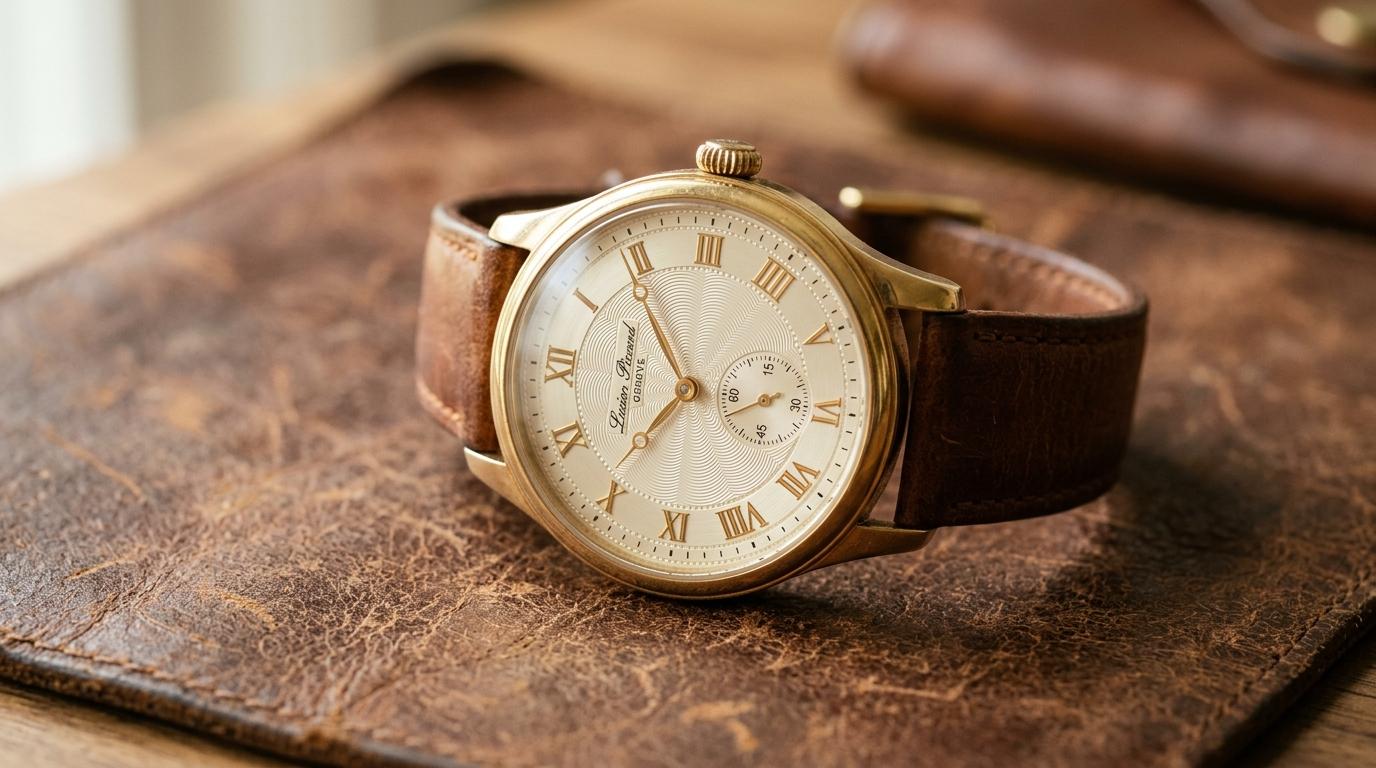
Most people who pick up a Lucien Piccard watch for the first time do so because of how it looks. That is fair. But collectors who dig a little deeper tend to find that the looks follow from something more structural: a set of design and construction decisions that stayed surprisingly stable across decades, even as the company itself went through real ups and downs. Founded in 1923 in Lausanne, Switzerland, Lucien Piccard built its early name on handcrafted luxury timepieces worn by royalty and celebrities. Understanding what made those pieces work means looking at the materials, the movement philosophy, the dial treatment, and a few other details that most buyers miss until they have actually owned one for a while.
Swiss Craftsmanship at the Heart of Every Lucien Piccard Watch
The clearest marker of a vintage piece from this brand is the movement. Early models used genuine Swiss-made mechanical calibers, including Lucien Piccard's own LP 48, a 17-jewel manual-winding movement that shows up in several sought-after dress watch configurations. Many dials carried a "Swiss Made" designation, which in the mid-twentieth century was a real signal of quality control, not just a marketing line.
Production changed over the decades, and later generations of the brand leant on Japanese and Chinese quartz movements to keep prices accessible. That shift drew criticism from serious collectors, and it was fair criticism. But the brand's core identity as a precision timekeeping house did not disappear. The modern Sultan Automatic collection, for instance, uses automatic movements with skeleton dials and exhibition casebacks that show the mechanics in motion. It is a different product from the 1960s dress models, but the underlying intent carries through.
Case Quality and Materials That Age With Dignity
Vintage Lucien Piccard cases in 14K yellow or white gold are still easy to find on the secondary market, and they hold up well. Gold was not a decorative choice in a vacuum. It reflected a stated company mission to use the finest materials available, and in practice it meant cases that aged gracefully rather than wearing through plating or developing the kind of corrosion problems that plagued cheaper alternatives from the same era.
Stainless steel showed up on sportier references, most notably the Seashark line. Joe DiMaggio owned one. That gets mentioned a lot, but it is worth mentioning because it speaks to where the brand sat culturally in its prime. The Seashark balanced water resistance with a clean mid-century case shape, and good examples still look current in a way that a lot of period watches do not. Across the range, the cases share a quality that is harder to quantify: proportions that work. They do not overreach the wrist or underfill it, and they do not age into looking fussy.
Dial Design: Where Art Meets Function
The dial is where these watches actually distinguish themselves. Lucien Piccard treated it as a design surface, not just a readout. Blue dials with diamond hour markers, sunburst gold faces, and mother-of-pearl on ladies' cocktail models. The variety was real, and the execution was usually careful. Color choices were deliberate, and the relationship between the dial color and the case material was considered in a way that many competitors of the era did not bother with.
The use of gemstones was also a genuine differentiator. Lucien Piccard was among the earlier brands to incorporate diamonds and colored stones into both the dial and the case as design elements rather than afterthoughts. Vintage karat gold pieces set with stones are now among the most collectable models and command meaningful premiums in good condition. What is worth noting is that even on the unembellished models, legibility was maintained. Luminous markers on hands, well-chosen numerals, and clean layouts. The dials were designed to be read, not just admired.
The Skeleton and Open-Heart Aesthetic
The skeleton dial has become one of the more visible features in the current lineup, and it suits the brand's history better than it might seem at first. Models like the Sultan Automatic and the Trevi collection use open-heart and skeleton configurations that expose the movement beneath the dial. Skeletal hands and Arabic numerals sit above the visible mechanics, and the exhibition caseback lets you see the rotor from the other side. It is a lot of visual information, but on the better examples it holds together.
The logic behind these designs is worth understanding. The movement in a well-made automatic watch is interesting to look at. Hiding it under a solid dial is one approach. Showing it off is another. Lucien Piccard has leant towards the latter in recent years, partly because it creates visual interest and partly because it signals that the movement is worth looking at. Whether that holds for every current reference is a fair debate, but as a design strategy it connects to the brand's long-standing emphasis on making the craft visible rather than tucking it away.
Straps and Bracelets: The Detail That Completes the Picture
The strap choices across the classic range were never incidental. Vintage dress models paired with dark leather in navy, black, or brown, and the color of the strap was matched to the dial in a way that gives these pieces a cohesive look that is harder to achieve than it appears. Sportier references used steel bracelets with deployment clasps, and the junction between the case and bracelet was designed to flow rather than feel bolted on.
This matters more than buyers often realize when purchasing blindly. A good strap on the right case changes how the whole watch reads on the wrist. Lucien Piccard put real thought into that relationship, and original-configuration pieces from the vintage era show it clearly when you put them on.
The Dufonte Sub-Brand and Accessible Elegance
The Dufonte line deserves specific attention. Introduced in the 1970s under the Lucien Piccard umbrella, Dufonte extended the brand's design vocabulary to lower price points without gutting the core aesthetic. Dufonte pocket and wristwatches share the same dial-first design sensibility as the flagship line, with careful case proportions and considered color use. For collectors, they are excellent entry points. For general buyers, they represent good value. The quartz reliability on later Dufonte pieces is genuinely useful, and the cases have held up in a way that cheaper contemporaries from the same decade have not.
Timeless Identity in a Changing Market
From 14K gold cocktail watches made in the 1950s to the current automatic skeleton references, the defining features of a Lucien Piccard watch have stayed more consistent than the brand's market position has. Swiss movement roots, deliberate dial composition, quality case materials, and careful attention to how the whole thing fits together on the wrist. Those qualities appear in the best examples from every era. Whether you are looking at a vintage Seashark or a current Sultan Automatic, you are looking at a brand with a genuine design identity, which is rarer than it sounds at any price point.

 English
 Arabic
 French
 Spanish
 Portuguese
 Deutsch
 Dutch
Dutch
 Italiano
 Russian
 Romaian
 Portuguese (Brazil)
 Greek
Greek