


Beef Hide Dog Chew: Benefits, Safety, and Choosing the Right One
Dogs have a natural need to chew, and providing an appropriate chew can give them a productive outlet for this behavior. Chewing may also help keep dogs occupied, provide enrichment, and satisfy their natural instincts. However, not every chew is appropriate for every dog, so factors such as size, age, chewing strength, and ingredients should be considered before choosing one.
A beef hide dog chew is a popular option for pet parents looking for a long-lasting chew made from cattle hide. These products are often available in different shapes, sizes, textures, and thicknesses. While many dogs enjoy them, beef hide chews can also carry risks, particularly when dogs break off and swallow large pieces. Understanding how your dog chews is an important part of deciding whether this type of product is suitable.
What Is a Beef Hide Dog Chew?
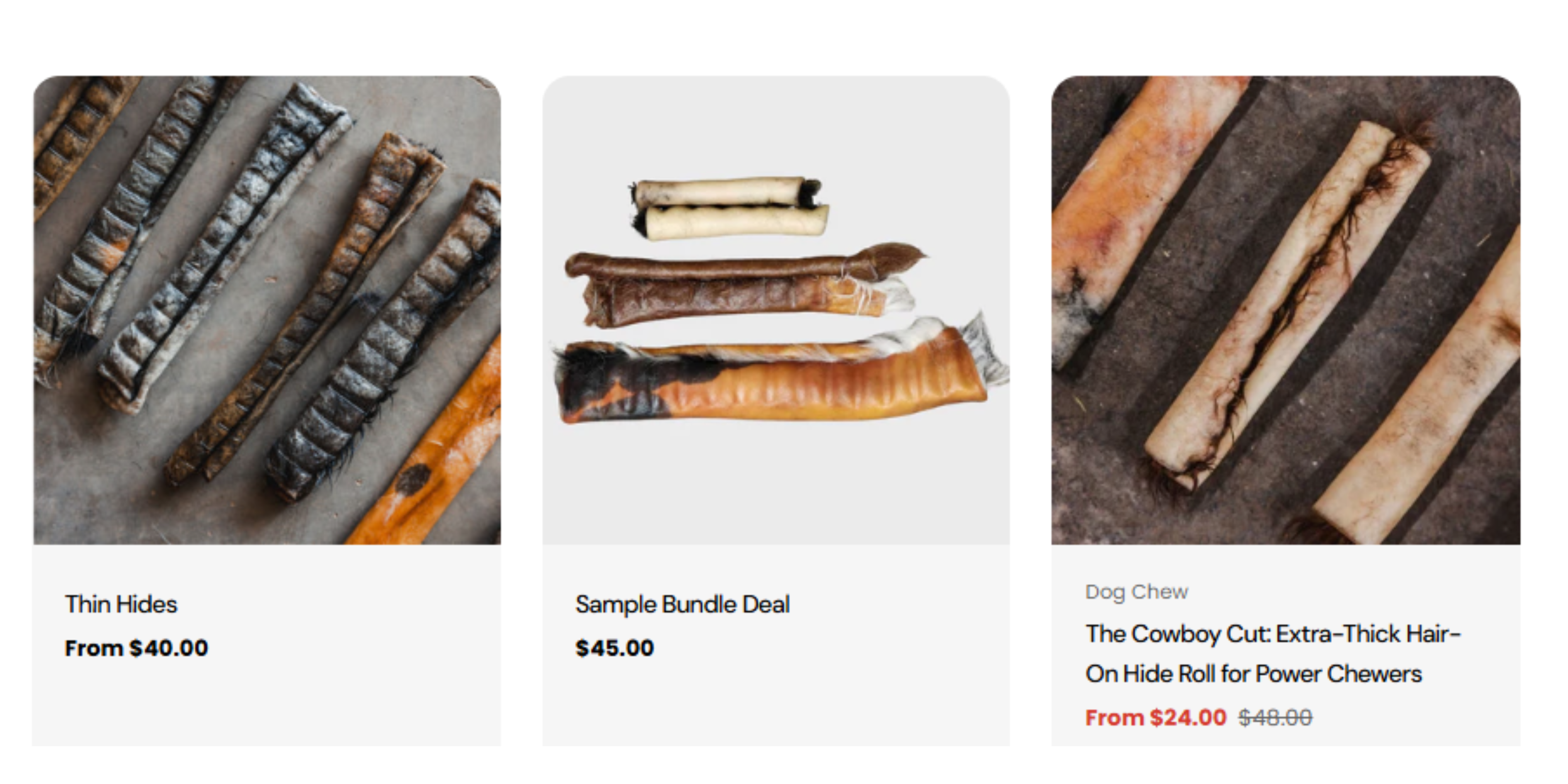
A beef hide dog chew is made from processed cattle hide and is designed to give dogs something durable to chew. Depending on the manufacturer, beef hide may be formed into rolls, strips, sticks, bones, or other shapes.
Traditional beef hide products are closely related to rawhide chews. Processing methods can vary considerably between products, so pet parents should check the ingredient list, sourcing information, and feeding instructions before purchasing.
The fact that a chew is made from beef does not automatically make it safe for every dog. The chew's size, hardness, texture, and digestibility all matter.
Why Do Dogs Like Beef Hide Chews?
Chewing is a normal behavior for dogs. Many dogs enjoy the texture and resistance of a firm chew, particularly when they want an activity that keeps them occupied.
A beef hide chew may provide a longer chewing session than many soft treats. For dogs that enjoy chewing, this can provide mental stimulation and help redirect their attention away from inappropriate household objects.
However, chewing should always be supervised when an edible chew can break into pieces.
Potential Benefits of Beef Hide Chews
When appropriately selected and used, beef hide chews may provide several benefits.
Provides Chewing Enrichment
A chew can give dogs an appropriate outlet for their natural chewing behavior. This can be particularly useful for dogs that regularly seek out shoes, furniture, or other objects to chew.
Offers a Long-Lasting Activity
The firm texture of many beef hide products means dogs may spend significant time working on the chew. This can make it more engaging than treats that are consumed within seconds.
May Help Keep Dogs Occupied
Chewing can be a useful enrichment activity during quiet periods. Some pet parents offer chews when their dogs need an independent activity after exercise or training.
Supports Natural Behavior
Dogs naturally investigate and interact with objects using their mouths. Appropriate chewing opportunities can form part of a balanced enrichment routine.
Are Beef Hide Dog Chews Safe?
Safety depends on the individual dog, the product, and how it is used. Beef hide and rawhide-style chews can present choking and digestive obstruction risks if a dog breaks off and swallows large pieces.
Some dogs slowly gnaw on a chew, while others aggressively tear pieces away. A powerful chewer may be able to reduce a beef hide chew into swallowable pieces quickly.
For this reason, never assume that a long-lasting chew is automatically safe simply because it is sold for dogs.
If your dog has a history of swallowing treats quickly, ask your veterinarian whether a different type of chew would be more appropriate.
Potential Risks of Beef Hide Chews
Choking
Large pieces can become lodged in a dog's throat. This is especially concerning when a dog attempts to swallow a piece without chewing it properly.
Intestinal Blockage
Beef hide and traditional rawhide can be difficult to digest. A swallowed chunk may potentially become lodged in the digestive tract.
Signs such as repeated vomiting, loss of appetite, lethargy, abdominal discomfort, or difficulty passing stool require prompt veterinary attention.
Digestive Upset
Some dogs may experience loose stools, vomiting, gas, or other digestive problems after chewing or swallowing hide products.
Dental Damage
Very hard chews may place significant pressure on teeth. Dogs that bite down forcefully may be at greater risk of dental injury from excessively hard products.
Ingredient or Processing Concerns
Beef hide products can differ in how they are processed and what additional ingredients they contain. Always review the label and choose products from manufacturers that provide clear information about ingredients and production.
How to Choose the Right Beef Hide Chew
Choosing the right product starts with your dog's individual characteristics.
Consider Your Dog's Size
Select a chew that matches your dog's size and weight. A small chew may become a swallowing hazard for a large dog, while a very large or firm product may be unsuitable for a small dog.
Consider Chewing Strength
Your dog's chewing style may be more important than breed alone. If your dog is an aggressive chewer and quickly breaks off large pieces, traditional beef hide may not be the best option.
Check the Texture
Avoid extremely hard products that may put excessive pressure on your dog's teeth. The chew should be appropriate for your dog's chewing ability.
Review the Ingredients
Look for clear ingredient information. Avoid assuming that all beef hide products are made in exactly the same way.
Follow Age Recommendations
Some beef hide products may not be appropriate for puppies or younger dogs. Always follow the product's recommended age range and ask your veterinarian if you are unsure.
Always Supervise Chewing
Supervision is one of the most important safety measures when giving your dog an edible chew.
Watch how your dog handles the product during the first few sessions. If the dog starts tearing off large pieces, swallowing chunks, or attempting to gulp the chew, remove it.
The chew should also be discarded when it becomes small enough to swallow whole or develops loose sections that can easily break away.
Never leave a dog unattended with an edible chew simply because it is advertised as durable.
Beef Hide vs. Other Dog Chews
Beef hide is only one option among many dog chews. Depending on the dog's chewing habits and dietary needs, alternatives may include digestible animal-based chews, dental chews, rubber enrichment toys, or other products designed for supervised chewing.
There is no single chew that is ideal for every dog. A gentle chewer may handle a product differently from a dog that aggressively tears apart everything it receives.
The best choice should balance durability, digestibility, size, texture, and safety.
Can Puppies Have Beef Hide Chews?
Extra caution is recommended with puppies. Puppies have developing teeth and may have different chewing and swallowing habits than adult dogs.
Traditional rawhide-style products may not be appropriate for every puppy because of the potential for choking and digestive obstruction. A veterinarian can help determine whether a particular chew is suitable based on the puppy's age, size, dental development, and chewing behavior.
How Often Should Dogs Have Beef Hide Chews?
There is no universal schedule for every dog. Chews should be offered as part of an overall feeding and enrichment routine.
Follow the manufacturer's recommendations and account for the chew's calories alongside your dog's regular diet and other treats.
If your dog develops digestive upset after chewing a beef hide product, discontinue it and discuss alternative options with your veterinarian.
Choosing a Beef-Based Dog Chew
If you're shopping for beef-based dog chews, focus on more than the flavor. Look at the ingredients, size, texture, processing information, and your dog's chewing style.
Ugly Chews is one brand to consider when looking for beef-based dog chews. Regardless of the brand you select, choose a product appropriate for your dog's size and chewing behavior and supervise every chewing session.
Final Thoughts
A beef hide dog chew can provide a satisfying and long-lasting chewing activity for some dogs, but it is not risk-free. Choking, swallowed pieces, digestive obstruction, stomach upset, and dental concerns are important factors to consider.
The safest approach is to choose an appropriately sized product, monitor your dog's chewing habits, remove large broken pieces, and discard the chew once it becomes too small or damaged. If your dog is a puppy, aggressive chewer, fast eater, or has a sensitive digestive system, talk with your veterinarian before introducing beef hide.
With careful product selection and active supervision, pet parents can make more informed decisions about whether a particular beef-based chew fits their dog's needs.

 English
 Arabic
 French
 Spanish
 Portuguese
 Deutsch
 Turkish
 Dutch
Dutch
 Italiano
 Russian
 Romaian
 Greek
Greek