


Exosome Hair Therapy for Early Hair Thinning
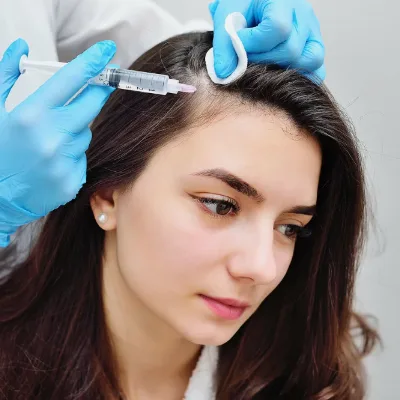
Early hair thinning can be easy to overlook. A slightly wider part, increased hair shedding, or a less dense hairline may initially seem insignificant, but these changes can become more noticeable over time. Addressing hair concerns early gives individuals an opportunity to understand the possible cause and explore appropriate treatment options.
Among the newer approaches being discussed in hair restoration, exosomes hair therapy has attracted attention for its potential to support existing hair follicles and the surrounding scalp environment. While research is still evolving, the treatment is becoming an area of interest for people who want to explore non-surgical options for early thinning.
What Is Early Hair Thinning?
Early hair thinning occurs when hair density gradually decreases or individual strands become finer. It can affect both men and women and may appear in different patterns.
Some people notice more hair in their brush or shower drain, while others see changes around the temples, crown, or part line. In some cases, thinning is related to genetics. Hormonal changes, aging, stress, illness, nutritional issues, medications, and scalp conditions can also contribute.
Because hair loss has many possible causes, identifying the underlying reason is an important first step before choosing any treatment.
Why Address Thinning Early?
Early intervention does not guarantee that hair loss will stop, but it can encourage people to seek an accurate assessment before thinning becomes more advanced.
When existing follicles are still producing hair, treatments designed to support the scalp and follicles may have a different role than they would in areas where follicles have been permanently lost.
An early evaluation can also identify factors such as nutritional concerns, hormonal changes, or scalp conditions that may require specific treatment.
What Is Exosome Hair Therapy?
Exosomes are tiny extracellular vesicles released by cells. They participate in cell-to-cell communication and can carry various biological molecules involved in signaling.
In hair restoration research, exosomes are being investigated for their potential to support the environment around hair follicles. The approach is different from hair transplantation because it does not involve surgically moving follicles from a donor area.
The goal of exosomes hair therapy is generally to support existing follicles and promote a favorable environment for healthy-looking hair.
How May It Help With Early Thinning?
The potential value of exosomes hair therapy is related to the biological signals associated with exosomes. Researchers are examining whether these signals may influence processes involved in the local scalp environment and follicle activity.
For someone experiencing early thinning, supporting existing follicles may potentially help improve the appearance of hair quality or density. However, these outcomes are not guaranteed, and more research is needed to establish how effective different exosome treatments are for various types of hair loss.
Patients should therefore view this therapy as an emerging option rather than a proven solution for every case.
Potential Benefits
People considering exosome-based therapy may be interested in several potential benefits, including:
-
Supporting existing hair follicles
-
Improving the appearance of early thinning
-
Supporting scalp health
-
Helping hair look fuller or healthier
-
Offering a non-surgical approach
-
Potentially complementing other hair restoration strategies
The actual outcome can depend on the cause of thinning, age, genetics, scalp health, follicle condition, and the treatment protocol used.
What Happens During Treatment?
The treatment process can vary between providers. It usually begins with a consultation and scalp assessment. The provider may review the patient's hair-loss history and examine the pattern and severity of thinning.
Before treatment, the scalp is generally cleaned and prepared. An exosome-based preparation may then be applied or introduced to targeted areas using the provider's chosen technique.
Some procedures use minimally invasive delivery methods. Patients should ask what product is being used, where it comes from, how it is prepared, and what evidence supports its use.
Recovery and Aftercare
Recovery depends on the specific treatment technique. Temporary redness, tenderness, swelling, or scalp sensitivity may occur in some cases.
Aftercare instructions can include avoiding unnecessary scalp manipulation and certain hair products for a specified period. Providers may also recommend temporarily limiting strenuous activity or direct sun exposure.
Following professional instructions is important for reducing irritation and supporting a comfortable recovery.
When Can Results Appear?
Hair restoration is a gradual process. Since hair follicles operate through natural growth cycles, changes are unlikely to appear immediately following treatment.
Some individuals may notice gradual changes in the appearance of hair density or quality over time. Others may experience minimal improvement. Follow-up assessments can help determine how the hair is responding.
Taking photographs before and after treatment under consistent conditions can provide a clearer way to monitor subtle changes.
Who May Be a Candidate?
People with early thinning and viable existing follicles may be interested in discussing exosome therapy with a qualified professional. However, suitability depends on the underlying cause of hair loss.
Anyone experiencing sudden, patchy, or unexplained hair loss should receive an appropriate medical evaluation. Treating an underlying condition may be more important than pursuing a cosmetic procedure.
A professional can also explain established treatments and help compare them with emerging options.
How to Choose a Provider
Choosing a qualified provider is essential. Before treatment, ask about the practitioner's experience, qualifications, treatment protocol, product source, possible side effects, and expected outcomes.
Be cautious of providers who promise guaranteed regrowth or claim that exosome therapy works for every form of hair loss. A trustworthy professional should explain both the potential benefits and the limitations of the available evidence.
Final Thoughts
Early hair thinning can be an opportunity to investigate the cause of hair changes and explore suitable options before the condition progresses. Exosomes hair therapy is an emerging approach that may support existing follicles and the scalp environment, making it an option some individuals may wish to discuss with a qualified professional.
Because research is still developing, realistic expectations are important. A personalized evaluation, careful provider selection, healthy hair-care habits, and consideration of established treatments can help individuals make informed decisions about managing early hair thinning.
For more information visit Royal Hair Transplant clinic in islamabad

 English
 Arabic
 French
 Spanish
 Portuguese
 Deutsch
 Turkish
 Dutch
Dutch
 Italiano
 Russian
 Portuguese (Brazil)
 Greek
Greek