


Blepharoplasty Instruments: Essential Tools for Precise Eyelid Surgery
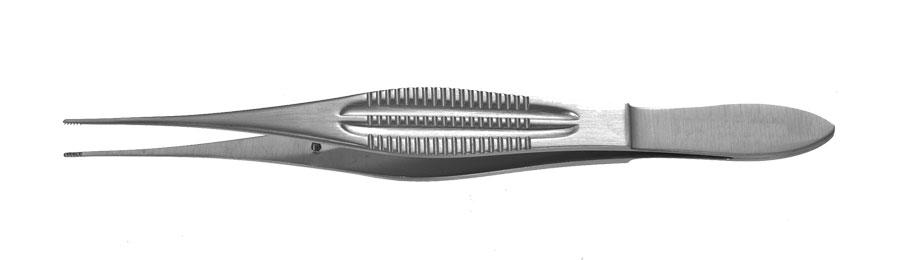
Blepharoplasty is a delicate surgical procedure involving the eyelids and surrounding tissues. Because the area around the eyes contains fine skin, muscles, blood vessels, and other sensitive structures, surgeons require instruments that provide excellent control and precision. The right blepharoplasty instruments can help support accurate tissue handling, dissection, cutting, suturing, and other steps involved in eyelid procedures.
A specialized instrument set can also help surgical teams stay organized by keeping commonly required tools together and readily available. The exact instruments needed vary according to the surgical technique, procedure, and surgeon's preferences.
What Are Blepharoplasty Instruments?
Blepharoplasty instruments are specialized surgical tools used during eyelid surgery. They are designed to help surgeons perform precise movements in a relatively small surgical field.
Depending on the procedure, an instrument set may include fine forceps, scissors, needle holders, retractors, clamps, and other specialized tools. Many instruments have narrow working ends and ergonomic handles to provide greater control when manipulating delicate tissues.
Blepharoplasty may be performed for functional or aesthetic reasons, and the instruments selected should correspond to the specific surgical requirements.
Common Instruments Used in Blepharoplasty
A comprehensive blepharoplasty instrument set can contain several types of instruments. Each has a specific role during surgery.
Fine Forceps
Fine forceps are used to grasp and manipulate tissues or surgical materials. Their delicate tips allow controlled handling within the small operative area around the eyelids.
Different forceps designs may be selected depending on whether the surgeon needs a smooth, atraumatic grip or a more secure hold.
Surgical Scissors
Fine scissors are commonly used for cutting tissue and surgical materials. Straight and curved designs can provide different levels of access and control.
Sharp, well-aligned blades are important for controlled cutting, particularly when working around delicate eyelid structures.
Needle Holders
Needle holders are used to hold and guide surgical needles during wound closure. Precision needle holders can be particularly useful when fine sutures are required.
The appropriate size and jaw configuration can help the surgeon maintain control while placing sutures accurately.
Retractors
Retractors help maintain exposure of the surgical field by gently moving tissues away from the area being treated. Small retractors are often appropriate for procedures involving the eyelids because the surgical field is relatively confined.
The selected retractor should provide adequate access while being appropriate for the tissues involved.
Hemostatic Instruments
Bleeding control is an important consideration during surgery. Small clamps and other hemostatic instruments may be included in a blepharoplasty set to assist with controlling bleeding when required.
Instrument selection should depend on the specific procedure and the surgeon's established technique.
Why Precision Matters in Eyelid Surgery
The eyelids require careful surgical handling because of their delicate anatomy and important role in protecting the eye. Instruments that are too large, poorly balanced, or unsuitable for the procedure may make precise manipulation more difficult.
Precision-designed instruments can provide several practical advantages, including:
-
Better control during delicate movements
-
Accurate tissue manipulation
-
Improved handling of fine sutures
-
Easier access to confined surgical areas
-
Consistent instrument performance
-
Efficient surgical workflow
However, surgical instruments are only one component of a procedure. Patient safety and surgical outcomes depend on appropriate clinical assessment, qualified surgical expertise, and established medical protocols.
Features to Look for in Blepharoplasty Instruments
When purchasing or assembling a blepharoplasty instrument set, healthcare facilities should consider several factors.
Appropriate Size
Eyelid procedures often involve a relatively small operative field. Instruments with appropriately sized working ends can help provide the control required for delicate surgical tasks.
Ergonomic Handles
An ergonomic handle can make an instrument more comfortable to use during procedures. Balance and grip are especially relevant when instruments need to be manipulated with controlled movements.
High-Quality Materials
Reusable surgical instruments are commonly manufactured from stainless steel because of its strength, durability, and corrosion resistance. The specific material and manufacturing specifications should be confirmed with the manufacturer.
Precise Construction
Tips, jaws, hinges, and cutting edges should be accurately manufactured and properly aligned. Precision construction can contribute to reliable instrument performance.
Sterilization Compatibility
Reusable instruments must be compatible with the cleaning and sterilization procedures used by the healthcare facility. Manufacturers' instructions should always be followed.
Benefits of a Dedicated Blepharoplasty Instrument Set
A dedicated set can make it easier for surgical teams to prepare for eyelid procedures. Instead of collecting individual instruments from different general-purpose sets, commonly required tools can be organized together.
This can support:
-
Faster surgical preparation
-
Better instrument organization
-
Easier inventory management
-
Consistent procedure setup
-
Simplified cleaning and sterilization workflows
The contents of a set should still be reviewed carefully to ensure that it matches the procedures performed by the surgical team.
Maintaining Blepharoplasty Surgical Instruments
Proper maintenance is essential for reusable surgical instruments. Following each procedure, instruments should be cleaned and processed according to established healthcare protocols and manufacturer recommendations.
Before sterilization, instruments should be inspected to ensure that visible contaminants have been removed. After processing, surgical teams should check instruments for signs of damage or wear.
Common inspection points include:
-
Misaligned tips
-
Damaged jaws
-
Dull cutting edges
-
Loose joints
-
Corrosion or surface damage
-
Malfunctioning locks
Any instrument that does not function correctly should be removed from use and evaluated by appropriately trained personnel.
Careful storage is also important. Precision instruments should be protected from unnecessary impact and contamination between procedures.
Choosing a Reliable Instrument Supplier
The supplier is an important consideration when purchasing blepharoplasty instruments. Healthcare organizations should look beyond price and evaluate product specifications, manufacturing quality, consistency, documentation, and supplier support.
A reliable supplier should be able to provide clear information about instrument materials, dimensions, intended applications, cleaning requirements, and applicable quality standards.
For facilities purchasing complete sets, it is also useful to confirm that the included instruments correspond with the procedures and techniques used by their surgical professionals.
The Role of Specialized Instruments in Modern Eyelid Surgery
As surgical techniques continue to evolve, specialized instruments remain an important part of procedure preparation. Surgeons may require different instrument configurations depending on whether they are performing upper eyelid surgery, lower eyelid surgery, revision procedures, or procedures combined with other treatments.
There is therefore no single instrument configuration suitable for every blepharoplasty procedure. The selection should be guided by the surgeon's technique, the patient's clinical requirements, and the facility's established protocols.
Conclusion
Blepharoplasty instruments are designed to support the precision and control required during eyelid surgery. Fine forceps, scissors, needle holders, retractors, clamps, and other specialized tools can help surgeons perform specific surgical tasks within a small and delicate operative field.
When selecting these instruments, healthcare providers should consider size, ergonomics, construction quality, materials, sterilization compatibility, and intended application. Proper cleaning, inspection, sterilization, and storage are equally important for maintaining instrument performance.
A carefully selected and maintained blepharoplasty instrument set can contribute to an organized surgical environment and provide qualified surgical professionals with the appropriate tools for delicate eyelid procedures.

 English
 Arabic
 French
 Spanish
 Portuguese
 Deutsch
 Turkish
 Dutch
Dutch
 Russian
 Romaian
 Portuguese (Brazil)
 Greek
Greek