


Sports Injury Rehabilitation: How Physiotherapy Helps Athletes Recover Faster
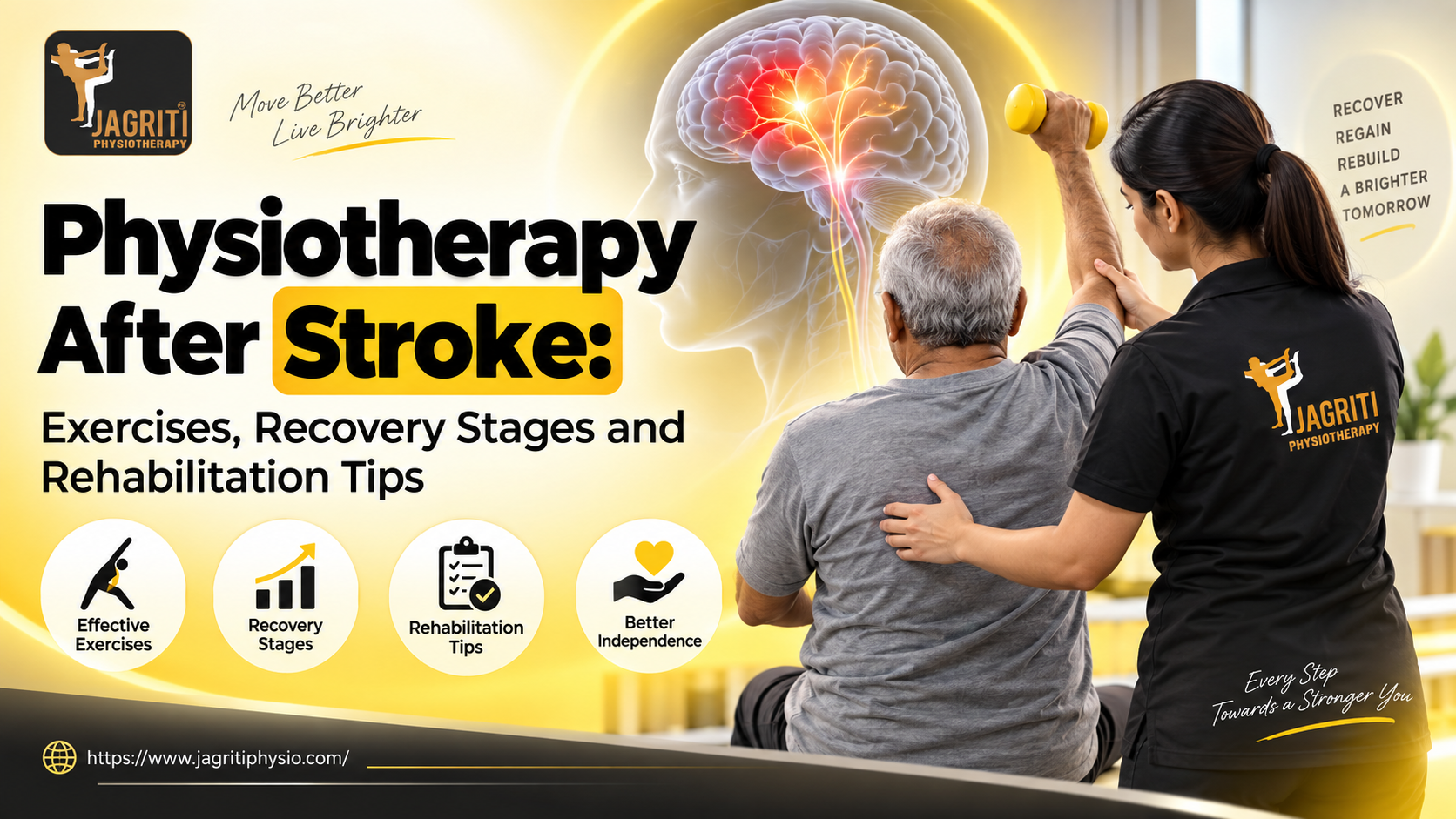
Physiotherapy After Stroke: Exercises, Recovery Stages and Rehabilitation Tips
A stroke can change a person’s life suddenly. It may affect movement, balance, coordination, speech, memory, or the ability to perform everyday activities. For some people, recovery may happen within weeks, while for others it can take months or even years.
The good news is that recovery does not necessarily stop after leaving the hospital. With the right rehabilitation, regular practice, and support, many people can continue improving their movement and independence over time.
Physiotherapy after stroke plays an important role in this process. It focuses on helping a person move more safely, improve strength and balance, and gradually return to daily activities.
What Happens to the Body After a Stroke?
A stroke occurs when blood flow to part of the brain is interrupted or when a blood vessel in the brain bleeds. Because different areas of the brain control different functions, the effects can vary greatly.
A person may experience:
- Weakness on one side of the body
- Difficulty walking
- Poor balance or coordination
- Stiff or tight muscles
- Difficulty moving an arm or leg
- Trouble getting up from a chair or bed
- Changes in sensation
- Difficulty performing everyday tasks
Not everyone experiences the same problems. This is why stroke rehabilitation needs to be based on the individual's condition rather than following the same exercise routine for everyone.
How Does Physiotherapy Help After a Stroke?
Physiotherapy mainly focuses on improving physical movement and helping the person become more independent.
A physiotherapist may work on:
Walking and mobility: Learning to stand, transfer from a bed to a chair, walk safely and eventually manage stairs.
Balance: Exercises can help improve body control and reduce the risk of falling.
Strength: Weak muscles may need gradual strengthening through carefully selected exercises.
Coordination: Repeated movements can help the brain and body work together more effectively.
Range of movement: Gentle movements can help maintain joint flexibility and reduce stiffness.
Daily activities: Therapy can also involve practicing movements needed for everyday life.
Stroke rehabilitation often uses repeated, purposeful movements because practicing a task regularly can help a person relearn skills and improve function.
Stroke Recovery Stages
There is no single recovery timeline that applies to everyone. However, it can be helpful to understand recovery in broad stages.
1. Early Recovery
The early stage usually begins in the hospital once the person is medically stable.
The focus may include:
- Maintaining safe movement
- Sitting and standing
- Basic transfers
- Preventing complications from inactivity
- Beginning simple movement exercises
- Improving awareness of the affected side
Rehabilitation may begin relatively early when medically appropriate, but the healthcare team decides when a person is ready.
2. Active Rehabilitation
As the person becomes stronger, physiotherapy may become more focused on walking, balance, coordination and everyday movements.
For example, a person might practice:
- Standing with support
- Shifting weight from one leg to another
- Walking with an appropriate walking aid
- Reaching for objects
- Moving the affected arm
- Getting up and sitting down safely
The exercises are usually adjusted as the person's abilities improve.
3. Long-Term Recovery
Recovery does not necessarily end when formal therapy finishes.
Some people continue working on strength, balance, walking and fitness for months or years. The American Stroke Association notes that improvements can continue long after a structured rehabilitation program has ended.
The goal is not simply to complete exercises. It is to make everyday activities easier and safer.
Exercises Commonly Used After Stroke
The right exercises depend on the person's strength, balance, coordination and medical condition. Exercises should therefore be selected with guidance from a healthcare professional or physiotherapist.
Depending on the individual's abilities, rehabilitation may include:
Supported Sitting and Standing
Practicing sitting upright and standing with appropriate support can help develop trunk control, leg strength and confidence.
Weight-Shifting Exercises
The person may practice gently shifting weight from one side to another while holding a stable support. This can help with balance and preparation for walking.
Heel Slides
While lying down, the person may slowly bend and straighten the knee by sliding the heel along the surface. This can help work on hip and knee movement.
Arm and Shoulder Movements
Gentle, controlled arm movements can help maintain mobility. The affected shoulder needs particular care because incorrect or forceful movements can cause pain.
Walking Practice
Walking exercises may begin with support and gradually become more independent as appropriate. A cane, walker or other mobility aid may sometimes be recommended.
Strength, balance and mobility exercises are common parts of stroke rehabilitation, but they should be progressed according to the individual's ability.
Important Rehabilitation Tips for Families
Recovery after stroke can be frustrating, especially when progress seems slow. A few simple habits can make rehabilitation easier.
Be consistent: Regular practice is generally more useful than doing a large amount of exercise occasionally.
Set small goals: Instead of focusing only on walking independently, start with achievable goals such as standing safely or walking a few additional steps.
Avoid rushing: More exercise is not always better. Fatigue and poor technique can make exercises unsafe.
Make the home safer: Remove loose rugs and obstacles, keep frequently used items within easy reach and make sure walking areas are well lit.
Encourage independence: Help when necessary, but allow the person to perform safe tasks themselves when possible.
Include family members: Family support can make rehabilitation easier emotionally and practically.
Can Exercise Help With Long-Term Recovery?
Yes, physical activity can be an important part of life after stroke. Regular activity may support mobility, balance, physical fitness and overall well-being. It may also help reduce the amount of time spent sitting or inactive.
However, exercise after stroke should not be treated like a normal fitness program. The type, intensity and progression need to match the person's abilities and medical condition.
Someone with significant weakness, poor balance or mobility problems may benefit from supervised exercise rather than attempting challenging exercises alone.
When Should You Seek Professional Guidance?
If someone has recently experienced a stroke, exercises should ideally be planned after an assessment by the appropriate healthcare team.
Professional guidance becomes especially important when there is:
- Significant weakness
- Frequent falls
- Severe balance problems
- Shoulder pain
- Increasing muscle stiffness
- Difficulty walking
- New or worsening symptoms
- Extreme fatigue during exercise
It is also important to remember that physiotherapy is only one part of stroke rehabilitation. Depending on the person's needs, recovery may involve doctors, physiotherapists, occupational therapists, speech and language professionals, nurses and other specialists.
Final Thoughts
Stroke recovery is a journey rather than a fixed timetable. Some people make noticeable progress quickly, while others need much more time. What matters is having realistic goals, practicing safely and continuing rehabilitation as recommended.
Physiotherapy after stroke can help improve movement, strength, balance and independence. With regular practice and the right support, even small improvements can make everyday activities easier.
Most importantly, do not compare one person's recovery with another's. Every stroke affects the brain differently, and every rehabilitation plan should be adapted to the individual's needs.

 English
 Arabic
 French
 Spanish
 Portuguese
 Deutsch
 Dutch
Dutch
 Italiano
 Russian
 Romaian
 Portuguese (Brazil)
 Greek
Greek