


Tracheostomy Care and Skin Irritation: Prevention and Management
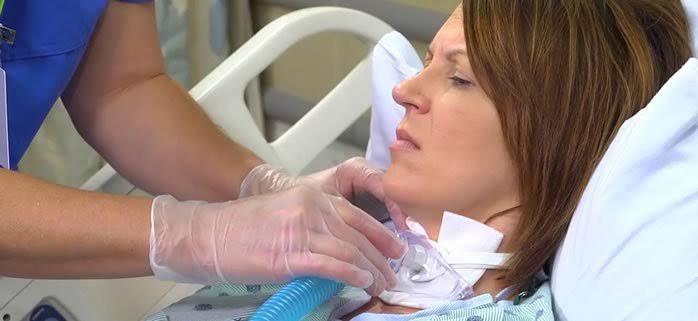
Maintaining healthy skin around the tracheostomy opening is an important part of safe airway care. With professional Tracheostomy care at home Dubai, patients can receive regular support with stoma care, tube management, and skin monitoring in a familiar environment. A Doctor at Home can also provide medical guidance when irritation or other changes require assessment. Understanding the common causes of skin irritation and learning appropriate prevention strategies can help caregivers protect the skin and identify potential problems early.
Why Skin Care Matters During Tracheostomy Care:
The skin surrounding the tracheostomy, known as the stoma area, can be exposed to moisture, mucus, friction, pressure, and movement of the tube or securing ties. These factors can gradually irritate the skin and may contribute to redness, soreness, or breakdown. Because the tracheostomy provides a direct airway, maintaining a clean and healthy surrounding area is important for overall care. Regular inspection can help caregivers recognize changes before they become more significant and ensure that concerns are discussed with the appropriate healthcare professional.
Common Causes of Skin Irritation:
Several factors can contribute to irritation around a tracheostomy site. Moisture from secretions may remain against the skin, while friction can occur when the tube moves or ties rub against the neck. Sensitivity to adhesives or cleaning products can also cause redness. Common causes include:
- Excessive moisture around the stoma
- Leakage of respiratory secretions
- Friction from the tracheostomy tube
- Tight or improperly positioned securing ties
- Pressure from equipment
- Frequent handling of the stoma
- Inadequate skin cleansing
- Sensitivity to certain materials or products
Identifying the likely cause can help the healthcare team recommend appropriate changes to the patient's care routine.
Recognizing Early Signs of Irritation:
Caregivers should inspect the skin regularly and become familiar with its normal appearance. Mild redness may occur after handling, but persistent or worsening changes should not be ignored. Early signs of irritation can include dryness, redness, tenderness, itching, or slight swelling. If the skin becomes increasingly painful, develops open areas, bleeds easily, or produces unusual discharge, professional assessment may be necessary. Monitoring the site consistently makes it easier to identify changes and communicate accurate information to the patient's healthcare provider.
Keeping the Stoma Area Clean:
Gentle and appropriate cleaning can help reduce the accumulation of secretions and other material around the stoma. Caregivers should follow the cleaning technique recommended by the patient's healthcare team because requirements can vary depending on the patient's condition and type of tracheostomy. The area should be handled carefully to avoid unnecessary friction. Only recommended cleaning materials should be used, and caregivers should avoid introducing unapproved products around the opening. Proper hand hygiene before and after tracheostomy care is also essential.
Managing Moisture Around the Skin:
Excess moisture is a common contributor to skin irritation. Secretions that collect beneath or around the tracheostomy can leave the surrounding skin damp and vulnerable to breakdown. Appropriate dressings or other protective materials may be recommended by healthcare professionals to manage moisture. These materials should be changed according to the patient's care plan and whenever they become excessively wet or soiled. Caregivers should avoid leaving damp materials against the skin for extended periods, while also taking care not to disturb the tube unnecessarily during routine care.
Choosing Appropriate Tracheostomy Dressings:
A suitable dressing can help absorb secretions and protect the skin from moisture and friction. However, not every dressing is appropriate for every patient. The healthcare team may recommend a specific tracheostomy dressing based on the amount of drainage, skin condition, and type of tube. Caregivers should avoid cutting or modifying dressings in ways that could leave loose fibers near the airway. Dressing changes should be performed gently and according to professional instructions.
Preventing Friction and Pressure:
Repeated movement of the tracheostomy tube can cause friction against delicate skin. At the same time, securing the tube too tightly can create pressure and discomfort. The securing system should therefore be appropriately positioned according to professional instructions. Caregivers should watch for marks, swelling, or areas of pressure around the neck. If the tube or ties appear loose, damaged, or incorrectly positioned, professional assistance should be sought rather than making unfamiliar adjustments independently.
Protecting Sensitive or Damaged Skin:
When irritation has already developed, the priority is to identify and address the underlying cause while preventing further injury. Caregivers should not automatically apply creams, ointments, powders, or antiseptic solutions because some products can irritate the area or interfere with the tracheostomy dressing. A healthcare professional can determine whether a particular skin-protection product is appropriate. If the skin is broken, painful, increasingly red, or showing signs of infection, timely medical evaluation is important.
Signs That May Indicate Infection:
Skin irritation does not always mean infection, but certain changes can indicate that professional assessment is needed. Caregivers should monitor for a combination of local and general symptoms, including:
- Increasing redness or warmth
- Swelling around the stoma
- Worsening tenderness or pain
- Pus-like discharge
- Unpleasant odor
- Persistent bleeding
- Fever or chills
- Rapid deterioration of the skin
These symptoms can have different causes, so caregivers should avoid self-diagnosing the problem. Prompt professional assessment can help determine whether treatment is required.
Managing Secretions to Protect the Skin:
Effective secretion management can reduce the amount of mucus that comes into contact with the skin. Depending on the patient's condition, the care plan may include humidification, hydration recommendations, coughing techniques, or prescribed suctioning. Caregivers should follow the exact instructions provided by the healthcare team. Suctioning should only be performed by people who have received appropriate training, as improper technique can irritate the airway and surrounding tissues. Keeping the patient's airway-care routine consistent can support both respiratory comfort and skin protection.
Maintaining Good Hand Hygiene:
Hands can transfer bacteria and other microorganisms to the stoma area, making hand hygiene an important part of every care routine. Caregivers should clean their hands before and after handling the tracheostomy, its dressings, or related equipment. If gloves are required as part of the patient's care plan, they should be used correctly and changed when necessary. Good hand hygiene should remain consistent even when the stoma appears clean because microorganisms are not always visible.
Avoiding Unnecessary Products:
The skin around a tracheostomy can be sensitive, and unnecessary products may cause additional irritation. Perfumes, alcohol-based products, powders, adhesives, and topical medications should not be used unless specifically recommended. Even products commonly used for general skin care may not be suitable near a tracheostomy. Caregivers should ask the healthcare team before introducing anything new around the stoma, especially when the patient already has redness or damaged skin.
Creating a Daily Skin-Monitoring Routine:
A simple daily routine can make skin problems easier to identify. During scheduled tracheostomy care, caregivers can observe the color and condition of the surrounding skin, check for moisture or secretions, and assess whether the patient reports discomfort. Useful observations to record may include:
- Skin color and appearance
- Amount of moisture or drainage
- Presence of redness or swelling
- Pain or tenderness
- Condition of the dressing
- Condition of securing ties
- Changes in secretion amount or appearance
Keeping consistent records can help healthcare professionals identify patterns and determine whether adjustments to the care plan are needed.
When Professional Help Is Necessary:
Some skin changes can be managed through routine care, while others require professional assessment. Persistent irritation, open wounds, unusual discharge, increasing swelling, bleeding, or suspected infection should be reported to the patient's healthcare provider. Professional home nursing can also help caregivers maintain appropriate tracheostomy routines and recognize changes in the stoma or surrounding skin. Severe breathing difficulty, significant bleeding, or suspected airway obstruction is an emergency and requires immediate medical assistance rather than waiting for a routine home visit.
Final Thoughts:
Preventing and managing skin irritation is an essential part of effective tracheostomy care. Regular inspection, appropriate cleaning, moisture management, careful dressing changes, proper tube stabilization, and good hand hygiene can help protect the delicate skin around the stoma. Caregivers should follow individualized medical instructions and seek professional advice when irritation persists or concerning symptoms develop. With dependable Tracheostomy care at home Dubai, patients can receive consistent support that promotes airway safety, skin health, comfort, and better overall tracheostomy management.

 English
 Arabic
 French
 Spanish
 Portuguese
 Deutsch
 Turkish
 Dutch
Dutch
 Italiano
 Russian
 Portuguese (Brazil)
 Greek
Greek