


Finding the Right Path to Recovery from Drug and Alcohol Addiction
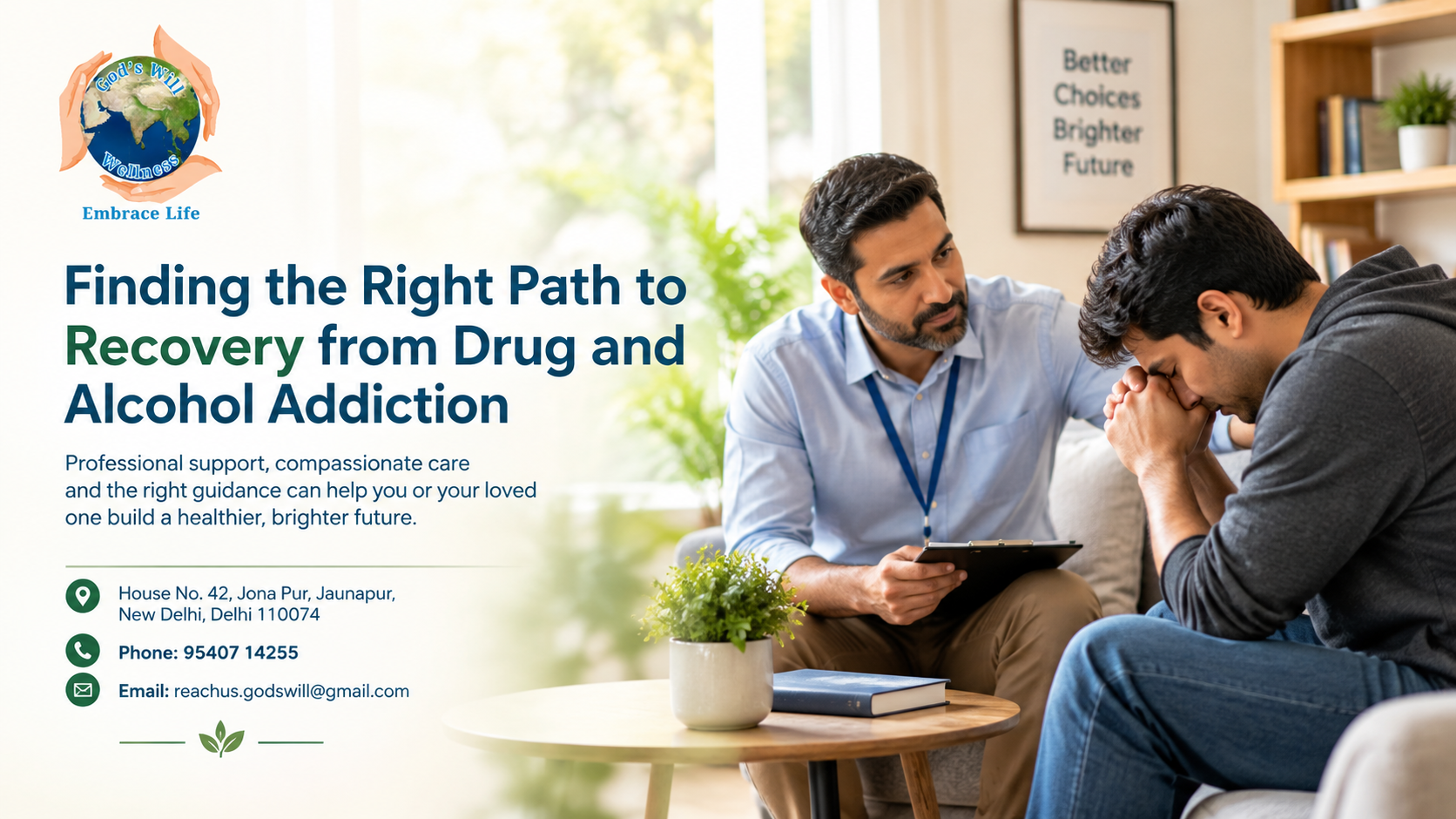
Drug and alcohol addiction can slowly change a person’s health, relationships, work, confidence, and everyday life. What may begin as occasional drinking or experimentation with drugs can gradually become a habit that feels difficult to control. For the person struggling with addiction, stopping may not simply be a matter of willpower. They may need professional guidance, emotional support, a structured environment, and time to rebuild their physical and mental well-being.
At God’s Will Wellness, we believe that recovery should begin with understanding rather than judgment. Addiction is a serious concern, but it does not have to define a person’s entire life. With the right support and commitment, a person can take steps towards a healthier and more stable future.
Understanding When a Habit Becomes an Addiction
Many families initially find it difficult to understand whether someone is simply drinking or using substances frequently or whether the situation has developed into dependence. Some common warning signs include regularly consuming alcohol or drugs despite negative consequences, losing interest in normal activities, experiencing changes in behaviour, neglecting responsibilities, hiding substance use, or repeatedly trying and failing to stop.
Physical and emotional changes can also appear. A person may experience irritability, sleep problems, changes in appetite, poor concentration, anxiety, or withdrawal symptoms when they attempt to stop using a substance.
It is important not to respond to these signs with insults, threats, or constant criticism. Shame can make someone withdraw further. A calm conversation and professional assessment can be a more constructive first step.
Why Professional Support Can Make a Difference
Recovery is different for every individual. Some people may need medical supervision, while others may require counselling, behavioural support, family involvement, or a combination of approaches.
A professional rehabilitation programme can provide a structured environment where individuals can focus on recovery away from some of the triggers and pressures associated with their daily routine. Counselling can help them understand the reasons behind substance use and develop healthier ways to deal with stress, emotions, relationships, and difficult situations.
At God’s Will Wellness, the focus is on creating a supportive recovery environment where individuals can work towards positive changes while their families receive guidance about how to support them.
Choosing a Nasha Mukti Kendra in Delhi NCR
For families searching for a nasha mukti kendra in delhi ncr, one of the most important things is to look beyond promises of a quick or guaranteed cure. Recovery is a process, and a responsible centre should focus on the individual’s needs rather than presenting addiction treatment as a one-size-fits-all solution.
Families should consider factors such as:
-
The availability of qualified counselling and professional support
-
Individual assessment before developing a recovery plan
-
A safe and structured environment
-
Family counselling and communication support
-
Relapse-prevention education
-
Aftercare and continued guidance
-
Clear communication with the family about the treatment process
The goal should not only be to stop substance use temporarily. Long-term recovery also involves learning how to manage triggers, rebuild relationships, develop healthier routines, and maintain motivation after treatment.
Support for People Looking for a Nasha Mukti Kendra in Gurgaon
People living in and around Gurgaon may also search for a nasha mukti kendra in gurgaon when a family member begins struggling with alcohol or drug dependence. Location can be an important practical consideration, particularly when family members need to stay involved in the recovery process.
However, the quality and approach of care should remain more important than simply choosing the closest facility. Families should ask questions about counselling, treatment planning, daily routines, family involvement, relapse prevention, and what support is available after the residential or structured phase of recovery.
A person dealing with addiction may already feel isolated or misunderstood. A supportive treatment environment can help them feel that asking for help is a positive step rather than something to be ashamed of.
Finding Help for Families in Faridabad
Families searching for a nasha mukti kendra in faridabad may have many questions before approaching a treatment centre. They may wonder whether their loved one will cooperate, how long recovery will take, whether counselling will help, or what happens if the person relapses.
These concerns are understandable.
Recovery does not always happen in a perfectly straight line. Some individuals may experience setbacks, and relapse can be a sign that the treatment and support plan needs to be reassessed rather than a reason to abandon recovery altogether.
Family members can play an important role by maintaining healthy communication, avoiding enabling behaviours, encouraging professional help, and learning about addiction themselves.
What Happens During the Recovery Process?
Every person requires an individual approach, but a recovery journey may involve several stages.
1. Initial Assessment
The first step is understanding the person’s substance-use history, physical condition, emotional well-being, family situation, and recovery needs. This information helps professionals determine what type of support may be appropriate.
2. Stabilisation and Early Recovery
For some substances, suddenly stopping can cause significant withdrawal symptoms and may require medical supervision. Families should not attempt to manage potentially dangerous withdrawal at home without appropriate medical advice.
During the early stage, the individual may need a safe environment, regular monitoring, emotional support, and professional guidance.
3. Counselling and Behavioural Support
Counselling can help a person identify triggers and understand the emotional or behavioural patterns connected with substance use. Sessions may focus on stress management, emotional regulation, decision-making, communication, self-awareness, and healthier coping strategies.
For example, a counsellor may ask:
Counsellor: “What usually happens before you feel the urge to drink?”
Patient: “Usually I feel stressed after work, and I start thinking that alcohol will help me relax.”
Counsellor: “Then instead of only focusing on avoiding alcohol, we can work on healthier ways of responding to that stress.”
Conversations like these can help individuals recognise patterns that they may not have noticed before.
4. Family Counselling
Addiction affects more than one person. Parents, spouses, children, siblings, and other loved ones can experience stress, fear, anger, disappointment, and confusion.
Family counselling can help relatives understand addiction and communicate more effectively. It can also help families establish healthy boundaries while continuing to provide appropriate emotional support.
5. Relapse Prevention and Aftercare
One of the most important parts of recovery is preparing for life after structured treatment. A person may eventually return to the same workplace, neighbourhood, social environment, or stressful situations that were associated with substance use.
Relapse-prevention planning can help identify possible triggers and establish strategies for responding to them. Continued counselling, healthy routines, supportive relationships, and follow-up care may all contribute to maintaining progress.
Looking for a Rehabilitation Centre in Delhi?
Choosing a rehabilitation centre in delhi is a major decision, particularly when the person entering treatment is a loved one. Families should take time to understand the centre’s approach and ask questions before making a decision.
At God’s Will Wellness, we encourage families to approach recovery with patience and realistic expectations. The objective is to help individuals move towards healthier habits while addressing the emotional, behavioural, and social factors that can contribute to substance dependence.
Recovery can involve counselling, structured daily activities, wellness practices, family involvement, and continued support. The exact approach should depend on the individual and their professional assessment.
Recovery Is More Than Giving Up Drugs or Alcohol
Stopping substance use is an important milestone, but sustainable recovery involves much more.
A person may need to rebuild relationships that were damaged during addiction. They may need to regain confidence at work or in education. They may need to develop healthier sleep and eating patterns and find positive activities that provide a sense of purpose.
Simple practices such as exercise, yoga, meditation, meaningful conversations, hobbies, and maintaining a consistent routine can complement professional recovery support.
Most importantly, the individual should gradually learn that they can experience stress, disappointment, loneliness, or failure without returning to substances.
How Families Can Support Someone in Recovery
Families often want to help but may not know what to do. A few constructive approaches can include:
Listen without immediately judging. Give the person an opportunity to express what they are experiencing.
Encourage professional help. Addiction can be complex, and professional guidance can provide structure and direction.
Set healthy boundaries. Supporting someone does not mean protecting them from every consequence of their behaviour.
Avoid enabling substance use. Families should be careful not to unintentionally make continued substance use easier.
Celebrate progress. Recovery can involve many small victories, and recognising positive changes can strengthen motivation.
Stay involved. Appropriate family participation can provide valuable emotional support throughout the recovery journey.
Questions People Commonly Ask About Addiction Recovery
1. Can a person recover from alcohol or drug addiction?
Yes, many people work towards long-term recovery with appropriate professional support, personal commitment, and continued care. Recovery is an individual process and may require ongoing support.
2. How long does addiction treatment take?
There is no single duration that works for everyone. The required level and length of support can depend on substance use, physical and psychological needs, treatment progress, and the individual’s circumstances.
3. Should families force someone into treatment?
Families should approach the situation carefully and seek professional guidance. Aggressive confrontation may increase resistance. A calm conversation, clear boundaries, and professional intervention can often be more constructive.
4. Is counselling important during recovery?
Counselling can be an important part of recovery because it can help individuals understand triggers, manage emotions, improve decision-making, and develop healthier coping strategies.
5. What happens if someone relapses?
Relapse should be taken seriously, but it does not necessarily mean that recovery has failed. The individual and their support team may need to identify what triggered the relapse and reassess the recovery plan.
Take the First Step Towards a Healthier Future
Asking for help can be difficult, especially when addiction has been part of someone’s life for a long time. But seeking support is not a sign of weakness. It can be the first meaningful step towards change.
If you or someone in your family is struggling with drugs or alcohol, God’s Will Wellness is available to discuss your concerns and help you understand possible next steps. You do not have to have every answer before reaching out. A simple conversation can help you understand what kind of support may be appropriate.
God’s Will Wellness
House No. 42, Jona Pur, Jaunapur, New Delhi, Delhi 110074
Phone: 95407 14255
Email: reachus.godswill@gmail.com
For immediate medical danger, severe withdrawal symptoms, overdose, loss of consciousness, breathing difficulties, or other emergencies, seek emergency medical care rather than relying on a rehabilitation centre alone.
Recovery begins with one step, and sometimes that step is simply asking for help.

 English
 Arabic
 French
 Spanish
 Portuguese
 Deutsch
 Turkish
 Dutch
Dutch
 Italiano
 Russian
 Romaian
 Portuguese (Brazil)