


Scalp Micropigmentation for Alopecia: Exploring Your Options
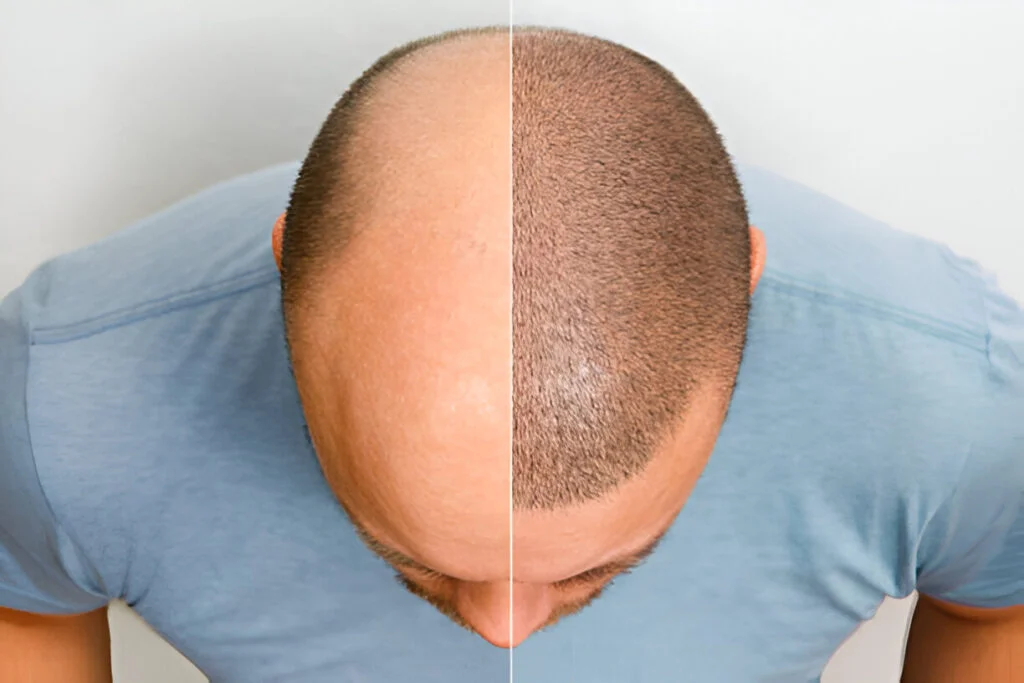
Alopecia can affect the appearance of the scalp in different ways. Some people experience small patches of hair loss, while others may develop more extensive thinning or complete loss of hair in certain areas. Because hair can be closely connected to personal appearance and confidence, many people explore cosmetic options that can help them feel more comfortable with their look.
One option worth considering is scalp micropigmentation. This non-surgical cosmetic procedure uses carefully placed pigment impressions to create the visual appearance of hair follicles. Although it does not restore biological hair growth, it can help create a more defined and balanced scalp appearance for some people with alopecia.
What Is Alopecia?
Alopecia is a general term for hair loss. It can occur for many different reasons and may affect the scalp, facial hair, or other parts of the body. Different forms of alopecia can produce different patterns of hair loss.
Some types cause gradual thinning, while others can result in distinct patches or more widespread loss. Because the underlying causes vary, anyone experiencing unexplained, sudden, or progressive hair loss should consider discussing it with a qualified healthcare professional.
Understanding the type and stability of hair loss is particularly important before choosing a cosmetic procedure such as scalp micropigmentation.
How Scalp Micropigmentation Works
Scalp micropigmentation involves placing small amounts of specialized pigment into the scalp to replicate the appearance of individual hair follicles. The practitioner carefully considers factors such as skin tone, existing hair color, hair pattern, and the desired aesthetic result.
For someone with alopecia, treatment can be customized according to the pattern of hair loss. Instead of simply applying pigment across the entire scalp, an experienced practitioner can develop a design intended to complement the individual's natural features.
The result is a cosmetic effect rather than actual hair regrowth. This distinction is important when considering expectations.
Potential Benefits for People With Alopecia
One of the main benefits of scalp micropigmentation is that it can provide the appearance of greater scalp definition without surgery or hair transplantation.
For individuals with visible areas of hair loss, carefully placed pigmentation may help reduce the contrast between the scalp and surrounding hair. It can also create a more consistent appearance where patches or thinning areas are noticeable.
Other potential advantages include:
-
A non-surgical treatment approach
-
No need to wait for hair growth
-
Customizable pigment and follicle patterns
-
Ability to complement existing hair
-
Potential improvement in the visual appearance of sparse areas
-
Minimal daily styling requirements
The suitability and results can vary depending on the type and pattern of alopecia.
Can It Work With Different Types of Alopecia?
There is no single approach that works equally well for every form of alopecia. People with different patterns of hair loss may have different cosmetic goals.
For example, someone with localized patches may want pigmentation specifically around affected areas. A person with more extensive scalp hair loss may prefer a treatment that creates the appearance of a closely shaved hairstyle.
In cases where alopecia is active or changing, treatment planning may require additional consideration. A consultation with an appropriate healthcare professional and an experienced scalp micropigmentation practitioner can help determine whether the procedure is suitable.
Creating a Natural-Looking Result
Natural-looking results depend heavily on careful technique. The pigment should be selected to complement the individual's natural appearance rather than simply using the darkest possible shade.
Follicle impressions also need to vary naturally in size, spacing, and placement. A hairline that is too straight or overly defined may look artificial.
For alopecia clients, customization is particularly important because areas of hair loss may have irregular shapes. An experienced practitioner can design the treatment around the existing pattern rather than applying an identical design to every client.
What to Consider Before Treatment
Before choosing scalp micropigmentation, it is important to understand what the procedure can and cannot accomplish. It does not stimulate follicles or cure alopecia. Instead, it changes the visual appearance of the scalp.
People should also discuss their medical history and current scalp condition with appropriate professionals. If the scalp has inflammation, irritation, lesions, or another active condition, treatment may need to be delayed or reconsidered.
A consultation is an opportunity to discuss expectations, treatment areas, pigment choices, session requirements, and potential maintenance.
Aftercare and Maintenance
Following treatment, professional aftercare instructions should be followed carefully. The scalp may require a short period of recovery, during which certain activities may need to be limited.
Protecting healed treated skin from excessive sun exposure can also help preserve the appearance of the pigmentation. Over time, pigment may gradually become less defined, and some people may choose a maintenance session to refresh the cosmetic effect.
Long-term maintenance requirements differ between individuals based on factors such as skin type, lifestyle, sun exposure, and the characteristics of the original treatment.
Choosing an Experienced Practitioner
Choosing a qualified and experienced practitioner is one of the most important decisions when considering scalp micropigmentation for alopecia.
Look for someone who has experience working with different patterns of hair loss and can show relevant examples of previous work. During a consultation, ask how they approach irregular patches, pigment matching, hairline design, and long-term maintenance.
A good practitioner should provide realistic information rather than guaranteeing a particular outcome.
Final Thoughts
For people living with alopecia, scalp micropigmentation can be an option for improving the visual appearance of hair loss. By creating carefully designed follicle impressions, it may help reduce scalp contrast, define the hairline, and produce a more balanced overall appearance.
However, it is a cosmetic treatment rather than a cure for alopecia or a method of hair regrowth. Understanding the underlying condition, ensuring the scalp is suitable for treatment, and choosing an experienced practitioner are important steps toward achieving a satisfying result.
For more information visit Royal Hair Transplant clinic in islamabad

 English
 Arabic
 French
 Spanish
 Portuguese
 Deutsch
 Turkish
 Italiano
 Russian
 Romaian
 Portuguese (Brazil)
 Greek
Greek