


Metal Fabrication: From Project Drawings to Finished Components
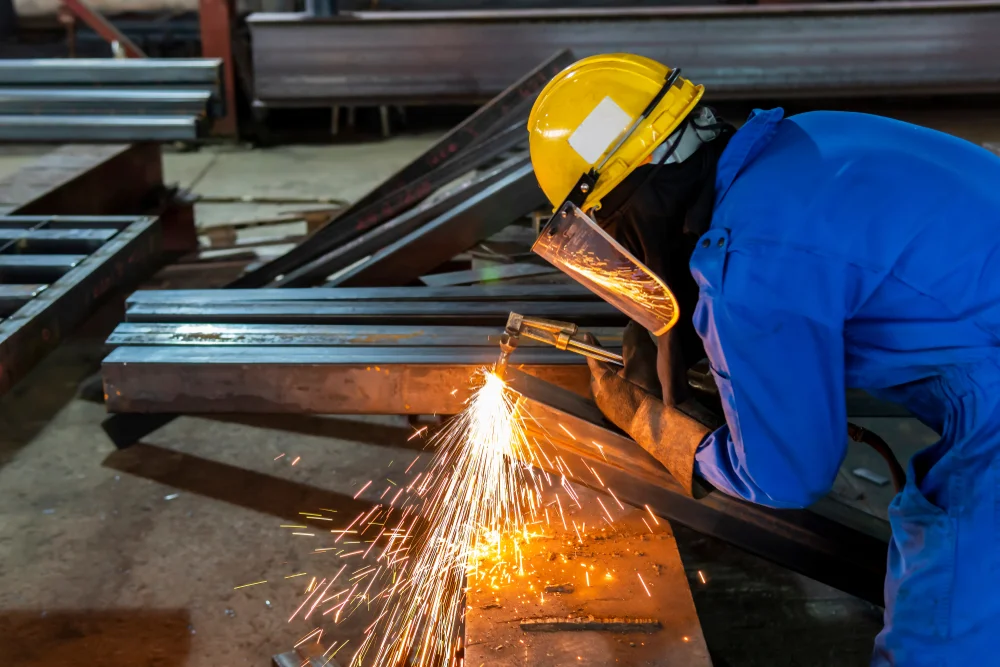
Metal Fabrication: From Drawings to Finished Products
A successful construction project often depends on many individual components fitting together correctly. Metal Fabrication helps turn project drawings and specifications into practical metal parts that can be installed on site.
The process involves more than cutting and welding. It starts with understanding the design, selecting suitable materials and planning each stage of production. After fabrication, components must also meet the required dimensions before they move to installation.
This organised approach can help construction and industrial teams manage custom metalwork more effectively.
Where Does the Fabrication Process Begin?
Every fabrication project should begin with clear information.
Drawings, measurements, material requirements and intended applications help the fabricator understand what needs to be produced. The team can then review the design and identify the processes required.
This early stage can also reveal potential issues. For example, a component may require a particular bend, connection point or opening.
Finding such details before production begins can reduce unnecessary changes later.
Why Material Selection Matters
The material should suit the purpose of the finished component.
Steel can be used for structural applications, while sheet metal can be formed into ducts, enclosures, panels and other components. Other metals may be selected when a project has different weight, appearance or environmental requirements.
Leak Lock's metal fabrication services include sheet metal fabrication, steel fabrication and custom metal structures for commercial and industrial applications across the UAE.
The correct material therefore depends on the design and intended use rather than simply the appearance of the finished product.
Turning Designs Into Accurate Parts
Once the material and specifications are confirmed, fabrication can begin.
Cutting creates the required dimensions. Depending on the component, the metal may then be drilled, bent or formed into the required shape.
Accuracy matters throughout this stage. A small dimensional error can affect how a component connects with other parts.
Leak Lock describes its sheet metal services as using cutting, bending and welding equipment to produce accurate dimensions and clean finishes.
The Importance of Welding
Welding allows separate metal sections to become one assembled component or structure.
The welding process should match the material and project requirements. Welded areas should also receive suitable checks before the finished component is delivered.
For larger steel projects, welding may form part of a wider process that includes cutting, drilling and assembly. Leak Lock lists these processes within its steel fabrication services.
Careful welding can help ensure that fabricated parts are ready for their intended application.
Custom Fabrication for Different Projects
Not every project follows a standard design.
A warehouse may require a particular steel structure. A commercial building may need custom railings or brackets. An industrial facility may require components that fit around existing equipment.
Custom fabrication provides flexibility in these situations. Instead of relying only on standard sizes, fabricators can produce components based on project-specific drawings and measurements.
This can be especially useful when working on modifications, extensions or specialised installations.
From Workshop to Construction Site
Fabrication does not end when a component leaves the workshop.
The finished item must reach the site safely and arrive at the right stage of the project. Its dimensions should also suit the available installation area.
Good coordination between the fabrication team and site team can help with this process.
Before delivery, project teams can confirm:
- Component dimensions
- Quantity required
- Connection points
- Installation location
- Access requirements
- Surface finish
- Delivery schedule
These checks can reduce confusion during installation.
Why Quality Checks Should Happen Early
Quality control should take place throughout fabrication rather than only at the end.
Material specifications can be checked before production. Measurements can then be reviewed during cutting and forming. Welds, joints and finishes can receive further checks before delivery.
This staged approach makes it easier to identify problems while the component remains in the workshop.
It can also reduce the risk of sending an unsuitable part to a busy construction site.
Metal Fabrication for Commercial Buildings
Commercial projects can require many types of fabricated metalwork.
These may include staircases, railings, steel frames, brackets and mechanical assemblies. Each component has its own purpose and installation requirements.
Leak Lock states that its industrial and commercial fabrication services include staircases, railings, steel frames, brackets and mechanical assemblies.
Because these components serve different functions, fabrication planning should always consider their individual requirements.
Metal Fabrication for Industrial Applications
Industrial facilities can have more complex site conditions. Equipment, machinery, access routes and existing structures may all affect the design of fabricated components.
Custom metalwork can help address these conditions.
For example, a fabricated bracket may need to match an existing structure, while an enclosure may need specific dimensions to fit around equipment.
Clear measurements and communication become particularly important when components must integrate with existing systems.
Choosing a Fabrication Partner
When selecting a metal fabrication company, consider its range of services and ability to understand project requirements.
A suitable provider should be able to discuss materials, dimensions, fabrication methods and quality checks clearly.
It is also useful to ask how the company manages custom projects. Good communication from the design stage through production and delivery can make project coordination easier.
For UAE projects, working with a fabrication provider that serves commercial and industrial applications can also simplify sourcing.
Final Thoughts
Metal Fabrication turns designs and specifications into practical components for construction, commercial and industrial projects.
The process begins with careful planning and continues through material selection, cutting, forming, welding, finishing and quality checks. Delivery and installation also require proper coordination.
When each stage receives suitable attention, fabricated components can arrive on site ready for their intended application.
For projects across the UAE, a clear fabrication process can help teams manage custom metalwork with greater confidence and fewer avoidable problems.

 English
 Arabic
 French
 Spanish
 Portuguese
 Deutsch
 Turkish
 Dutch
Dutch
 Italiano
 Russian
 Romaian
 Portuguese (Brazil)