


What Is Fiberglass Made Of? A Complete Material Guide
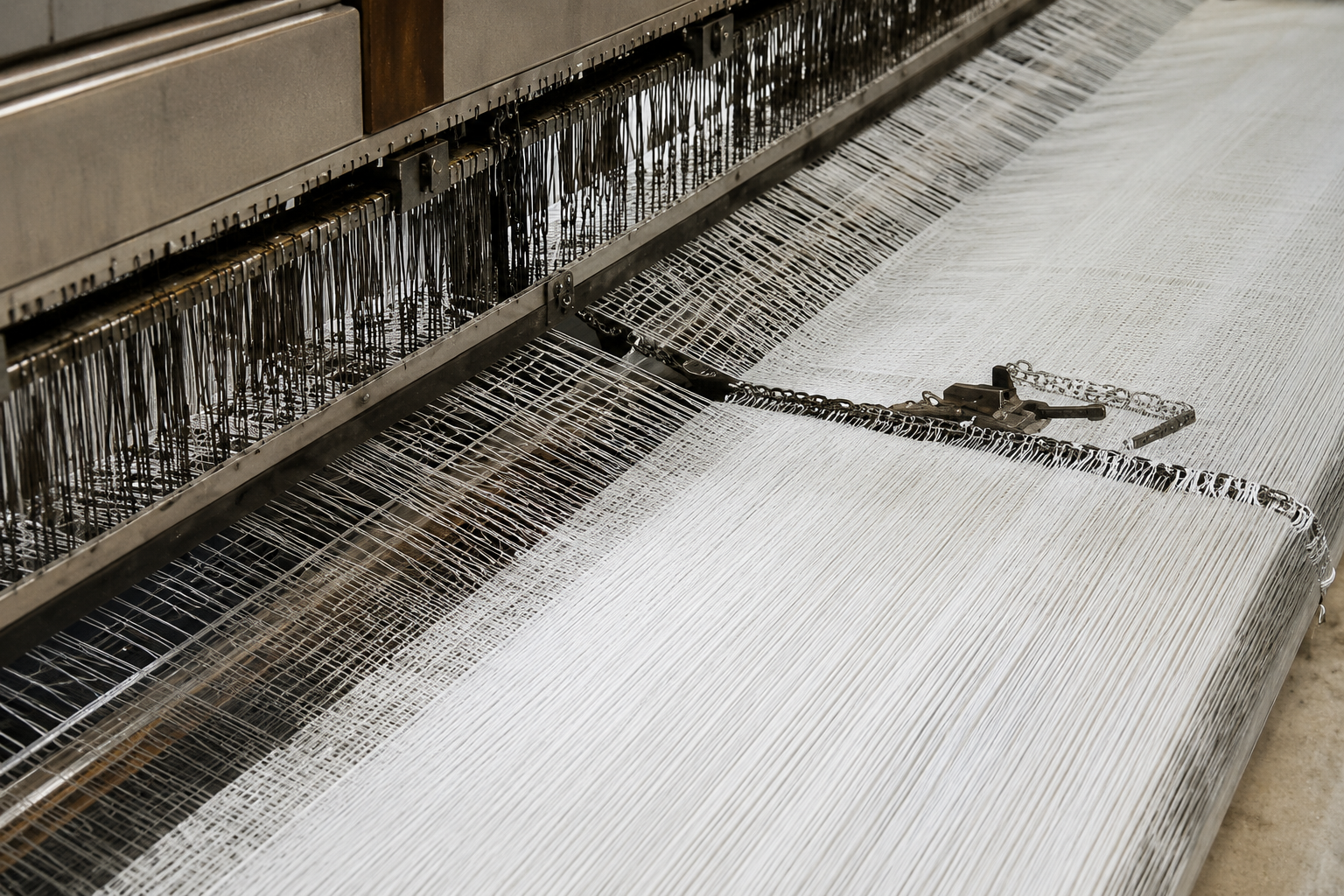
If you have ever wondered what is fiber glass made out of, the answer begins with glass. Fiberglass is a material made from extremely fine glass fibers that are combined with other materials to create a strong, lightweight, and versatile product. Although it is made from glass, fiberglass does not look or behave like ordinary glass used in windows, bottles, or decorative objects. Its tiny fibers can be woven, layered, or mixed with a resin to create materials that are suitable for construction, transportation, insulation, marine applications, sports equipment, and many other uses.
Fiberglass has become popular because it offers a useful balance between strength, weight, durability, and resistance. It can be shaped into different forms and can also be combined with different resin systems depending on the purpose. Understanding what fiberglass is made out of helps explain why this material is used in so many industries and why it can perform well in environments where other materials may not be suitable.
What Is Fiberglass Made Out Of?
Fiberglass is primarily made out of very fine glass fibers. These fibers are produced from glass-forming raw materials that are melted at high temperatures and then drawn into extremely thin strands. The resulting fibers are much finer than ordinary pieces of glass and can be processed into mats, fabrics, yarns, or other forms.
The glass used to make fiberglass commonly contains materials such as silica, along with various mineral compounds that help provide the desired properties. Depending on the type of fiberglass being manufactured, the composition of the glass can be adjusted to improve characteristics such as strength, chemical resistance, heat resistance, or electrical insulation.
Fiberglass products may also contain a resin or polymer material. When glass fibers are combined with resin, the result is generally called a fiberglass-reinforced composite. The glass fibers provide much of the strength, while the resin holds the fibers together, protects them, and helps give the finished product its shape.
What Materials Are Used to Make Fiberglass?
The main ingredient in fiberglass is silica-based glass. Silica is important because it forms the basic structure of the glass. However, manufacturers normally use a mixture of raw materials rather than pure silica alone. Other mineral ingredients can be added to control melting behavior and improve the characteristics of the finished glass fibers.
Common glass-making ingredients can include silica sand, alumina, calcium compounds, magnesium compounds, boron compounds, and other mineral materials. The exact mixture depends on the type of fiberglass being produced and the performance requirements of the final product.
Some fiberglass products also use recycled glass as part of the raw material mixture. Using recycled glass can help reduce the need for new raw materials while still providing suitable material for fiber production. Once the glass mixture is prepared, it is melted and processed into very fine continuous or chopped fibers.
How Is Fiberglass Produced?
The manufacturing process begins by preparing the glass-forming materials. These materials are carefully combined and heated until they melt into a uniform glass mixture. The molten glass is then passed through specially designed openings that allow it to be drawn into extremely thin strands.
As the molten glass leaves these openings, it is pulled into fibers. The fibers are cooled and treated with a special coating or sizing. This treatment helps protect the fibers during processing and can improve their ability to bond with resin or other materials.
The fibers can then be processed according to their intended application. They may be gathered into strands, woven into fabrics, arranged into mats, or chopped into shorter pieces. When combined with resin, they can form a rigid composite material that can be molded into many different shapes.
Why Is Glass Used to Make Fiberglass?
Glass is an excellent material for producing reinforcing fibers because it has useful mechanical and chemical properties. In fiber form, glass can provide considerable strength while remaining relatively lightweight. The thin fibers can also be arranged in different directions to provide reinforcement where it is needed.
Another advantage of glass is its resistance to many environmental conditions. Fiberglass can resist moisture, corrosion, and many chemicals better than some traditional materials. It also provides useful electrical insulation properties, making certain types of fiberglass suitable for electrical and industrial applications.
The properties of fiberglass can vary considerably depending on the type of glass used, the fiber structure, the resin system, and the manufacturing process.
What Is the Difference Between Glass and Fiberglass?
Ordinary glass and fiberglass are made from related glass-based materials, but their structure and applications are very different. Ordinary glass is usually produced as a solid, relatively thick material that is valued for transparency, hardness, and appearance.
Fiberglass is made by turning glass into extremely fine fibers. These fibers can be gathered, woven, layered, or embedded in resin. The resulting structure gives fiberglass characteristics that are very different from a conventional glass sheet.
A fiberglass composite can be strong without being as heavy as many solid materials. It can also be molded into complex shapes, which is one reason it is commonly used for manufactured components.
What Is Fiberglass Resin Made Of?
Fiberglass itself refers primarily to the glass fiber, while fiberglass products often contain resin as part of a composite. The resin is a polymer material that surrounds and binds the glass fibers together.
Different types of resin can be used depending on the required performance. Polyester resin is commonly associated with many general fiberglass applications. Vinyl ester resin can provide improved chemical and environmental resistance, while epoxy resin is known for strong bonding and useful mechanical performance.
The resin does not replace the glass fibers. Instead, it works together with them. The fibers provide reinforcement, while the resin forms the surrounding matrix that holds the fibers in position and transfers loads between them.
Why Is Fiberglass So Strong?
Fiberglass gets much of its strength from the glass fibers themselves. Individual fibers can have impressive tensile strength because their structure contains fewer large flaws than a conventional piece of glass. When many fibers are arranged within a composite, they can work together to carry loads.
The direction of the fibers also matters. Manufacturers can arrange fibers in different orientations depending on how the finished product will be used. This allows engineers and manufacturers to design fiberglass components with reinforcement in areas where additional strength is needed.
The resin also plays an important role. It keeps the fibers together and helps distribute forces throughout the composite. The combination of reinforcement and resin creates a material with useful structural properties.
Is Fiberglass Lightweight?
Fiberglass is generally considered a lightweight material compared with many traditional structural materials. Its relatively low weight combined with useful strength makes it attractive for applications where reducing weight is important.
For example, fiberglass composites can be used in boats, vehicle components, equipment housings, tanks, pipes, and recreational products. Reducing weight can make transportation and handling easier and may also contribute to improved efficiency in some applications.
However, the actual weight of a fiberglass product depends on its fiber content, resin content, thickness, design, and manufacturing method.
Is Fiberglass Waterproof?
Fiberglass itself does not absorb water in the same way that some porous materials do. This makes fiberglass composites useful for applications exposed to moisture. When the fibers are properly embedded in a suitable resin system, the finished composite can provide good resistance to water and humid environments.
This property is one reason fiberglass is frequently used in marine products, water tanks, pipes, roofing components, and other applications where moisture resistance is important.
However, the waterproof performance of a fiberglass product depends on the complete construction. Cracks, damaged coatings, poor manufacturing, or exposed fibers can affect the performance of the finished material.
Is Fiberglass Resistant to Chemicals?
Fiberglass can offer good resistance to many chemicals, particularly when an appropriate resin system is selected. The glass fibers themselves are relatively resistant to many environmental conditions, but the resin can determine how the finished composite behaves when exposed to specific chemicals.
This is especially important in industrial environments. Fiberglass-reinforced plastic products can be designed for applications involving water, chemicals, corrosive environments, and industrial fluids.
Not every fiberglass product has the same chemical resistance. The type of glass, resin, manufacturing process, temperature, concentration, and exposure conditions can all affect performance.
Where Is Fiberglass Used?
Fiberglass is used across many industries because it combines several useful properties. In construction, it can be found in panels, roofing products, insulation, pipes, tanks, and reinforcement materials. In transportation, fiberglass composites can be used for vehicle bodies, components, boats, and other lightweight structures.
Fiberglass is also common in electrical applications because glass fibers can provide strong insulating properties. Manufacturers use fiberglass composites for equipment housings and other components where electrical insulation and durability are important.
In consumer products, fiberglass may be found in sporting equipment, recreational products, storage items, ladders, furniture components, and various molded products. Its versatility allows manufacturers to create both simple and complex shapes.
What Makes Fiberglass Different From Plastic?
Fiberglass and plastic are not necessarily completely separate materials. Many fiberglass products are actually composites made by combining glass fibers with a plastic resin. The glass fibers act as reinforcement, while the polymer resin acts as the matrix.
Ordinary plastic can be flexible, lightweight, and easy to process, but it may not provide the same level of structural reinforcement as a fiberglass composite. Adding glass fibers can significantly improve stiffness and strength.
This combination is one of the most important features of fiberglass-reinforced plastic. It allows manufacturers to benefit from the properties of both glass fibers and polymers.
Is Fiberglass Safe to Handle?
Fiberglass products can generally be handled safely when appropriate precautions are followed. However, loose or broken fiberglass fibers can irritate the skin, eyes, and respiratory system. During cutting, sanding, drilling, or other activities that disturb fiberglass, fine particles may become airborne.
For this reason, suitable protective equipment and good ventilation are important when working with fiberglass materials. Gloves, protective clothing, eye protection, and appropriate respiratory protection may be useful depending on the work being performed.
Finished fiberglass products that are properly manufactured and intact are different from loose fiberglass fibers generated during fabrication or damage.
Can Fiberglass Be Recycled?
Fiberglass recycling can be more difficult than recycling some conventional materials because fiberglass products often contain glass fibers permanently bonded to resin. Separating the different components can require specialized processing.
Nevertheless, various approaches can be used to recover or reuse fiberglass composite materials. Some processes involve mechanical processing, thermal treatment, or other methods designed to recover useful material.
Recycling practices continue to develop as industries look for better ways to manage composite materials at the end of their useful life.
What Are the Main Benefits of Fiberglass?
Fiberglass offers several advantages that make it useful in different applications. It can provide a favorable strength-to-weight ratio, resistance to moisture, useful chemical resistance, electrical insulation, and design flexibility.
Another important advantage is its ability to be molded into different shapes. Manufacturers can create flat panels, curved components, pipes, tanks, housings, and many other products using fiberglass composite materials.
Its durability can also reduce the need for frequent replacement in suitable applications. However, performance depends heavily on material selection, design, manufacturing quality, and the environment in which the product is used.
What Are the Disadvantages of Fiberglass?
Despite its many advantages, fiberglass also has limitations. Cutting and sanding fiberglass can release fine particles that may cause irritation. Damaged fiberglass can also expose individual fibers.
Fiberglass composites can be difficult to repair or recycle compared with some conventional materials. The finished product may also become damaged through impact, prolonged exposure to unsuitable chemicals, excessive heat, or poor maintenance.
Understanding these limitations is important when selecting fiberglass for a particular application. The material should always be chosen according to the required performance and environmental conditions.
Frequently Asked Questions
Is fiberglass made from real glass?
Yes. Fiberglass is made primarily from glass-forming materials that are melted and drawn into extremely fine fibers. These fibers can then be processed into fabrics, mats, strands, or composite materials.
What is fiber glass made out of?
What is fiber glass made out of is a common question, and the basic answer is silica-based glass combined with other mineral ingredients. Fiberglass products may also contain a polymer resin when the fibers are used to make a composite.
Is fiberglass stronger than glass?
Fiberglass and ordinary glass have different structures and purposes. Fiberglass uses fine glass fibers as reinforcement, while ordinary glass is generally used as a solid material. A fiberglass composite can provide high strength relative to its weight.
Does fiberglass contain plastic?
Many fiberglass products contain plastic resin. In fiberglass-reinforced plastic, the glass fibers provide reinforcement while the polymer resin holds the fibers together and forms the finished shape.
Is fiberglass made from sand?
Silica sand can be an important raw material used to produce the glass from which fiberglass is made. However, fiberglass is not simply made from sand alone. Other materials are normally combined with silica to create the required type of glass.
Can fiberglass get wet?
Fiberglass composites can generally tolerate moisture well when properly manufactured. Their resistance to water makes them suitable for many outdoor, marine, construction, and industrial applications.
Why is fiberglass used so often?
Fiberglass is popular because it can combine strength, low weight, durability, moisture resistance, electrical insulation, and design flexibility. These properties make it useful across many industries.
Is fiberglass better than metal?
Neither material is automatically better for every application. Fiberglass can offer lower weight, corrosion resistance, and useful insulation properties, while metals can provide excellent strength, heat resistance, and other advantages. The best choice depends on the intended use.
Conclusion
Understanding what is fiber glass made out of makes it easier to understand why fiberglass has become such a widely used material. Its foundation is silica-based glass that is transformed into extremely fine fibers. These fibers can be woven, layered, chopped, or combined with polymer resin to create strong and versatile composite materials.
The combination of glass fibers and resin gives fiberglass many useful characteristics, including strength, relatively low weight, durability, moisture resistance, chemical resistance, and electrical insulation. These properties allow it to serve applications ranging from construction and transportation to marine products, industrial equipment, and consumer goods.
Fiberglass is not simply ordinary glass in a different shape. Its unique fiber structure and composite construction give it a distinct set of properties. By understanding its ingredients, production process, benefits, limitations, and applications, you can better understand why fiberglass remains an important material in modern manufacturing and construction.

 English
 Arabic
 French
 Spanish
 Deutsch
 Turkish
 Dutch
Dutch
 Italiano
 Russian
 Romaian
 Portuguese (Brazil)
 Greek
Greek