


Is VoIP Secure? Understanding VoIP Security Risks
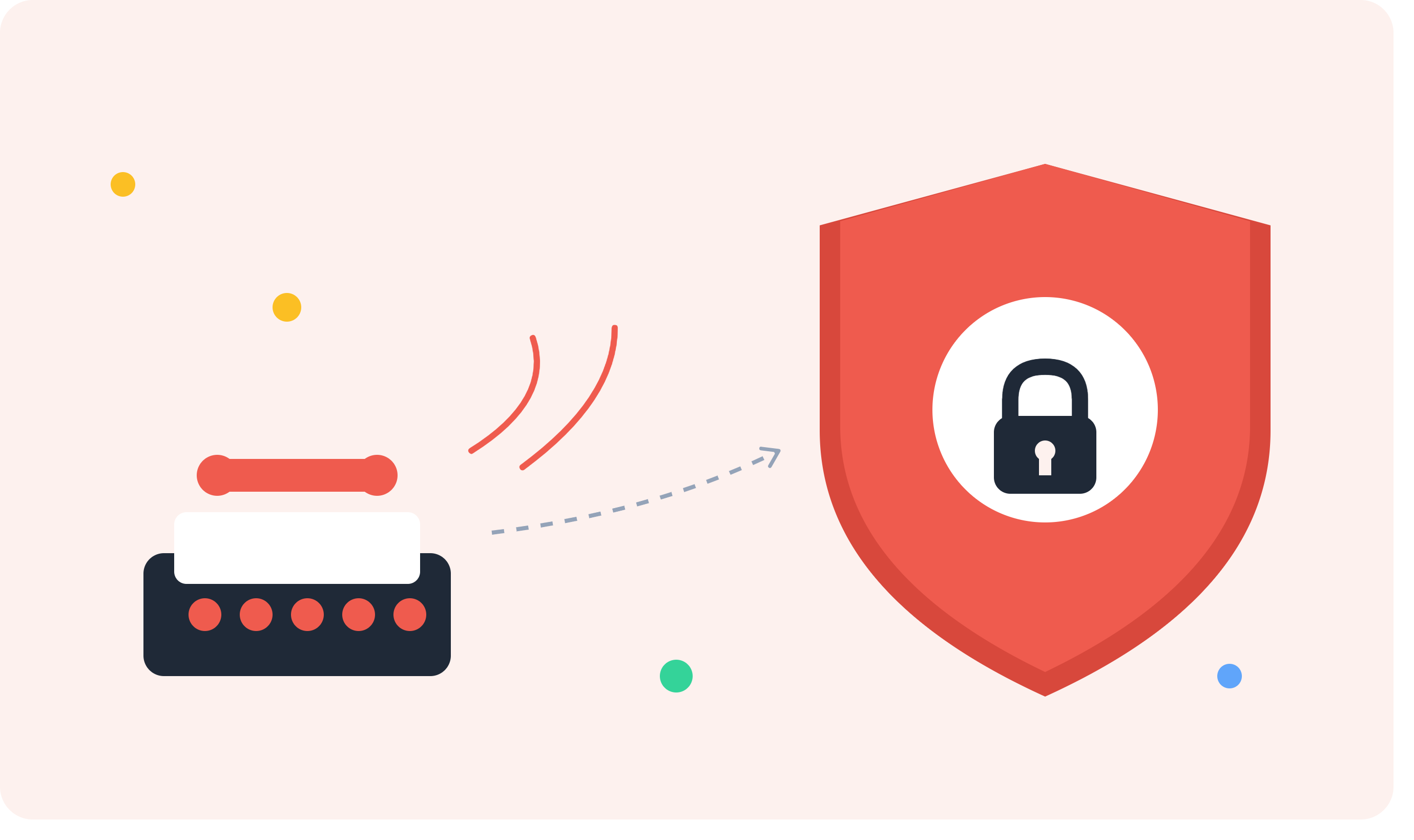
Voice over Internet Protocol (VoIP) has become a popular alternative to traditional phone systems for businesses and individuals. Instead of sending voice calls through conventional telephone networks, VoIP transmits voice data over an internet or IP network.
But using the internet for phone calls raises an important question: Is VoIP secure?
The short answer is yes, VoIP can be secure, but its security depends heavily on how the system, network, accounts, devices, and VoIP provider are configured and managed.
Like other internet-connected technologies, VoIP can face security threats such as account compromise, eavesdropping, phishing, malware, denial-of-service attacks, and toll fraud. The good news is that businesses can significantly reduce these risks by implementing appropriate security controls.
In this guide, we'll explain how VoIP security works, the most common VoIP security risks, and practical steps you can take to protect a VoIP phone system.
What Is VoIP Security?
VoIP security refers to the technologies, policies, and practices used to protect internet-based voice communication from unauthorized access, interception, fraud, and other attacks.
A secure VoIP environment typically involves several layers of protection, including:
- Account authentication
- Encryption
- Network security
- Secure devices
- Access controls
- Software updates
- Fraud monitoring
- Secure VoIP configuration
- Employee security awareness
Security is not provided by VoIP technology alone. The provider, business network, devices, applications, and users all play a role.
Is VoIP Secure?
Yes, VoIP can be secure when it is properly designed and managed.
Modern VoIP systems can use encryption, authentication, access controls, network security, and monitoring to protect communications and accounts.
However, no communication system is completely immune to attacks.
For example, a VoIP account with a weak password can potentially be compromised even if the underlying VoIP platform has strong security features.
Similarly, an improperly configured network can expose VoIP infrastructure to unnecessary risks.
Therefore, the better question is not simply whether VoIP is secure, but how securely the VoIP system is implemented.
How Does VoIP Security Work?
VoIP security uses multiple technologies and security practices to protect calls and the systems that handle them.
Encryption
Encryption can protect voice traffic by converting information into a form that unauthorized parties cannot easily understand.
Depending on the system, encryption may be applied to signaling, media, or both.
Common technologies include secure signaling protocols and encrypted media transport.
Authentication
Authentication ensures that only authorized users can access VoIP accounts and administrative systems.
Strong passwords and multi-factor authentication, when supported, can make unauthorized account access more difficult.
Access Controls
Businesses can limit what individual users are allowed to do.
For example, an employee may be allowed to make domestic calls but not expensive international calls.
Restricting permissions can reduce the potential impact of a compromised account.
Network Security
Firewalls, network segmentation, secure Wi-Fi, and other network controls can help protect VoIP infrastructure.
Businesses should also monitor their networks for unusual activity.
Monitoring
Call activity can be monitored for suspicious patterns.
For example, a sudden increase in international calls outside normal business hours could indicate possible account compromise or toll fraud.
Common VoIP Security Risks
Although VoIP offers many benefits, businesses should understand the security threats associated with internet-based communication.
1. VoIP Eavesdropping
Eavesdropping occurs when an unauthorized party attempts to listen to a private communication.
If VoIP traffic is transmitted without appropriate protection, attackers may attempt to intercept communications.
Using encryption and secure communication protocols can help reduce this risk.
2. VoIP Hacking
Attackers may attempt to gain unauthorized access to VoIP accounts, phones, servers, applications, or administrative interfaces.
A compromised account can potentially be used to make unauthorized calls or access business communication information.
Strong authentication, software updates, access controls, and monitoring can help protect against these attacks.
3. VoIP Phishing
Phishing involves tricking users into revealing sensitive information, such as passwords or authentication codes.
Attackers may impersonate a VoIP provider, administrator, employee, or other trusted party.
Employees should be trained to recognize suspicious emails, messages, login pages, and requests for credentials.
4. VoIP Toll Fraud
Toll fraud is one of the major financial risks associated with compromised business phone systems.
An attacker who gains access to a VoIP account may use it to make unauthorized calls, potentially including expensive international or premium-rate calls.
Businesses can reduce this risk by:
- Restricting international calling
- Setting spending limits where available
- Using strong passwords
- Enabling multi-factor authentication
- Monitoring call activity
- Disabling unused accounts
- Alerting administrators about unusual calling patterns
5. Denial-of-Service Attacks
A denial-of-service attack attempts to overwhelm a service or network so legitimate users cannot access it normally.
For a business, a successful attack against VoIP infrastructure could disrupt incoming and outgoing calls.
Network protection, monitoring, traffic controls, and provider-level defenses can help mitigate these risks.
6. Malware
Malware can compromise computers, smartphones, servers, or other devices used to access VoIP services.
An infected device could expose account credentials or other sensitive information.
Businesses should keep operating systems, applications, VoIP software, and security tools updated.
7. Weak Passwords
Weak or reused passwords can make VoIP accounts easier to compromise.
Businesses should use strong, unique passwords and enable multi-factor authentication whenever it is available.
8. Unauthorized Access
Former employees, compromised accounts, or poorly configured permissions can create unnecessary access to a phone system.
Organizations should regularly review users and permissions and promptly disable accounts that are no longer required.
Can VoIP Calls Be Encrypted?
Yes, VoIP communications can use encryption.
Encryption helps protect communication from unauthorized interception, but the exact level of protection depends on the VoIP service, protocols, configuration, devices, and network.
Businesses evaluating a VoIP provider should ask how signaling and voice media are protected and what security controls are available.
It is also important to understand that encryption does not protect against every type of attack.
For example, encryption may protect communication in transit, but it does not prevent an attacker from compromising an employee's account through phishing.
Can VoIP Calls Be Hacked?
VoIP systems can be targeted by attackers, just like other internet-connected services.
However, saying that VoIP calls are automatically easy to hack is misleading.
The security of a VoIP system depends on factors such as:
- Authentication
- Encryption
- Network configuration
- Device security
- Provider security
- User permissions
- Software updates
- Monitoring
A properly secured VoIP system can significantly reduce the likelihood and impact of many common attacks.
How to Secure a VoIP Phone System
Businesses can take several practical steps to improve their VoIP security.
1. Use Strong, Unique Passwords
Every VoIP account should have a strong password that is not reused across other services.
Avoid simple passwords based on names, company information, phone numbers, or predictable patterns.
2. Enable Multi-Factor Authentication
If your VoIP provider supports multi-factor authentication, enable it for user and administrator accounts.
MFA adds another verification step, making stolen passwords less useful to attackers.
3. Keep VoIP Software Updated
Regular updates can address security vulnerabilities and improve system stability.
Keep the following updated where applicable:
- VoIP applications
- IP phones
- Operating systems
- Routers
- Firewalls
- Network equipment
- Servers
4. Secure the Business Network
Your VoIP system operates on your network, so network security is important.
Use appropriate firewall rules, secure Wi-Fi, access controls, and network segmentation where appropriate.
5. Limit International Calling
If employees do not need international calling, consider disabling it.
If international calling is necessary, restrict it to approved destinations and monitor usage.
This can reduce the potential impact of toll fraud.
6. Monitor Call Activity
Review call records and account activity regularly.
Look for unusual behavior such as:
- Large increases in call volume
- Unexpected international calls
- Calls made outside normal working hours
- Unfamiliar destinations
- Multiple failed login attempts
7. Disable Unused Accounts
Unused accounts can become unnecessary security risks.
When an employee leaves the organization, promptly disable their account and remove access to business communication systems.
8. Protect VoIP Devices
IP phones, computers, and smartphones should be protected like other business devices.
Use device passwords, security updates, screen locks, and appropriate endpoint protection.
9. Train Employees
Employees are an important part of VoIP security.
Training should cover:
- Phishing
- Password security
- Suspicious login requests
- Social engineering
- Safe use of business applications
- Reporting suspicious activity
10. Choose a Security-Focused VoIP Provider
The provider you select can have a significant impact on your overall security.
Before choosing a service, investigate its security features, authentication options, encryption capabilities, monitoring, support, and incident-response practices.
Is Cloud VoIP Secure?
Cloud VoIP can be secure, but security depends on both the provider and the customer's configuration.
Cloud-based phone systems can offer centralized security controls and provider-managed infrastructure, but businesses still need to protect user accounts, endpoints, networks, and administrative access.
When evaluating a cloud VoIP provider, consider:
- Account security
- MFA availability
- Encryption
- Administrative controls
- Access management
- Fraud detection
- Security monitoring
- Data protection
- Service availability
- Security incident procedures
VoIP Security vs Traditional Phone Security
Traditional phone systems are not automatically more secure simply because they do not use the internet in the same way.
Both traditional and IP-based phone systems have their own security considerations.
VoIP introduces internet-related risks, but it also enables modern security capabilities such as centralized authentication, encryption, access controls, monitoring, and software-based security updates.
The security of either system ultimately depends on how it is designed, configured, maintained, and monitored.
What Are the Advantages of VoIP Security?
Modern VoIP platforms can provide several security advantages when properly implemented.
Centralized Management
Administrators can manage users, permissions, devices, and calling policies from centralized platforms.
Access Control
Businesses can determine which employees have access to particular features.
Encryption
Supported encryption technologies can protect communications from unauthorized interception.
Fraud Monitoring
Many business VoIP platforms provide tools for detecting unusual calling behavior.
Rapid Updates
Cloud-based systems can often receive provider-managed security updates without requiring businesses to replace an entire phone system.
VoIP Security Best Practices Checklist
Use this checklist when securing a business VoIP system:
- Use strong, unique passwords
- Enable MFA where available
- Encrypt communications where supported
- Keep software and devices updated
- Secure routers and firewalls
- Restrict administrative access
- Disable unused accounts
- Limit expensive calling destinations
- Monitor call records
- Set alerts for unusual activity
- Protect computers and mobile devices
- Train employees about phishing
- Review user permissions regularly
- Choose a reputable VoIP provider
- Maintain backup communication options
- Have an incident-response plan
What Should You Ask a VoIP Provider About Security?
Before purchasing a business VoIP service, ask the provider several security-related questions.
Does the service support MFA?
Multi-factor authentication can provide an additional layer of protection for user accounts.
Is VoIP traffic encrypted?
Ask what encryption is used and which parts of the communication are protected.
How do you prevent toll fraud?
Find out whether the provider offers call restrictions, spending controls, fraud detection, and alerts.
How are administrator accounts protected?
Administrative accounts have significant privileges, so they should receive stronger security controls.
How are security incidents handled?
Understand how the provider detects, investigates, and communicates security incidents.
What security controls can customers configure?
A good business VoIP platform should provide customers with meaningful control over users, permissions, calling rules, and account security.
Frequently Asked Questions About VoIP Security
Is VoIP secure for business?
Yes. Business VoIP can be secure when the system is properly configured and protected with strong authentication, encryption, access controls, network security, monitoring, and other appropriate safeguards.
Is VoIP safer than a landline?
Neither VoIP nor traditional telephone systems are automatically safer in every situation. They have different security risks and protections. VoIP can provide advanced security controls, but it also introduces internet-related threats.
Can someone listen to my VoIP calls?
Unauthorized interception is possible in poorly protected environments. Using encryption and secure VoIP configurations can help reduce the risk of eavesdropping.
Can VoIP numbers be hacked?
A VoIP number itself is not necessarily what gets "hacked." Attackers may instead target the account, application, device, or infrastructure associated with the number.
How can I protect my VoIP number?
Use a strong password, enable MFA when available, protect the associated email account, limit account permissions, monitor activity, and avoid sharing login credentials.
Is cloud VoIP safe?
Cloud VoIP can be safe when the provider uses appropriate security measures and customers properly configure their accounts, devices, and networks.
Does a VPN make VoIP more secure?
A VPN can protect network traffic between connected endpoints in certain configurations, but it is not a complete VoIP security solution. VPNs do not eliminate risks such as phishing, compromised accounts, malware, or toll fraud.
Final Thoughts: Is VoIP Secure?
So, is VoIP secure?
Yes, VoIP can provide secure business communication when it is properly implemented and maintained. Modern VoIP systems can use encryption, authentication, access controls, monitoring, and other security measures to protect communications and accounts.
At the same time, VoIP is an internet-connected technology, so businesses need to take security seriously.
The biggest risks often come from weak passwords, compromised accounts, phishing, poor network configuration, outdated software, unauthorized access, and toll fraud.
The best approach is to treat VoIP security as part of your organization's overall cybersecurity strategy.
Choose a reputable provider, enable available security features, restrict unnecessary access, monitor calling activity, keep devices updated, and train employees to recognize common threats.
With these practices in place, businesses can take advantage of VoIP's flexibility and advanced communication features while significantly reducing security risks.

 Arabic
 French
 Spanish
 Portuguese
 Deutsch
 Turkish
 Dutch
Dutch
 Italiano
 Russian
 Romaian
 Portuguese (Brazil)
 Greek
Greek