


Walk-In Shower Renovation Ideas for a Modern Bathroom
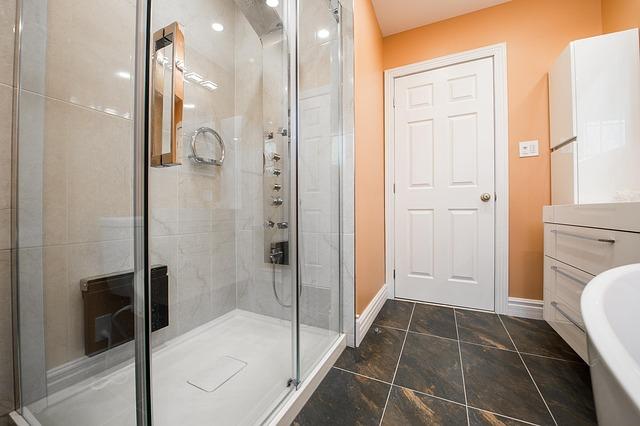
A walk-in shower has become one of the most requested upgrades in bathroom design over the last decade, and for good reason. It opens up a small room visually, removes the maintenance headaches that come with shower curtains and sliding doors, and gives a bathroom the kind of clean, spa-like look that homeowners see in design magazines and want for themselves. After spending years working alongside contractors and homeowners on remodeling projects, I've seen firsthand which walk-in shower ideas actually hold up to daily use versus which ones look great in a showroom but create problems six months later. This guide walks through the design choices, materials, and practical considerations that make a walk-in shower renovation successful.
Why Homeowners Are Switching to Walk-In Showers
Traditional tub-shower combinations and framed glass enclosures were the default for decades, but they come with real drawbacks: shrinking sightlines in the room, grout lines that trap mold, and doors that eventually stick or leak. A curbless or low-curb walk-in shower solves most of these problems at once. It also tends to increase resale value, since appraisers and buyers increasingly view a modern shower as a baseline expectation rather than a luxury.
There's also an accessibility angle that doesn't get discussed enough. A zero-threshold walk-in shower is easier to enter for people with mobility limitations, aging family members, or anyone recovering from an injury, which is part of why so many "aging in place" renovations start with the bathroom.
Popular Walk-In Shower Design Ideas
1. Frameless Glass Enclosures
Frameless glass panels are the single most requested feature in modern shower renovations. Without metal framing to interrupt the sightline, the shower reads as an extension of the room rather than a separate box. For this to work well long-term, the glass needs to be at least 3/8-inch thick and properly supported with heavy-duty hinges or a fixed panel anchored into the wall studs — thinner glass or poorly anchored panels are a common callback issue.
2. Curbless (Zero-Entry) Showers
Removing the curb entirely creates a seamless transition from the bathroom floor into the shower. This requires careful attention to the subfloor slope and drain placement during construction, which is why it's best handled by a licensed contractor rather than a DIY approach. Done correctly, water is channeled toward a linear or center drain without ever pooling on the bathroom floor.
3. Large-Format Tile
Large-format porcelain or stone-look tile — often 12x24 inches or larger — has replaced small mosaic tile as the go-to choice for shower walls. Fewer grout lines mean less cleaning and a more contemporary, uninterrupted appearance. Many homeowners pair large-format tile on the walls with a smaller textured tile on the shower floor for slip resistance.
4. Built-In Niches and Benches
A recessed niche for shampoo and soap eliminates the need for wire caddies, and a built-in bench or fold-down seat adds function for shaving, aging family members, or anyone who simply prefers to sit while showering. Both should be planned during the framing stage rather than added later, since retrofitting a niche into a finished wall is far more disruptive.
5. Rainfall and Multi-Function Showerheads
Ceiling-mounted rainfall showerheads paired with a handheld wand on a slide bar give homeowners flexibility — a spa-like overhead experience combined with the practicality of a handheld sprayer for rinsing and cleaning. Thermostatic valves that hold water temperature steady are worth the extra cost, especially in households with children or older adults.
6. Statement Tile and Accent Walls
A single accent wall in a bold tile, natural stone, or a geometric pattern gives an otherwise neutral, all-white bathroom a focal point. This is one of the more affordable ways to make a shower feel custom without changing the layout or plumbing.
7. Matte Black and Brushed Gold Fixtures
Chrome and polished nickel are no longer the only options. Matte black, brushed gold, and brushed nickel fixtures have become standard finish choices in modern renovations, and they pair particularly well with large-format tile and frameless glass.
Practical Considerations Before You Start
- Waterproofing matters more than tile choice. A beautiful shower with a poorly installed waterproof membrane will fail within a few years, regardless of how expensive the tile is. Ask any contractor specifically about their waterproofing system before signing a contract.
- Ventilation prevents mold. A properly sized exhaust fan, rated for the bathroom's square footage, is essential — especially with the larger glass openings that curbless showers often have.
- Plumbing changes affect budget more than finishes do. Moving a drain, relocating a shower valve, or converting a tub space into a curbless shower usually costs more than the tile, glass, and fixtures combined, since it involves opening walls and floors.
- Permits are often required. Any project that touches plumbing or structural framing typically needs a permit and inspection in most municipalities — a step some unlicensed contractors skip, which can create problems later when selling the home.
Working With the Right Contractor
The difference between a walk-in shower that lasts twenty years and one that leaks within two often comes down to installation quality rather than design choices. Look for a contractor who is licensed and insured, who can show photos of completed projects similar to yours, and who is willing to explain their waterproofing and slope methods in plain language. For homeowners in the Toronto area planning this kind of upgrade, working with a company that specializes in bathroom renovations north york and has a documented track record with local building codes and permit offices can prevent a lot of the delays and rework that come from hiring out-of-area or unlicensed crews.
A reputable renovation company should also be transparent about timelines and costs upfront, provide a written contract, and stand behind their work with a warranty. Checking reviews, asking for references, and confirming licensing with your local building authority are simple steps that protect the investment.
Final Thoughts
A walk-in shower renovation is one of the highest-impact updates you can make to a bathroom, both for daily comfort and for long-term home value. The best results come from combining a clear design vision — frameless glass, large-format tile, a built-in niche, thoughtful fixture finishes — with sound waterproofing, ventilation, and professional installation. Whether you're planning a full bathroom overhaul or focusing specifically on the shower, taking the time to choose experienced, licensed professionals for bathroom renovations north york will make the difference between a renovation that looks good on install day and one that still looks good a decade later.

 English
 Arabic
 French
 Spanish
 Deutsch
 Turkish
 Dutch
Dutch
 Italiano
 Russian
 Romaian
 Portuguese (Brazil)
 Greek
Greek