


Recycled Silver: What Brands Should Understand Before Making Sustainability Claims
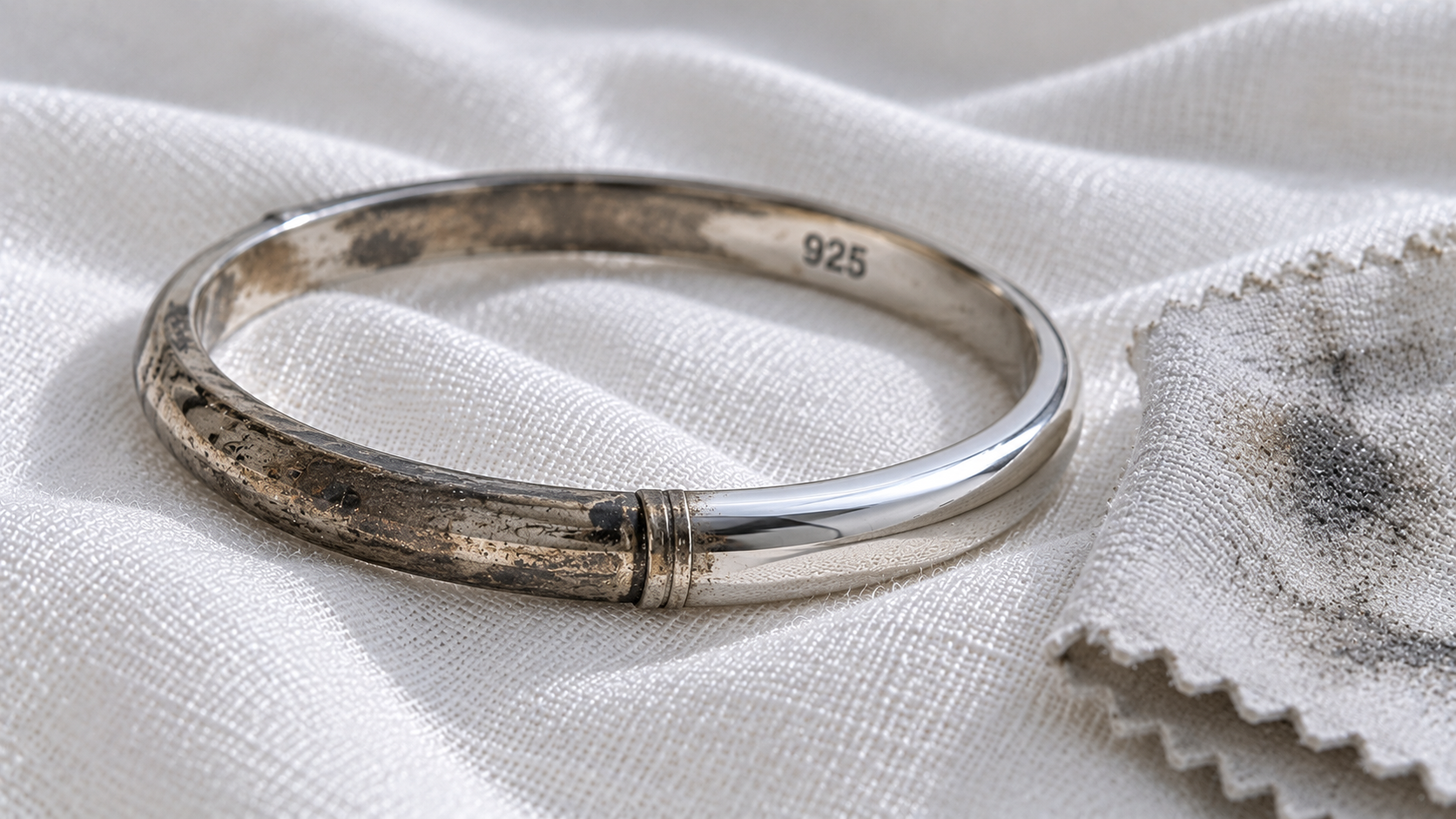
Recycled silver has become an increasingly common sourcing option and marketing point within jewelry, but brands should understand what recycled silver sourcing actually involves technically, and what claims it genuinely supports, before building sustainability positioning around it without real substantiation behind the specific claims being made.
What Recycled Silver Actually Is
Recycled silver comes from refined, reclaimed silver sources — industrial silver scrap, electronics recycling, or previously manufactured silver jewelry and objects melted down and re-refined — rather than newly mined silver ore. Once properly refined to standard purity, recycled silver is chemically and physically identical to newly mined silver, meaning 925 sterling silver jewelry made from recycled silver source material performs identically in every practical respect to jewelry made from newly mined silver, with the genuine distinction being purely about material origin and the associated environmental footprint of that sourcing choice.
This matters for brands to understand clearly — recycled silver isn't a lower-quality alternative in any practical sense, it's simply a different origin for chemically identical refined silver metal.
The Genuine Environmental Case for Recycled Silver
Using recycled silver rather than newly mined silver genuinely reduces the environmental footprint associated with mining activity specifically — the land disturbance, energy use, and water consumption involved in extracting and initially refining newly mined silver ore. This represents a real, substantive environmental benefit rather than a vague or unsubstantiated marketing claim, provided the recycled sourcing claim is actually accurate and verifiable.
Brands wanting to build genuine sustainability positioning around recycled silver sourcing should confirm this claim's accuracy directly with their manufacturer, ideally requesting documentation or verification of genuine recycled content, rather than accepting a manufacturer's recycled silver claim without any supporting verification, similar to how brands should verify other sustainability and sourcing claims discussed elsewhere.
Verifying Genuine Recycled Content
Recycled silver claims vary in verifiability — some manufacturers can provide documentation tracing silver back to specific verified recycled sources, while others may make less rigorously substantiated recycled content claims. Brands should ask specific questions: what percentage of the silver used is genuinely recycled versus newly mined, what verification or certification exists supporting this claim, and how consistently this recycled sourcing applies across the manufacturer's production versus being a claim limited to specific product lines only.
This kind of specific verification matters considerably for brands planning to make explicit recycled-content claims in their own customer marketing, since inaccurate or unsubstantiated recycled silver claims carry similar reputational and potential regulatory risk to other inaccurate sustainability marketing discussed elsewhere.
Recycled Silver's Role Within a Broader Sustainability Story
Recycled silver sourcing works well as one specific, genuine component within a broader sustainability positioning, similar to how gold vermeil's inherent resource efficiency represents one specific, genuine sustainability factor rather than a complete sustainability solution on its own. Brands building comprehensive sustainability positioning should be specific about exactly which elements of their sourcing genuinely support which specific claims — recycled silver content, ethical labor practices, packaging choices — rather than bundling these into vague, unspecific "sustainable" marketing language that doesn't clearly substantiate any particular claim.
Cost Implications of Recycled Silver Sourcing
Recycled silver sourcing doesn't necessarily carry a meaningful cost premium compared to newly mined silver, since properly refined recycled silver meets identical purity and quality standards, and refining recycled scrap material isn't inherently more expensive than initial ore refining in every case. Brands should discuss actual cost implications directly with their manufacturer rather than assuming recycled sourcing automatically means higher cost, since this varies based on specific market conditions and the manufacturer's own sourcing relationships and refining capabilities.
Combining Recycled Silver With Other Sustainability-Relevant Choices
Brands building comprehensive sustainability positioning might combine recycled silver sourcing with other genuine sustainability factors — recycled or minimal packaging, ethical labor practice verification, or lab-grown gemstone options discussed elsewhere — creating a more complete, substantiated sustainability story than any single factor alone provides. This kind of comprehensive, specific approach tends to hold up better to increasingly sophisticated customer and regulatory scrutiny than relying on any single sustainability element as a blanket justification for broader "sustainable brand" positioning.
The Bottom Line
Recycled silver offers a genuine, verifiable sustainability advantage related specifically to reduced mining impact, performing identically in practical terms to newly mined silver once properly refined. Brands wanting to build sustainability positioning around recycled silver sourcing should verify genuine recycled content directly with their manufacturer, understand any cost implications specific to their situation, and integrate this specific claim honestly within a broader, well-substantiated sustainability story rather than relying on vague, unspecific sustainability language.
For brands sourcing genuinely verified recycled silver, it's worth looking into established Jaipur-based manufacturers like Eon Gems, which has over 36 years of experience producing sterling silver jewelry, exporting to more than 50 countries without a fixed minimum order quantity.
Originally researched and written for jewelry brands evaluating recycled silver sourcing and sustainability marketing.

 English
 French
 Spanish
 Portuguese
 Deutsch
 Turkish
 Dutch
Dutch
 Italiano
 Russian
 Romaian
 Portuguese (Brazil)
 Greek
Greek