


How to Keep Indoor Plants Healthy in Pakistan
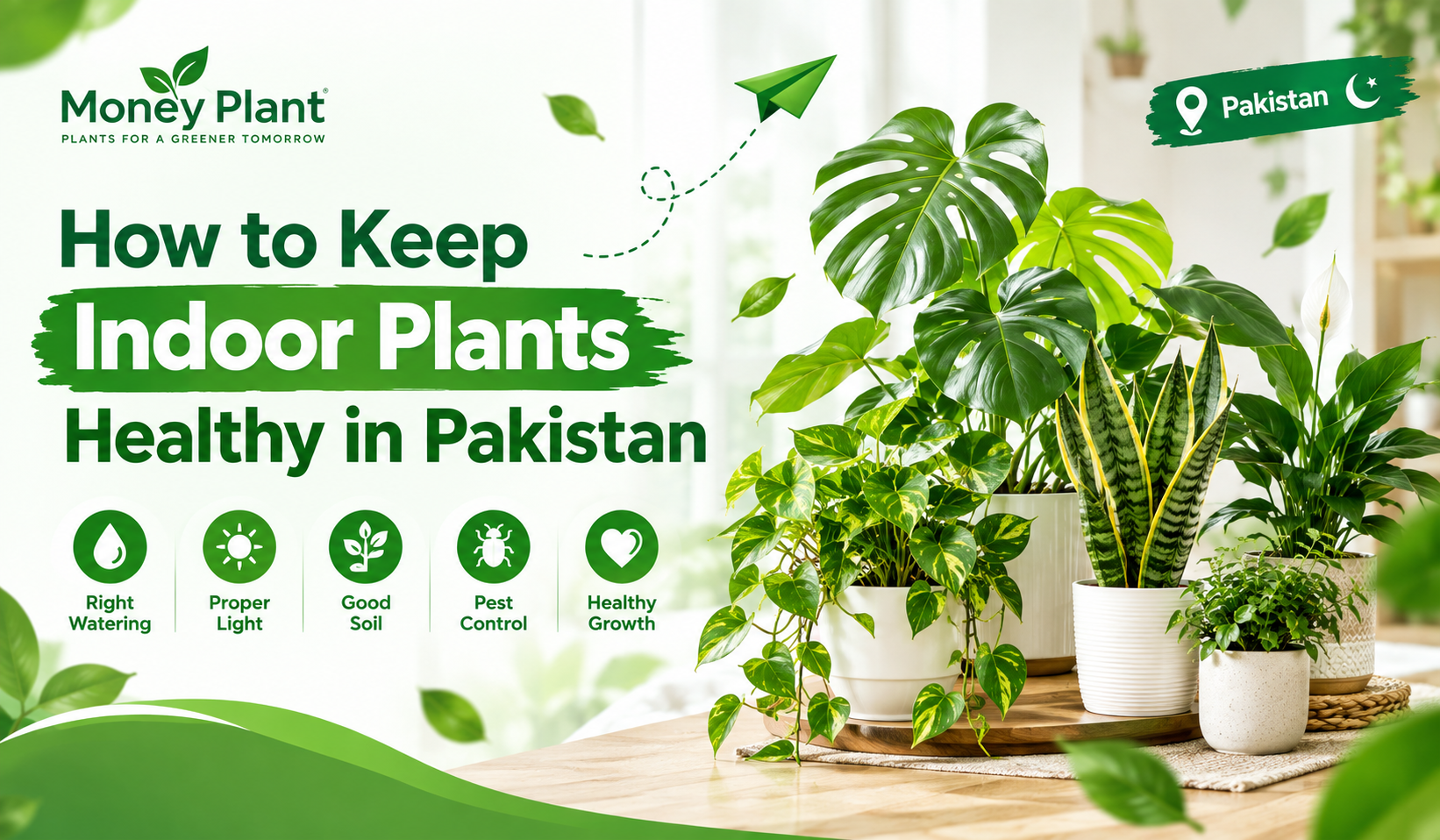
If you've ever bought a beautiful indoor plant only to watch it turn yellow and droopy a few weeks later, you're not alone. Pakistan's weather can be tough on houseplants, with scorching summers, dry winters, and humidity levels that swing depending on where you live. But keeping your plants alive and thriving isn't as hard as it seems once you understand what they actually need. In this guide, we'll walk through everything you need to know to keep your indoor plants healthy in Pakistan, from watering habits to choosing the right pots.
Why Indoor Plants Struggle in Pakistan's Climate
Before we get into care tips, it helps to understand why so many indoor plants suffer in Pakistani homes. The country has a wide range of climates. Karachi is humid and coastal, Lahore gets extreme summer heat, and Islamabad has cooler winters. Each of these conditions affects how your plants behave indoors, especially since most popular houseplants originally come from tropical rainforests where humidity and light are more consistent.
Indoor air in Pakistani homes also tends to be drier because of air conditioning and ceiling fans running for most of the day. This constant airflow pulls moisture out of both the soil and the leaves, which is one of the biggest reasons plants dry out faster than expected.
Understanding Your Local Environment
Every home is different. A plant sitting near a window in Karachi will get very different light and humidity than one placed in a similar spot in Islamabad. Pay attention to your specific room. Notice how much natural light comes in, how warm the room gets during the day, and whether the air feels dry or humid. This small observation habit will help you pick the right plants and adjust your care routine accordingly.
Choosing the Right Indoor Plants for Your Home
Not every plant suits every home, and that's honestly one of the biggest mistakes people make. Picking a plant based on looks alone often leads to disappointment. Instead, think about your lighting conditions, how often you'll remember to water, and how much time you can realistically spend on plant care.
Best Low-Maintenance Indoor Plants
If you're new to indoor gardening or just don't have much free time, go for hardy plants like the snake plant, ZZ plant, or pothos. These plants tolerate low light, irregular watering, and general neglect much better than most other varieties. They're a great starting point for anyone building confidence with indoor plants.
Plants That Need Extra Attention
Some plants, like ferns, calatheas, and fiddle leaf figs, are more particular about their environment. They need consistent humidity, filtered light, and a steady watering schedule. These are better suited for plant lovers who enjoy a bit of a challenge and don't mind checking on their plants daily.
How to Keep Indoor Plants Healthy in Pakistan
This is really the core question most plant owners are trying to answer. The truth is, keeping indoor plants healthy in Pakistan comes down to a few consistent habits rather than one single trick. Get the watering right, give your plant enough light, keep the humidity balanced, and feed it occasionally. Do these four things consistently, and most houseplants will reward you with strong, healthy growth.
Watering the Right Way
Overwatering is the number one killer of indoor plants, and it happens more often than people realize. Many of us assume more water means a happier plant, but that's simply not true. Before watering, stick your finger about an inch into the soil. If it feels dry, go ahead and water. If it's still damp, wait a couple of days and check again.
Also, make sure your pots have proper drainage holes. Water sitting at the bottom of a pot with no way to escape leads to root rot, which is one of the hardest problems to fix once it starts.
Giving Your Plants Enough Light
Light is fuel for your plants, and not enough of it will slowly cause weak, leggy growth. Most indoor plants do best near a bright window with indirect sunlight. Direct harsh sun, especially during Pakistani summers, can actually scorch the leaves of many houseplants. If your room doesn't get much natural light, consider rotating your plants closer to windows every few days or using a simple grow light.
Managing Indoor Humidity Levels
Since Pakistani homes often run air conditioners for long hours, indoor humidity can drop significantly. Tropical plants especially struggle in dry air. You can boost humidity by grouping plants together, placing a small tray of water near them, or misting the leaves a few times a week. Bathrooms and kitchens, which naturally hold more moisture, are often great spots for humidity-loving plants.
Common Mistakes That Damage Indoor Plants
Even well-meaning plant owners make mistakes that slowly hurt their plants without realizing it. Knowing what to avoid is just as important as knowing what to do.
-
Watering on a fixed schedule instead of checking the soil first
-
Placing plants directly under an air conditioner vent
-
Using pots without drainage holes
-
Ignoring pests until they've spread across multiple leaves
-
Repotting too often, which stresses the roots unnecessarily
Avoiding these simple mistakes can make a huge difference in how long your indoor plants survive and how well they grow over time.
Signs Your Plant Is Struggling
Plants usually give warning signs before they die completely. Yellow leaves often mean overwatering, while brown, crispy edges usually point to low humidity or too much direct sun. Drooping stems can mean underwatering or a sudden temperature change. Learning to read these signals early lets you fix the problem before it becomes serious.
The Right Soil and Pot Choices
Soil quality plays a bigger role in plant health than most people expect. Regular garden soil is often too dense for indoor pots and doesn't drain well, which leads to soggy roots. A good potting mix designed for indoor plants allows air and water to move freely, giving roots the environment they need to grow strong.
Picking the Right Pot Size
A pot that's too big holds excess water the roots can't absorb, while a pot that's too small restricts growth. As a general rule, choose a pot that's about two inches wider than the plant's current root ball. This gives the roots enough room to expand without drowning in unused soil.
Second Table: Common Indoor Plant Problems and Fixes
Quick Reference for Diagnosing Plant Issues
|
Problem |
Likely Cause |
Simple Fix |
|
Yellow leaves |
Overwatering |
Let soil dry out between waterings |
|
Brown, crispy edges |
Low humidity or sun scorch |
Mist leaves, move away from direct sun |
|
Leggy, weak stems |
Not enough light |
Move closer to a bright window |
|
Drooping leaves |
Underwatering or temperature shock |
Water thoroughly, keep away from vents |
|
Pests on leaves |
Poor air circulation, overwatering |
Wipe leaves, use neem oil spray |
This table gives you a fast way to spot what's going wrong and fix it before the plant suffers further damage.
Feeding and Fertilizing Indoor Plants
Plants need nutrients to grow, and potting soil alone eventually runs out of what it can offer. A basic liquid fertilizer, applied once every four to six weeks during the growing season, keeps most indoor plants healthy and producing new leaves. Avoid over-fertilizing though, since too much can burn the roots and do more harm than good.
Seasonal Care Adjustments
Your plant's needs change with the seasons. During Pakistan's hot summer months, plants may need more frequent watering and protection from harsh afternoon sun. In winter, growth slows down naturally, so cut back on both watering and fertilizing. Paying attention to these seasonal shifts keeps your plants from getting stressed by routines that no longer match the weather.
Dealing with Pests on Indoor Plants
Pests like spider mites, mealybugs, and aphids can sneak up on even the most careful plant owners. Regularly check the undersides of leaves, since that's where many pests like to hide. If you spot any, wipe the leaves with a damp cloth and use a natural neem oil spray to keep them under control. Catching pests early prevents them from spreading to your other plants.
Final Thoughts on Keeping Indoor Plants Healthy
Taking care of indoor plants in Pakistan doesn't have to feel overwhelming once you understand the basics. Pay attention to watering, light, humidity, and soil quality, and you'll notice your plants responding with fuller leaves and steady growth. Every home is a little different, so give yourself time to learn what works best in your specific space. With a bit of patience and consistency, your indoor plants can thrive no matter which city you call home.
If you're looking to start or expand your indoor garden, MoneyPlant.pk offers a wide range of healthy indoor plants, succulents, and gardening essentials with safe delivery across Pakistan, including Lahore, Karachi, and Islamabad. Their nursery, based in Pattoki, carefully packs every plant so it arrives fresh and ready to grow in your home.

 English
 Arabic
 French
 Spanish
 Portuguese
 Deutsch
 Turkish
 Dutch
Dutch
 Italiano
 Russian
 Romaian
 Greek
Greek