


Caring for Your Premium Leather Jacket: An Aussie Guide
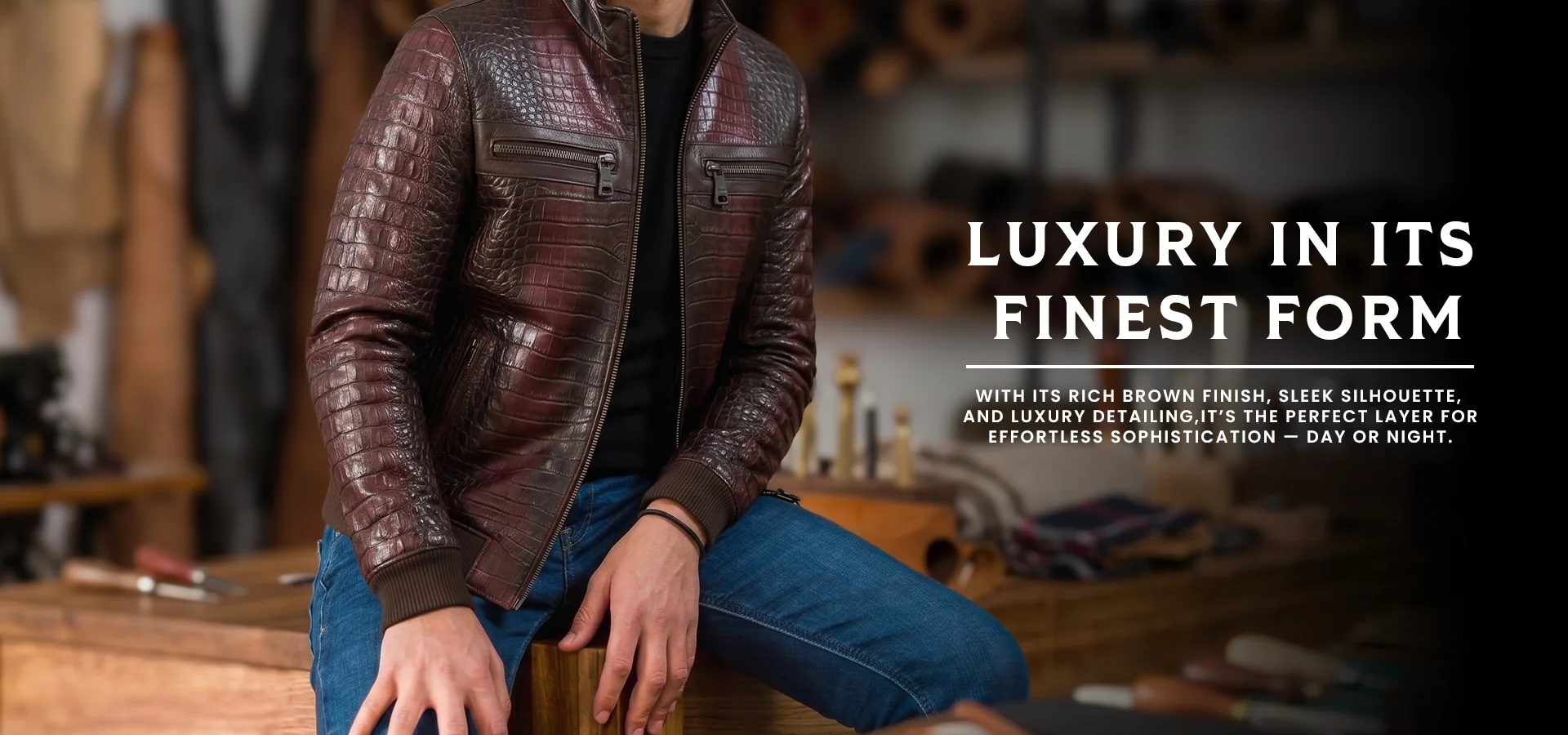
A leather jacket is one of the few items of clothing that genuinely rewards attention over time. Cared for properly, the hide softens, deepens in colour and develops a character that no brand new jacket can match. Neglected, that same jacket can dry out, crack and lose its shape within a couple of years, regardless of how much it originally cost. The difference between these two outcomes usually comes down to a handful of simple habits rather than any complicated routine.
Australian conditions add a few specific considerations into the mix, from harsh summer sun to sudden downpours and the salty air common along much of the coastline. Understanding how to look after men's premium leather jackets in this environment makes a real difference to how long they last and how good they continue to look. This guide covers the essentials, from everyday habits through to dealing with the occasional mishap.
Understanding What Leather Actually Needs
Leather is, at its core, a natural material that once formed part of a living animal, and it behaves accordingly. It contains natural oils that keep it supple, and those oils gradually deplete over time through exposure to air, sunlight, and general wear. Once a hide dries out too much, it becomes stiff, prone to cracking along stress points such as the elbows and cuffs, and difficult to restore fully even with conditioning products.
The goal of any care routine is essentially to slow this natural drying process and replace lost moisture before it becomes a visible problem. This is a very different goal from treating a synthetic fabric, which does not have the same biological need for conditioning, and it is why leather-specific products matter rather than generic fabric cleaners.
Everyday Habits That Make a Difference
Simple daily habits go a surprisingly long way in extending the life of a leather jacket. Hanging it on a solid, broad-shouldered hanger rather than a wire one helps it maintain its shape, particularly around the shoulders where structure matters most. Folding a leather jacket for extended periods, especially in a cramped drawer or suitcase, tends to create creases that can become permanent over time.
Keeping the jacket out of prolonged direct sunlight is equally important, given how intense UV exposure can be across much of Australia. Sunlight accelerates the drying process and can cause visible fading, particularly on darker leathers. A wardrobe or cupboard out of direct light is a far better long-term home for the jacket than a hook near a sunny window.
It is also worth being mindful of what the jacket rubs against during everyday wear. A backpack worn over both shoulders, for instance, can gradually wear down the leather across the shoulder blades if worn regularly over an extended period. This is not a reason to avoid wearing the jacket as intended, but simply something to be aware of if you notice early signs of thinning in a particular spot.
Conditioning and Cleaning
A quality leather conditioner, applied every few months depending on how often the jacket is worn, replenishes the natural oils lost through everyday use. Applying a small amount to a soft cloth and working it gently into the leather, rather than pouring product directly onto the jacket, gives a more even result and avoids oversaturating any one area. After conditioning, allowing the jacket to sit for a short period before wearing it lets the product absorb properly.
For general cleaning, a soft, slightly damp cloth is usually sufficient to remove surface dust and light marks. Harsh household cleaning products should be avoided entirely, since they can strip the leather's natural finish and cause discolouration. If a stain does not lift with a gentle wipe, it is generally safer to seek professional cleaning from someone experienced specifically with leather garments rather than attempting a stronger treatment at home.
This is one of the reasons experienced buyers of leather jackets for men tend to ask about the tanning and finishing process before purchasing, since it directly affects how the hide responds to conditioning and cleaning down the track. A well-finished jacket generally tolerates gentle care far better than a poorly finished one, making this small bit of research worthwhile before you even bring the jacket home.
Dealing with Rain and Humidity
Australia's weather can turn quickly, and a leather jacket caught in an unexpected downpour is a common scenario. The key response is patience. Letting the jacket air dry naturally, away from direct heat sources such as heaters, hairdryers, or direct sunlight, prevents the leather from drying too quickly and becoming brittle. Stuffing the jacket loosely with clean paper or a towel while it dries can also help it maintain its shape as the leather dries out.
Humidity presents a different challenge, particularly in tropical parts of Queensland and the Northern Territory. High humidity can encourage mould or mildew on leather that is stored in a poorly ventilated space. Ensuring some airflow around stored jackets, rather than sealing them tightly in plastic covers, helps reduce this risk considerably.
If mould does appear, a soft brush and a small amount of diluted leather cleaner, worked gently into the affected area, usually resolves early-stage growth. Leaving it untreated for too long, however, can allow it to embed deeper into the hide, at which point a professional repairer is generally the better option rather than risking further damage with home remedies.
Storing Your Jacket Between Seasons
For men who only wear their jacket during cooler months, proper off-season storage matters just as much as everyday care. A breathable garment bag, rather than an airtight plastic cover, allows the leather to continue breathing while still protecting it from dust. Storing the jacket somewhere with stable temperature and humidity, rather than a garage or shed prone to extremes, helps prevent the leather from drying out or becoming damp over an extended storage period.
When to Seek Professional Help
Some issues are best left to professionals rather than attempted as a DIY fix. Deep scratches, significant colour fading, or structural damage to seams and linings generally benefit from a specialist leather repairer rather than a generic tailor or dry cleaner. Catching these issues early, rather than letting them worsen, usually results in a more successful and less costly repair.
A torn lining is a common example of an issue that seems minor but tends to worsen quickly if ignored, since the loose fabric can catch and tear further with regular use. Having it repaired promptly, rather than continuing to wear the jacket as is, protects both the lining and the leather shell from additional stress in that area.
Common Mistakes to Avoid
A handful of habits cause more harm to leather jackets than most people realise. Storing a jacket in a tightly packed wardrobe, where it is constantly squashed against other garments, can distort its shape over time and create permanent creasing in the shoulders and sleeves. Using generic waterproofing sprays not specifically designed for leather is another common misstep, as these products can leave a residue that changes the texture and colour of the hide.
Ironing a leather jacket, even on a low setting, is another mistake worth avoiding entirely, since direct heat can scorch or warp the leather in ways that are extremely difficult to reverse. If a jacket looks creased after storage, gently steaming it from a short distance is a far safer option, and even then, testing on an inconspicuous area first is a sensible precaution.
Final Thoughts
Looking after a leather jacket does not require an elaborate routine, just a bit of consistency and an understanding of what the material actually needs. Storing it properly, conditioning it periodically, and responding sensibly to rain or humidity will keep it looking and performing well for years. Valian & Villain's men's leather jackets are built with genuine hides that respond particularly well to this kind of care, rewarding a little ongoing attention with a jacket that only gets better with age.

 English
 Arabic
 French
 Spanish
 Portuguese
 Deutsch
 Turkish
 Dutch
Dutch
 Italiano
 Russian
 Portuguese (Brazil)
 Greek
Greek