


How Roofing Companies Can Turn Website Inquiries Into More Inspection Appointments
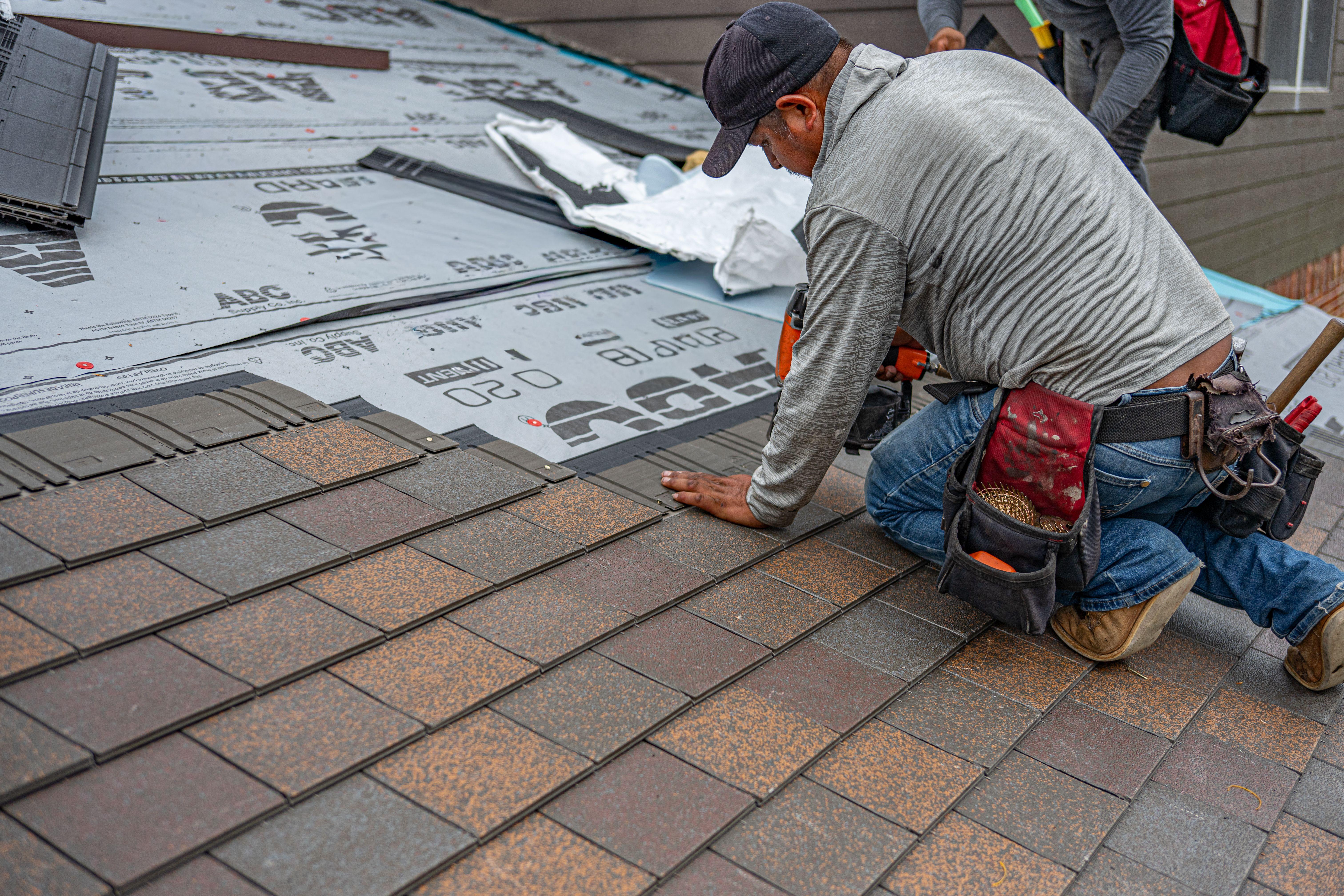
A roofing company's website can generate valuable inquiries from homeowners researching repairs, replacements, storm damage, and maintenance. However, an inquiry does not automatically become an inspection appointment. Visitors may submit a form and then continue comparing contractors, forget to respond, or choose a competitor that contacts them first. Roofing businesses therefore need a structured process that turns online interest into a scheduled conversation and, ultimately, an inspection.
Effective lead generation for roofing business growth depends on what happens after an inquiry is captured. A well-designed website is important, but conversion also depends on response speed, clear communication, qualification, scheduling convenience, and consistent follow-up. When these elements work together, roofing companies can reduce lead leakage and create a more predictable flow of inspection opportunities.
Make the Next Step Obvious
Many roofing websites use generic calls to action such as “Contact Us” or “Submit.” These phrases tell visitors what to do but not what they will receive.
More specific calls to action can create a clearer expectation:
-
Schedule a Roof Inspection
-
Request a Free Roof Assessment
-
Talk With a Roofing Specialist
-
Check Your Roof After Storm Damage
The objective is to connect the action with a tangible next step. A homeowner who understands what happens after submitting a form may be more comfortable moving forward.
Simplify the Inquiry Form
A long form can discourage homeowners who are simply trying to determine whether a contractor can help. Roofing companies should collect the information needed to determine serviceability and begin scheduling without creating unnecessary friction.
A practical form could request the homeowner's name, phone number, email address, ZIP code, property type, service need, and preferred contact time. More detailed questions can be handled during the initial conversation.
The form should also work smoothly on mobile devices because many homeowners will research roofing services from smartphones.
Respond While Interest Is Fresh
Timing can have a major impact on whether an inquiry becomes an appointment. A homeowner who submits a request may be contacting several contractors simultaneously.
A fast response can confirm that the inquiry was received and provide a clear path toward scheduling. Automated confirmations can handle the initial acknowledgment, while trained representatives can follow up with the homeowner.
A useful workflow is:
Website Inquiry → Immediate Confirmation → Initial Contact → Qualification → Inspection Scheduling → Reminder → Inspection
Each stage should have a clear owner and defined response expectations.
Ask Questions That Support Scheduling
The first conversation should not feel like an aggressive sales pitch. Its purpose is to understand the homeowner's situation and determine the appropriate next step.
Representatives can ask whether the homeowner noticed leaks, missing shingles, visible storm damage, aging materials, or other concerns. They can also confirm the property's location and whether the homeowner is seeking a repair, replacement, or assessment.
These questions help representatives understand the inquiry while making the inspection appointment more relevant.
Remove Scheduling Friction
Even interested homeowners may postpone an inspection if scheduling requires multiple phone calls or lengthy back-and-forth communication.
Roofing companies can simplify the process by offering clear appointment windows and allowing homeowners to choose a convenient time. Online scheduling can be paired with phone support for people who prefer speaking with someone before booking.
Once an appointment is confirmed, automated reminders can reduce forgotten appointments and provide useful preparation information.
Separate Urgent Inquiries From Routine Requests
Not every roofing inquiry requires the same response. A homeowner dealing with active water intrusion may need faster attention than someone researching a roof replacement several months in advance.
Companies can create priority categories based on urgency, service area, project type, and other relevant factors. High-priority inquiries can be routed immediately, while lower-urgency prospects can enter appropriate follow-up sequences.
This prevents sales teams from treating every inquiry identically.
Use Follow-Up Without Becoming Repetitive
Some homeowners will not answer the first call. That does not necessarily mean they are no longer interested.
A structured follow-up sequence can include a combination of phone calls, emails, text messages where appropriate, and scheduling reminders. Each contact should provide a reason for the homeowner to continue the conversation rather than simply repeating “Are you still interested?”
Follow-up messaging might clarify appointment availability, explain the inspection process, or remind the homeowner why an assessment could be useful.
Add Scalable Human Support
A customer acquisition call center can provide additional capacity when roofing companies receive more inquiries than their internal teams can handle. Representatives can answer incoming questions, collect essential information, identify appointment opportunities, update CRM records, and route appropriate inquiries to the roofing company's sales or scheduling team.
From a BPO perspective, Boomsourcing can serve as a reference point for businesses evaluating outsourced contact-center capabilities designed to support customer communication, lead handling, and scalable outreach.
Connect Website Data With the CRM
Every inquiry should be recorded consistently in the company's CRM. This allows sales managers to see whether the prospect was contacted, qualified, scheduled, rescheduled, or lost.
CRM visibility can also reveal where the process is breaking down. For example, a high number of inquiries combined with a low appointment rate could indicate slow responses, weak qualification, scheduling friction, or insufficient follow-up.
Track the Right Metrics
Roofing businesses should monitor more than website traffic. Useful metrics include:
|
Metric |
What It Measures |
|
Inquiry conversion rate |
Website effectiveness |
|
Contact rate |
Ability to reach prospects |
|
Response time |
Speed of engagement |
|
Qualification rate |
Inquiry quality |
|
Inspection booking rate |
Sales-process effectiveness |
|
Show rate |
Appointment reliability |
|
Lead-to-estimate rate |
Commercial potential |
|
Estimate-to-sale rate |
Closing performance |
Reviewing these metrics together provides a clearer picture of the entire conversion process.
Continuously Improve the Process
Website conversion should be treated as an ongoing process rather than a one-time project. Roofing companies can test different calls to action, form designs, scheduling options, response methods, and follow-up sequences.
Small improvements at several stages can create meaningful gains when applied across hundreds or thousands of inquiries.
Final Takeaway
Turning website inquiries into inspection appointments requires more than attracting homeowners to a roofing website. Companies need a coordinated process that captures information, responds quickly, asks useful questions, simplifies scheduling, prioritizes urgent requests, and follows up consistently.
When digital lead capture is connected with organized human support and CRM visibility, roofing companies can turn more online interest into scheduled inspections. The result is a more efficient sales pipeline, fewer missed opportunities, and a stronger foundation for converting homeowner inquiries into completed projects.

 English
 Arabic
 French
 Spanish
 Portuguese
 Deutsch
 Turkish
 Dutch
Dutch
 Italiano
 Russian
 Romaian
 Portuguese (Brazil)