


How is Laser Tattoo Removal Treatment performed?
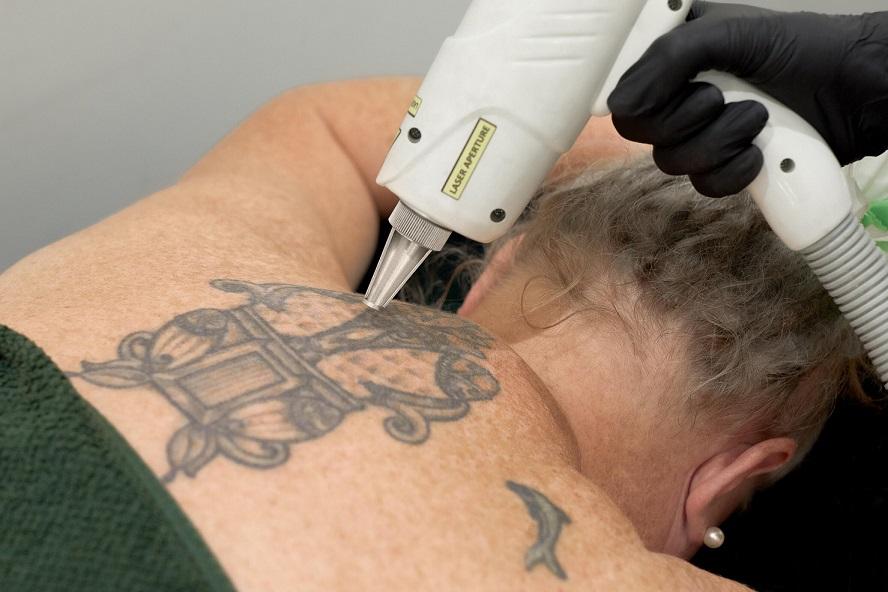
Laser Tattoo Removal Treatment is performed by using focused laser energy to break tattoo ink into smaller particles beneath the skin. The body gradually clears these particles through its natural processes, causing the tattoo to fade over time. The treatment is generally non-surgical and does not require the tattooed skin to be cut out. People considering إزالة الوشم بالليزر في دبي should consult a qualified professional to understand the procedure, expected results, possible risks, and number of sessions required.
Initial Consultation And Tattoo Assessment:
The first step is a detailed consultation. The healthcare professional examines the tattoo and reviews the patient’s skin type, medical history, allergies, previous tattoo removal treatments, and healing history.
The tattoo is assessed according to several characteristics, including:
- Ink colour
- Tattoo size
- Ink depth
- Tattoo age
- Body location
- Ink composition
- Previous treatment attempts
- Skin tone and sensitivity
These factors help determine which laser technology and settings may be appropriate. Black and dark-blue pigments may respond differently from green, red, yellow, or cosmetic tattoo pigments. A test spot may be recommended to observe how the skin reacts before treating the complete tattoo.
Preparing The Treatment Area:
Before the laser is applied, the treatment area is cleaned and prepared. The skin should be free from active infection, open wounds, severe irritation, or sunburn. If the area is damaged or inflamed, treatment may need to be postponed until the skin has recovered.
Both the patient and the professional should use appropriate protective eyewear. Laser energy can harm the eyes, so eye protection is an essential part of the procedure.
Depending on the tattoo’s size, location, and the patient’s sensitivity, the professional may use a cooling device, cold air, or a topical numbing cream to improve comfort.
Selecting The Laser Settings:
The laser type and settings are selected according to the tattoo and the patient’s skin. Different wavelengths may be required to target different colours of ink.
The professional considers the pigment depth, tattoo density, skin tone, and previous response to treatment. The aim is to deliver enough energy to fragment the ink while reducing unnecessary injury to the surrounding skin.
Patients with darker skin may require additional precautions because of the increased risk of temporary or lasting pigmentation changes. A cautious treatment plan and suitable settings can help reduce avoidable complications.
Applying Controlled Laser Pulses:
During the treatment, the professional places the laser handpiece over the tattoo and delivers short pulses of energy. The tattoo pigment absorbs the laser energy, causing the ink particles to break into smaller fragments.
The surrounding skin is treated carefully, although some temporary skin reactions may occur. Patients may feel snapping, stinging, warmth, or a rubber-band-like sensation during the session.
The duration depends on the tattoo’s size, location, colour, and complexity. A small tattoo may be treated quickly, while a larger or multicoloured tattoo may require more time.
Cooling And Skin Protection:
Cooling may be used during or after the laser session to reduce discomfort and calm the treated skin. The area may appear red, swollen, or sensitive immediately after treatment.
Some patients may develop small blisters, pinpoint bleeding, crusting, or temporary changes in skin colour. These effects can occur as the skin responds to the laser. The professional should explain which reactions are expected and which symptoms require medical attention.
Patients should not pick, scratch, or remove crusts because this may increase the risk of infection, scarring, and pigmentation changes.
What Happens After The Laser Session?
After treatment, the professional provides aftercare instructions. These may include keeping the area clean, protecting it from friction, and using a recommended dressing or cream.
Patients should avoid direct sun exposure and follow advice about sunscreen once the skin has healed sufficiently. Strong exfoliants, retinoids, fragranced products, and other irritating skincare products may need to be avoided temporarily.
The treated area should be monitored for increasing pain, spreading redness, discharge, severe swelling, or other unusual symptoms. These signs may indicate infection or another complication and should be reported promptly.
How Does The Tattoo Fade?
Laser treatment does not usually remove the tattoo immediately. Instead, it fragments the ink, and the body gradually clears the smaller particles.
The tattoo may become lighter over several weeks following each session. A series of treatments is commonly required because the skin needs time to heal and the body needs time to remove the fragmented pigment.
The number of sessions depends on the tattoo’s colour, depth, size, age, location, ink composition, and individual healing response. Complete removal is not guaranteed. Some tattoos may leave faint pigment, ghosting, or changes in skin texture or colour.
Is Laser Tattoo Removal Suitable For Everyone?
Laser tattoo removal may be suitable for many people, but it is not appropriate for every tattoo or skin condition. Additional assessment may be needed for people with darker skin tones, a history of keloid scarring, active skin disorders, poor wound healing, or previous reactions to laser treatment.
Patients should tell the professional about medications, allergies, pregnancy, recent tanning, and medical conditions that may affect healing or skin sensitivity. Treatment may be modified or delayed when necessary.
Frequently Asked Questions:
Is Laser Tattoo Removal Treatment surgical?
No. It is generally a non-surgical treatment that uses laser energy without cutting out the tattooed skin or requiring stitches.
How long does one session take?
The session length depends on the tattoo’s size, colour, location, and complexity. Small tattoos usually require less time than large or multicoloured tattoos.
How many sessions are needed?
Several sessions may be required. The professional can provide a more realistic estimate after examining the tattoo.
Is laser tattoo removal painful?
Some patients experience snapping, stinging, warmth, or brief discomfort. Cooling and suitable numbing methods may help improve comfort.
Can every tattoo be removed completely?
No. Some tattoos respond well, while others may only fade partially. Results depend on the ink, tattoo characteristics, skin type, and individual response.
Conclusion:
Laser Tattoo Removal Treatment is performed by delivering controlled laser pulses into the tattooed skin to fragment the ink. The area is assessed and prepared before treatment, protective eyewear is used, and cooling may be provided for comfort. After the session, the body gradually clears the fragmented pigment, so multiple treatments may be necessary. Professional assessment, suitable laser settings, and careful aftercare help reduce risks and support the best possible outcome.

 English
 French
 Spanish
 Portuguese
 Deutsch
 Turkish
 Dutch
Dutch
 Italiano
 Russian
 Romaian
 Portuguese (Brazil)
 Greek
Greek